The Black-winged Ground Dove: A Resilient Avian Gem of the Andes
The Black-winged Ground Dove, scientifically known as Metriopelia melanoptera, is a captivating avian species that enchants bird enthusiasts and ornithologists alike. Found primarily in the high-altitude regions of the Andes, this dove is a testament to nature’s adaptability and resilience. Its distinctive appearance and intriguing behaviors make it a subject of interest for those dedicated to understanding the intricate tapestry of life within the diverse ecosystems of South America.
Taxonomy and Physical Description
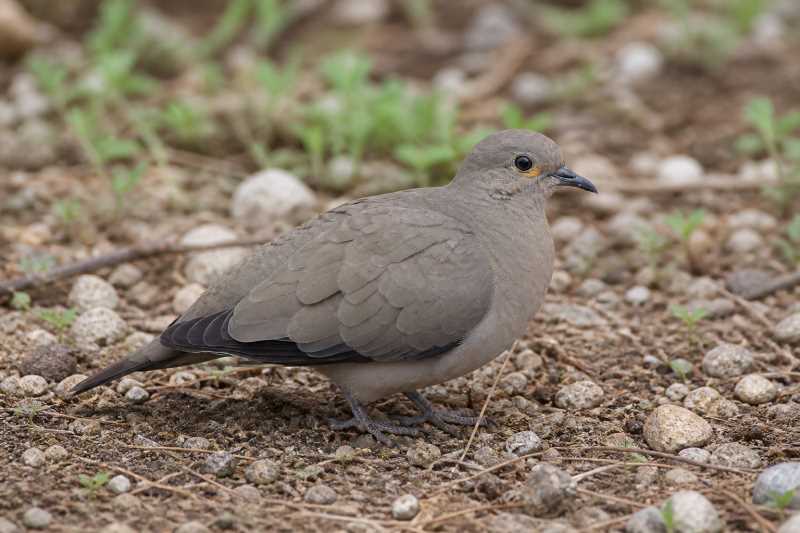
The Black-winged Ground Dove belongs to the Columbidae family, a diverse group known for their characteristic cooing calls and varied habitat preferences. It is one of the four species within the genus Metriopelia. Measuring approximately 18 to 22 centimeters in length, this dove is easily identified by its unique plumage. As its name suggests, the Black-winged Ground Dove features striking black patches on its wings, which contrast beautifully with its otherwise soft grey and brown body. Its underparts are a delicate pinkish hue, adding to its visual appeal.
The dove’s eyes are encircled by a subtle white ring, and its legs are a muted pink. This combination of colors not only aids in camouflage within its natural habitat but also provides a visual treat for those fortunate enough to observe it in the wild.
Habitat and Distribution
The Black-winged Ground Dove is primarily found in the Andean regions, stretching across countries such as Peru, Bolivia, Argentina, and Chile. It thrives in open, arid environments, including rocky slopes, grasslands, and shrubby areas at elevations ranging from 2,000 to 4,500 meters. This preference for high-altitude habitats is indicative of its remarkable adaptability to harsh climatic conditions and scarce resources.
The bird’s distribution is closely tied to the availability of food sources and nesting sites. In some areas, it may also be found in agricultural lands, where it opportunistically forages for seeds and grains. Seasonal movements are occasionally observed, influenced by changes in food availability and climatic conditions.
Behavior and Ecology
The Black-winged Ground Dove is predominantly ground-dwelling, as its name suggests. It exhibits a preference for foraging on the ground, where it searches for seeds, grains, and small insects. With a keen eye for detail and a cautious demeanor, it skillfully navigates its environment, often seen in small groups or pairs.
Breeding season varies depending on geographical location, but generally occurs during the warmer months when food is more abundant. The species is monogamous, with males performing elaborate courtship displays to attract females. These displays include a series of coos and physical posturing that highlight the male’s plumage.
Nests are typically constructed in low shrubs or directly on the ground, using twigs, grass, and leaves. The female lays one to two eggs, which are incubated by both parents. This shared parental responsibility is crucial for the survival of the offspring, as it ensures continuous protection and feeding.
Conservation Status and Threats
Currently, the Black-winged Ground Dove is classified as a species of Least Concern by the International Union for Conservation of Nature (IUCN). This status is largely attributed to its wide distribution and stable population trends. However, like many species, it faces potential threats from habitat destruction, climate change, and human encroachment.
Agricultural expansion and land conversion for urban development pose significant risks to its natural habitat. Additionally, climate change may alter the availability of resources and suitable nesting sites, potentially impacting its population dynamics. Conservation efforts aimed at preserving high-altitude ecosystems and promoting sustainable land-use practices are essential for ensuring the long-term survival of this species.
The Importance of the Black-winged Ground Dove
Beyond its ecological role as a seed disperser and part of the food web, the Black-winged Ground Dove represents the unique biodiversity of the Andean region. It serves as a reminder of the intricate connections between species and their environments, highlighting the need for comprehensive conservation strategies that account for both individual species and their habitats.
For birdwatchers and researchers, this dove offers a glimpse into the fascinating world of high-altitude avian life. Its presence enriches the biodiversity of the Andes and provides opportunities for ecological studies that contribute to our understanding of adaptation and survival in extreme environments.
In conclusion, the Black-winged Ground Dove stands as a symbol of resilience and beauty within the Andean ecosystem. Protecting its habitat and ensuring its continued existence are crucial steps in preserving the natural heritage of this remarkable region.
Related posts