The Black Turnstone: A Resilient Shorebird of the Pacific Coast
The Black Turnstone (Arenaria melanocephala) is a remarkable and resilient shorebird species that captures the attention of ornithologists and bird enthusiasts alike. Known for its striking plumage and dynamic foraging behavior, the Black Turnstone inhabits the rugged coastal regions of the Pacific, from Alaska to Baja California. This article delves into the unique characteristics, habitat preferences, and conservation status of the Black Turnstone, highlighting its significance in the avian world.
Physical Characteristics
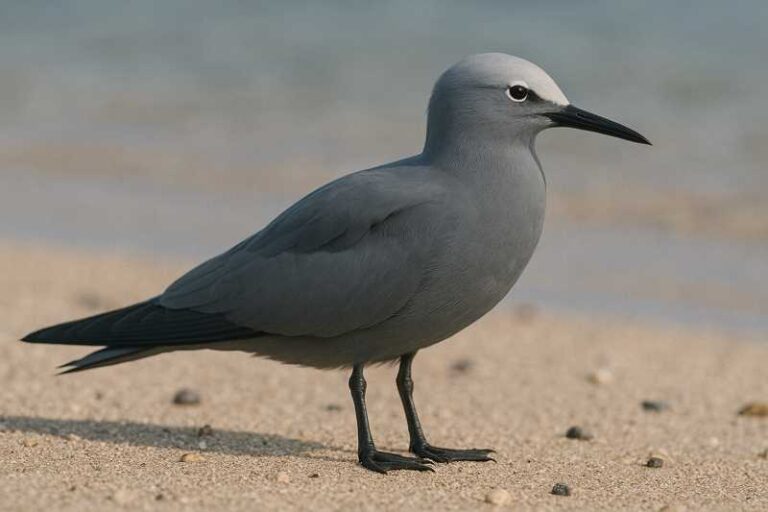
The Black Turnstone is a medium-sized shorebird measuring about 22-25 cm (8.5-10 inches) in length, with a wingspan of approximately 50 cm (20 inches). True to its name, the Black Turnstone exhibits predominantly black and dark brown plumage, which provides excellent camouflage against the rocky coastal environments it frequents. Its striking white underbelly contrasts sharply with its darker upperparts, while its legs and bill are black, enhancing its stealthy appearance. During the breeding season, the Black Turnstone’s plumage becomes more vibrant, with a distinctive white eye-stripe and pronounced wing patterns that aid in attracting mates.
Habitat and Distribution
The Black Turnstone is primarily found along the Pacific Coast of North America. Its breeding range is concentrated in coastal Alaska, particularly on gravelly riverbanks and rocky islets where it nests. During the non-breeding season, the Black Turnstone migrates southward, reaching as far as Baja California. Its preferred habitats include rocky shorelines, mudflats, and wave-swept beaches where it can easily forage for food.
Feeding Habits
One of the most fascinating aspects of the Black Turnstone is its feeding behavior. As its name suggests, the Black Turnstone is known for its habit of flipping over stones, shells, and seaweed to uncover hidden prey. Its diet primarily consists of insects, crustaceans, mollusks, and other small invertebrates. The bird’s strong, chisel-like bill is perfectly adapted for prying open shells and digging into the substrate, a skill that is particularly vital during the winter months when food is scarce.
Breeding and Nesting
The breeding season for Black Turnstones begins in late May and extends through July. During this period, males engage in elaborate courtship displays to attract females. Nests are typically simple scrapes lined with grasses and leaves, strategically located to blend in with the surrounding environment. Females lay an average of three to four eggs, which both parents incubate for about three weeks. After hatching, chicks are precocial, meaning they are relatively mature and mobile shortly after birth, allowing them to quickly follow their parents to foraging sites.
Conservation Status
Currently, the Black Turnstone is listed as a species of Least Concern by the International Union for Conservation of Nature (IUCN). However, like many shorebirds, it faces several threats, including habitat loss due to coastal development, oil spills, and climate change-induced sea-level rise. Conservation efforts are essential to monitor population trends and ensure the preservation of essential breeding and foraging habitats.
Importance in Ecosystem
The Black Turnstone plays a crucial role in maintaining the health of coastal ecosystems. By controlling invertebrate populations and participating in nutrient cycling, these birds contribute to the ecological balance. Moreover, as bioindicators, Black Turnstones provide insight into the health of their habitats, signaling changes in environmental conditions.
Conclusion
The Black Turnstone is a testament to the resilience and adaptability of shorebirds. Its unique behaviors, distinct appearance, and vital ecological role make it a species worthy of admiration and study. Continued research and conservation efforts are vital to ensure that this fascinating bird remains a thriving component of the Pacific Coast’s rich biodiversity.
Related posts