Xantus’s Hummingbird: Jewel of Baja California
The Xantus’s Hummingbird (Basilinna xantusii) is a captivating avian species that enchants birdwatchers and ornithologists alike with its vibrant plumage and intriguing behaviors. Named after the Hungarian zoologist John Xantus de Vesey, this hummingbird is endemic to the Baja California Peninsula in Mexico, where it has adapted to thrive in a variety of habitats. Its striking appearance, ecological significance, and conservation status make it a subject of great interest and importance.
A Dazzling Appearance
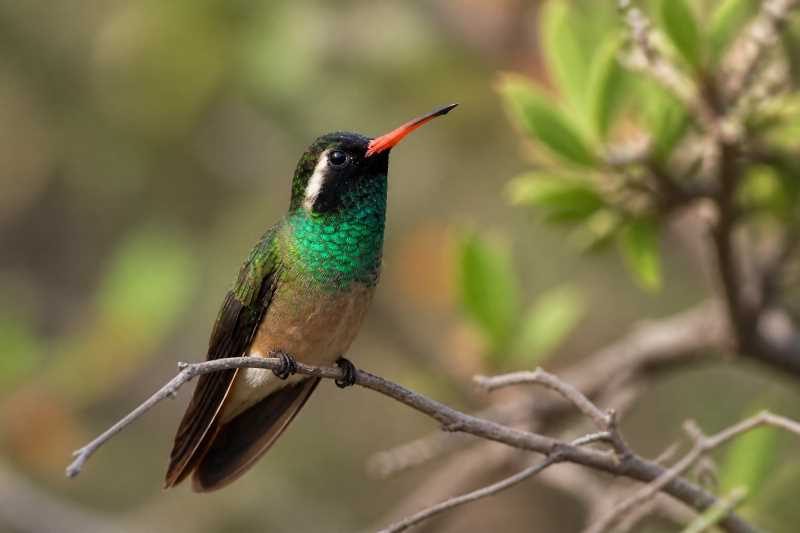
Xantus’s Hummingbird is renowned for its stunning appearance. Males boast iridescent emerald green feathers on their upperparts, while their underparts shimmer in a rich cinnamon hue. A distinctive white stripe extends from the base of the bill to the neck, contrasting sharply with the bird’s dark face. The tail feathers exhibit a striking combination of green and black, completing the bird’s vibrant ensemble. Females, although less colorful than males, share similar patterns with more subdued tones of green and cinnamon.
These hummingbirds are relatively small, measuring around 8 to 9 centimeters in length, with a wingspan of approximately 11 centimeters. Despite their size, they are easily recognizable due to their distinctive coloration and energetic flight patterns.
Habitat and Distribution
Basilinna xantusii is primarily found in the scrublands, dry forests, and coastal areas of the southern Baja California Peninsula. The species is well-adapted to the arid conditions of its environment, often seen flitting among cacti, agaves, and flowering shrubs that provide both nectar and shelter. Their range is restricted to this unique geographic region, making them a highly localized species.
Throughout the year, Xantus’s Hummingbirds occupy different habitats based on the availability of food sources. During the breeding season, they prefer areas with abundant flowering plants, while in other times, they may be found in more arid regions where insects supplement their diet.
Feeding Habits and Behavior
As a member of the hummingbird family, the Xantus’s Hummingbird is a nectarivorous bird, relying heavily on the sweet nectar from a variety of flowers. Its specialized, elongated bill and extendable, brush-tipped tongue allow it to access nectar deep within flowers, playing a crucial role in the pollination of many plant species.
In addition to nectar, these hummingbirds consume small insects and spiders to meet their protein needs. They exhibit territorial behavior, often defending their feeding areas aggressively against intruders. This territoriality is particularly pronounced during the breeding season when males perform elaborate aerial displays to court females and deter rivals.
Breeding and Nesting
The breeding behavior of Xantus’s Hummingbird is as fascinating as their feeding habits. Males engage in impressive courtship displays, involving rapid flights and dramatic dives to attract potential mates. Once paired, females take on the sole responsibility of nest building, incubation, and feeding the young.
Nests are often constructed using plant fibers, spider silk, and lichen, providing a secure and camouflaged environment for the eggs. Typically, the female lays two tiny white eggs, which she incubates for about two weeks. After hatching, the chicks are fed regurgitated nectar and insects until they are ready to fledge approximately three weeks later.
Conservation Status and Challenges
Despite its relatively small range, the Xantus’s Hummingbird is currently classified as a species of "Least Concern" by the International Union for Conservation of Nature (IUCN). However, like many other species, it faces challenges that could impact its survival in the long term.
Habitat destruction due to urbanization, agriculture, and tourism development poses a significant threat to the hummingbird’s natural environment. Additionally, climate change could alter the availability of flowering plants and water sources, further stressing the species. Conservation efforts aimed at preserving natural habitats and raising awareness about the importance of these birds are crucial for their continued survival.
Conclusion
The Xantus’s Hummingbird stands out as a vibrant symbol of the rich biodiversity found within the Baja California Peninsula. Its brilliant colors, ecological role, and unique behaviors capture the imagination of all who encounter it. Protecting this species and its habitat requires concerted efforts from conservationists, local communities, and policymakers. By understanding and appreciating the intricate web of life that supports such a remarkable bird, we can ensure that future generations will continue to marvel at the beauty and wonder of Xantus’s Hummingbird.
Related posts