The Enigmatic Akun Eagle-Owl: A Comprehensive Insight into Ketupa leucosticta
The Akun Eagle-Owl, scientifically known as Ketupa leucosticta, is a fascinating bird of prey that captures the interest of ornithologists and bird enthusiasts alike. This elusive owl species, found predominantly in the dense forests of West and Central Africa, remains a subject of intrigue due to its secretive nature and remarkable adaptations.
Taxonomy and Nomenclature
The Akun Eagle-Owl belongs to the family Strigidae, which encompasses typical owls. It is classified under the genus Ketupa, a group known for their striking appearance and predatory prowess. The species name, leucosticta, is derived from Greek, meaning ‘white-spotted’, aptly describing the owl’s distinctive plumage.
Physical Characteristics
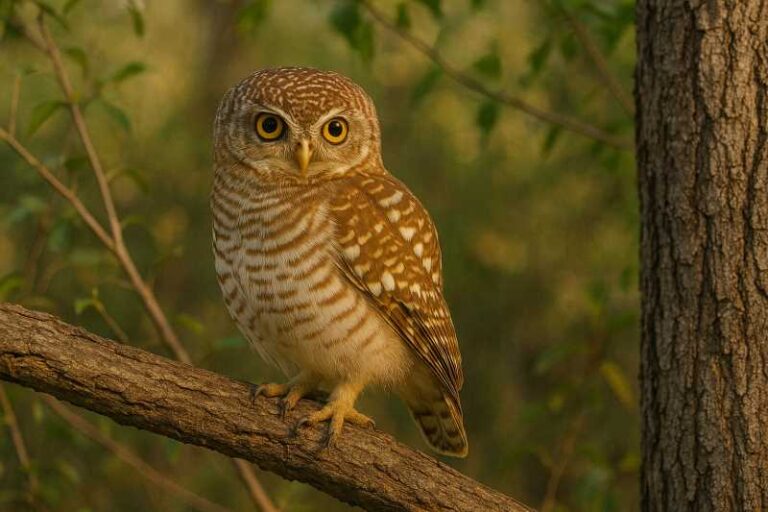
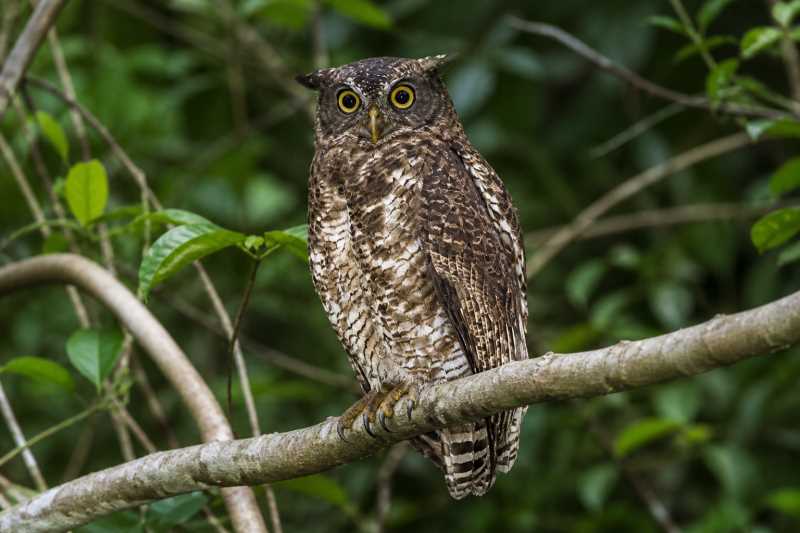
The Akun Eagle-Owl is notable for its robust and striking appearance. It measures between 43 to 50 centimeters in length, with a wingspan that can reach up to 120 centimeters. Its plumage is predominantly brown with intricate white spotting, providing excellent camouflage against the forest backdrop. The owl’s piercing yellow eyes give it an intense gaze, while its tufts, resembling ears, add to its majestic appearance.
One of the most distinguishing features of the Akun Eagle-Owl is its powerful talons and beak, adapted for hunting and consuming a variety of prey. This bird of prey is equipped to tackle everything from small mammals and birds to insects and reptiles, showcasing its versatility as a predator.
Habitat and Distribution
The Akun Eagle-Owl inhabits the tropical rainforests of West and Central Africa, with sightings recorded in countries such as Sierra Leone, Liberia, Ghana, and Cameroon. It prefers dense, humid forests with abundant tree cover and proximity to water bodies, which support a rich biodiversity of potential prey.
This owl’s preference for undisturbed, dense forests makes it particularly susceptible to habitat destruction, a growing concern given the rapid deforestation in its native regions. Conservation efforts are crucial to preserving the natural habitats that support the Akun Eagle-Owl and countless other species.
Behavior and Ecology
Largely nocturnal, the Akun Eagle-Owl roosts quietly during the day within dense foliage, becoming active at dusk. Its nocturnal habits and elusive nature make it a challenge to study in the wild. Researchers rely on auditory cues, such as its distinctive calls, to locate and study these owls.
The Akun Eagle-Owl is a solitary bird, except during the breeding season. Its calls, often described as a series of deep, resonant hoots, serve as a means of communication between mates and for marking territory. Mating pairs engage in intricate courtship rituals, which include vocal exchanges and synchronized flights.
Reproduction
Breeding season for the Akun Eagle-Owl typically occurs in the dry months when prey is most abundant. The female lays a clutch of 1 to 2 eggs in a nest situated in a tree hollow or on a cliff ledge. Both parents are involved in rearing the young, with the female primarily incubating the eggs while the male hunts for food.
The chicks are altricial at birth, meaning they are initially helpless and rely entirely on their parents for nourishment and protection. As they grow, the young owls gradually develop their hunting skills under the watchful guidance of their parents.
Conservation Status
The International Union for Conservation of Nature (IUCN) currently lists the Akun Eagle-Owl as a species of Least Concern. However, this status does not fully reflect the pressures faced by the species, particularly from habitat destruction and human encroachment. Efforts to monitor populations and protect forest habitats are vital for ensuring the long-term survival of this remarkable owl.
Conclusion
The Akun Eagle-Owl remains one of the more enigmatic and captivating species within the owl family. Its secretive nature, combined with the challenges of studying it in dense forest habitats, adds to its allure. As with many forest-dwelling species, the Akun Eagle-Owl faces significant threats from environmental changes, underscoring the importance of conservation initiatives.
Understanding and preserving the natural habitats of the Akun Eagle-Owl is not only essential for the survival of this species but also for maintaining the rich biodiversity of the regions it inhabits. Continued research and conservation efforts will be key in unraveling the mysteries of this magnificent bird and ensuring its presence in the world’s forests for generations to come.
Related posts