Paramushir Shrew: The Elusive Sorex leucogaster
Introduction
The Paramushir Shrew, scientifically known as Sorex leucogaster, is a small mammal that inhabits the remote areas of the Russian Far East. Known for its elusive nature and unique adaptations, this species has fascinated researchers and wildlife enthusiasts alike. The Paramushir Shrew is part of the Soricidae family, which includes more than 300 species of shrews worldwide. This article delves into the intriguing world of the Paramushir Shrew, exploring its physical characteristics, habitat, behavior, and conservation status.
Physical Description
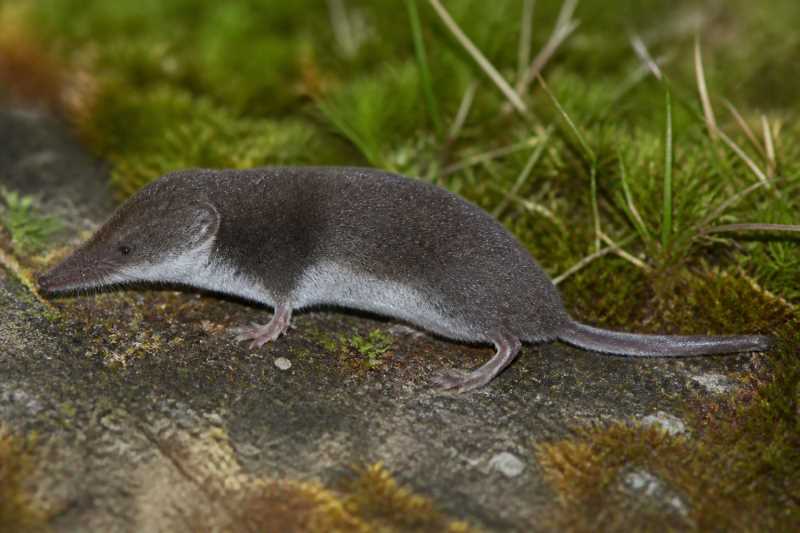
The Paramushir Shrew is a small, insectivorous mammal with a body length ranging from 5 to 8 centimeters, excluding the tail, which can add an additional 4 to 6 centimeters. It has a slender, elongated body covered with dense, velvety fur that appears grayish-brown on the dorsal side and lighter on the ventral side. This coloration provides excellent camouflage against the forest floor.
A distinctive feature of the Paramushir Shrew is its pointed snout, which is highly sensitive and covered with vibrissae (whisker-like structures) that help it navigate its environment. Its small eyes and ears are adaptations for its subterranean and nocturnal lifestyle. The shrew’s teeth are adapted for an insectivorous diet, with sharp cusps that can efficiently crush the exoskeletons of insects.
Range and Habitat
The Paramushir Shrew is endemic to the Kuril Islands, specifically found on Paramushir Island, from which it derives its name. These islands are part of the Russian Far East and are characterized by a temperate climate with high precipitation. The shrew’s preferred habitats include coniferous and mixed forests, where it inhabits the dense undergrowth and litter layer.
The island’s volcanic soil and abundant rainfall contribute to a rich biodiversity, providing ample food sources for the Paramushir Shrew. The shrew is known to occupy burrows and crevices, utilizing its agile body to navigate through the complex terrain.
Behavior and Diet
Paramushir Shrews are primarily nocturnal, spending most of their active hours foraging for food under the cover of darkness. Their diet consists mainly of insects, spiders, and other small invertebrates. The shrew’s high metabolic rate necessitates frequent feeding, often consuming up to twice its body weight in food daily.
These shrews are solitary creatures, with individuals maintaining distinct territories marked by scent glands. Communication is primarily through vocalizations, which include a series of high-pitched squeaks. During the breeding season, which occurs in the warmer months, males and females come together briefly for mating.
Identification Tips (Field Recognition Cues)
Identifying the Paramushir Shrew in the wild requires keen observation due to its small size and secretive nature. Here are some tips for recognizing this elusive creature:
- Size and Shape: Look for a small, mouse-sized mammal with a slender body and long tail.
- Fur Coloration: Note the grayish-brown fur on the back and lighter underbelly, which aids in blending with the forest floor.
- Snout and Vibrissae: The elongated, pointed snout with whisker-like structures is a key characteristic.
- Habitat: Focus on dense forest undergrowth and litter layers, particularly in the evening or at night.
- Behavior: Listen for high-pitched squeaks during nocturnal activity, particularly in areas with abundant insect life.
Conservation Status (with Threats and Protections)
The Paramushir Shrew is currently classified as a species of Least Concern by the International Union for Conservation of Nature (IUCN). However, its restricted range on the Kuril Islands makes it vulnerable to habitat loss and environmental changes.
Threats
- Habitat Destruction: Logging and land development pose significant threats to the shrew’s natural habitat.
- Climate Change: Alterations in weather patterns could impact the availability of food and suitable habitats.
- Invasive Species: The introduction of non-native predators can disrupt the ecological balance.
Protections
- Protected Areas: Portions of the Kuril Islands are designated as protected areas, helping to conserve the natural habitat.
- Research and Monitoring: Ongoing studies aim to monitor population trends and ecological requirements.
Frequently Asked Questions
What is the diet of the Paramushir Shrew?
The Paramushir Shrew primarily feeds on insects, spiders, and small invertebrates. Its high metabolic rate requires it to consume a significant amount of food relative to its body weight daily.
Where can you find the Paramushir Shrew?
This species is endemic to the Kuril Islands, specifically Paramushir Island, where it inhabits coniferous and mixed forests with dense undergrowth.
How does the Paramushir Shrew communicate?
Paramushir Shrews communicate through a series of high-pitched vocalizations and scent markings. These vocalizations are used primarily during the breeding season and for territory defense.
What are the main threats to the Paramushir Shrew?
The main threats include habitat destruction due to logging and development, climate change affecting food availability and habitat conditions, and the introduction of invasive species.
How can one identify the Paramushir Shrew in the wild?
Identifying the Paramushir Shrew involves looking for its small size, grayish-brown fur, pointed snout with vibrissae, and listening for high-pitched squeaks during nocturnal activity in dense forest undergrowth.
Related posts