
The Enigmatic Grey-tailed Mountaingem: A Jewel of the Cloud Forests
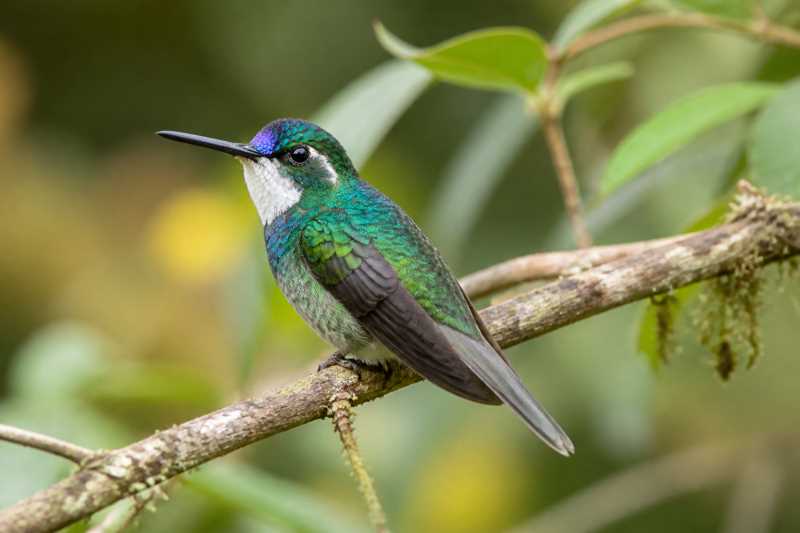
Nestled within the lush cloud forests of Costa Rica, the Grey-tailed Mountaingem (Lampornis cinereicauda) is a remarkable species of hummingbird, known for its distinctive appearance and elusive nature. This avian gem belongs to the family Trochilidae and is one of the several species in the genus Lampornis, which is renowned for its brilliantly colored plumage and incredible flying abilities. In this article, we delve into the ecological significance, unique characteristics, and conservation challenges facing the Grey-tailed Mountaingem.
Habitat and Range
The Grey-tailed Mountaingem is endemic to Costa Rica, where it inhabits the montane cloud forests of the Talamanca Range. This region, characterized by dense vegetation, high humidity, and frequent cloud cover, provides an ideal environment for the species. Typically found at elevations ranging from 1,200 to 2,100 meters, these birds thrive in the cooler, mist-laden environments that offer abundant floral resources and shelter.
The Talamanca Range is a biodiversity hotspot, supporting a plethora of plant and animal species. The Grey-tailed Mountaingem plays a crucial role in the ecosystem as a pollinator. By feeding on the nectar of various flowering plants, it facilitates cross-pollination, contributing to the reproductive success of numerous plant species.
Physical Characteristics
The Grey-tailed Mountaingem is a medium-sized hummingbird, measuring approximately 10-12 cm in length, with a wingspan of around 15 cm. As its name suggests, it is distinguished by its grey tail, which contrasts beautifully with its iridescent plumage. Males and females exhibit slight dimorphism, with males boasting a vibrant green crown and a shimmering blue throat patch, while females tend to have a more subdued coloration with a whitish throat.
One of the most striking features of the Grey-tailed Mountaingem is its ability to hover effortlessly in mid-air, a skill that is critical for feeding on nectar. This remarkable flight capability is facilitated by their specialized wing structure, which allows them to beat their wings rapidly, up to 70 times per second.
Behavior and Diet
The Grey-tailed Mountaingem is a solitary bird, often seen alone or in pairs. It is known for its territorial behavior, vigorously defending feeding territories from intruders. This territoriality ensures a reliable food supply, especially during the breeding season.
Their diet primarily consists of nectar from a variety of flowering plants, including bromeliads and fuchsias. In addition to nectar, they consume small insects and spiders, which provide essential proteins and nutrients. The Grey-tailed Mountaingem’s long, specialized bill and extendable tongue are perfectly adapted for extracting nectar from deep within flowers.
Reproduction and Lifecycle
Breeding typically occurs during the wet season, which aligns with the peak flowering period of many plant species. The female Grey-tailed Mountaingem is solely responsible for nest building and parental care. She constructs a small, cup-shaped nest using plant fibers, moss, and spider silk, camouflaging it amidst dense foliage.
The female lays two small, white eggs, incubating them for about 16-19 days. Once hatched, the chicks are fed a diet of regurgitated nectar and insects. They fledge approximately 20-26 days after hatching, gradually gaining independence as they learn to forage and navigate their environment.
Conservation Status and Threats
The International Union for Conservation of Nature (IUCN) currently lists the Grey-tailed Mountaingem as a species of Least Concern. However, its restricted range and specialized habitat preferences make it vulnerable to environmental changes. Habitat loss, primarily due to deforestation and agricultural expansion, poses a significant threat to the species. Climate change further exacerbates these challenges by altering precipitation patterns and affecting the availability of floral resources.
Conservation efforts are crucial to ensure the survival of the Grey-tailed Mountaingem. Protecting and restoring cloud forest habitats, promoting sustainable land-use practices, and raising awareness about the species are essential steps in safeguarding its future. Additionally, supporting local conservation organizations and initiatives can play a vital role in preserving the biodiversity of the Talamanca Range.
Conclusion
The Grey-tailed Mountaingem stands as a testament to the intricate beauty and complexity of the cloud forest ecosystem. Its vibrant plumage, remarkable flight abilities, and vital ecological role underscore the importance of preserving its natural habitat. As we continue to explore and understand the delicate balance of these ecosystems, the Grey-tailed Mountaingem serves as a reminder of the wonders and fragility of our planet’s biodiversity.
By fostering a deeper appreciation for these avian treasures and their habitats, we can contribute to the conservation of the Grey-tailed Mountaingem and ensure that future generations can marvel at this enchanting species in the wild.
Related posts


