The Blue-throated Hillstar: A Jewel of the Andes
In the misty heights of the Andes, where the air is thin and the environment harsh, there exists a dazzling creature that has captured the fascination of ornithologists and nature enthusiasts alike. The Blue-throated Hillstar (Oreotrochilus cyanolaemus) is a testament to nature’s ability to adapt and thrive in even the most inhospitable of places. This remarkable hummingbird, discovered only recently in 2017, has quickly become a symbol of both the incredible biodiversity of the Andes and the urgent need for conservation.
Discovery and Description
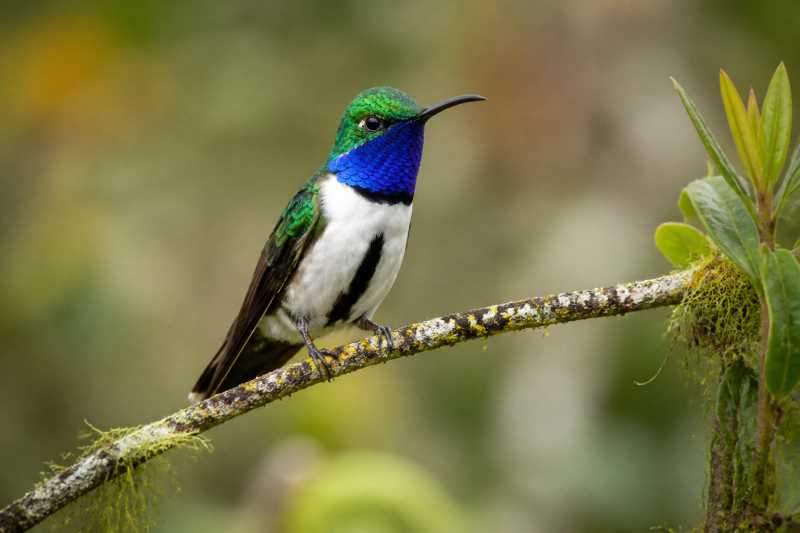
The Blue-throated Hillstar was first identified by a team of researchers led by Francisco Sornoza-Molina in the secluded regions of southern Ecuador. Measuring approximately 13 to 14 centimeters in length, this hummingbird is distinguished by its striking iridescent blue throat, which shimmers with a metallic sheen in sunlight. The rest of its plumage varies between olive and gray, enabling it to blend seamlessly into its high-altitude habitat.
This species is part of the hillstar hummingbirds, a group known for their resilience to cold temperatures. Unlike many of its relatives, the Blue-throated Hillstar resides at altitudes between 3,000 to 3,700 meters, where temperatures can plummet significantly, especially at night. To survive in such conditions, hillstars have developed unique adaptations, including specialized plumage and a slower metabolism that conserves energy.
Habitat and Ecology
The Blue-throated Hillstar inhabits the páramo ecosystem, a unique type of alpine tundra found in the Northern Andes. This habitat is characterized by its grassland vegetation, interspersed with shrubs and occasional patches of forest. The páramo plays a crucial role in water regulation, serving as a natural sponge that captures and stores water, slowly releasing it to lower altitudes.
Within this ecosystem, the Blue-throated Hillstar primarily feeds on nectar from flowering plants, particularly favoring species of the genus Chuquiraga. These plants have evolved alongside hummingbirds, their tubular flowers perfectly adapted to the birds’ long, slender bills. In addition to nectar, the hillstar supplements its diet with insects, providing essential proteins and nutrients.
Conservation Status and Threats
Since its discovery, the Blue-throated Hillstar has been classified as critically endangered by the International Union for Conservation of Nature (IUCN). Its population is estimated to be fewer than 750 mature individuals, making it one of the most vulnerable bird species in the world. The primary threats to its survival are habitat destruction and climate change.
The páramo ecosystem is under increasing pressure from human activities, including agriculture, mining, and deforestation. These actions not only destroy the natural habitat but also disrupt the delicate hydrological balance of the region. Climate change poses an additional threat, with rising temperatures and changing precipitation patterns altering the availability of food sources and suitable nesting sites.
Conservation Efforts
In response to the precarious status of the Blue-throated Hillstar, conservationists and researchers have launched initiatives aimed at protecting its habitat and ensuring its survival. Efforts are underway to establish protected areas within the bird’s range, safeguarding critical habitats from development and degradation. Additionally, conservationists are working with local communities to promote sustainable land-use practices that benefit both people and wildlife.
Public awareness campaigns are also crucial, aiming to educate the public about the importance of preserving biodiversity and the unique role that species like the Blue-throated Hillstar play in their ecosystems. By fostering a sense of stewardship and appreciation for these natural treasures, conservationists hope to inspire collective action towards their protection.
The Road Ahead
The discovery of the Blue-throated Hillstar serves as a poignant reminder of the rich biodiversity that remains hidden in the world’s remote and unexplored regions. It highlights the urgency of conserving these habitats before they are irreversibly altered. As researchers continue to study this remarkable species, they gain invaluable insights into the complex interactions that define high-altitude ecosystems, information that is vital for effective conservation planning.
In conclusion, the Blue-throated Hillstar is not just a symbol of the Andes’ natural beauty, but also a call to action for conservation efforts globally. By protecting this tiny jewel of the mountains, we contribute to the preservation of an entire ecosystem that supports countless other species and provides vital resources for human communities. The onus is on us to ensure that the Blue-throated Hillstar remains a vibrant part of our planet’s biodiversity for generations to come.
Related posts