Introduction
The Colombian Red Brocket (Mazama zetta) is a fascinating species of small deer found in the diverse ecosystems of South America. This elusive creature is part of the Mazama genus, which includes several species of brocket deer. Known for its shy nature and reddish-brown coat, the Colombian Red Brocket plays a crucial role in the forest ecosystems where it resides. This article delves into the physical characteristics, habitat, behavior, and conservation status of this unique mammal, providing insights into its ecological importance and the challenges it faces in the wild.
Physical Description
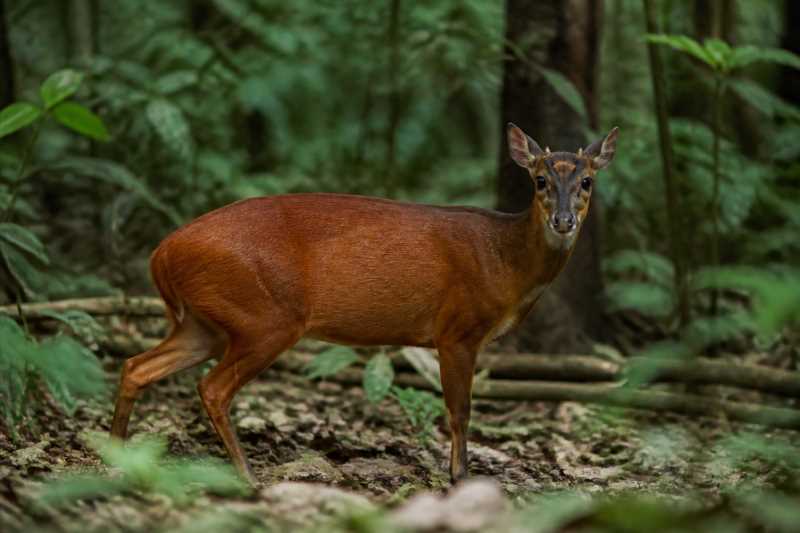
The Colombian Red Brocket is a medium-sized deer, typically measuring between 70 to 100 centimeters in length and weighing around 20 to 30 kilograms. Its most distinctive feature is its reddish coat, which can vary in shade from light tan to deep auburn, providing excellent camouflage in the dappled forest light. The underparts are generally lighter, often a creamy white.
One of the most notable characteristics of the Colombian Red Brocket is its antlers, which are relatively short and spike-like, a common trait among brocket deer. These antlers are usually shed and regrown annually. The species has large, rounded ears which are highly sensitive to sound, a crucial adaptation for detecting predators in dense vegetation.
Range and Habitat
Mazama zetta is primarily found in Colombia, inhabiting a range of environments from lowland forests to montane regions. Its distribution extends into parts of Venezuela and Ecuador, reflecting its adaptability to various ecological zones. The Colombian Red Brocket favors dense, tropical rainforests, where it can find ample cover and food resources.
These deer are most commonly found in undisturbed habitats, where human activity is minimal. However, they have also been observed in secondary forests and areas of regenerating vegetation, indicating some level of adaptability to habitat changes.
Behavior and Diet
The Colombian Red Brocket is predominantly nocturnal, with peak activity occurring during the early morning and late evening hours. This behavior helps it avoid the heat of the day and potential predators. Known for being solitary, these deer are usually seen alone or in pairs, particularly during the mating season.
Their diet consists mainly of leaves, fruits, and shoots, making them important seed dispersers within their habitat. By consuming a variety of plant materials, they play a vital role in maintaining the health and diversity of the forest ecosystem.
Identification Tips (Field Recognition Cues)
Identifying the Colombian Red Brocket in the wild can be challenging due to its elusive nature and the dense habitats it occupies. However, there are several key features to look for:
- Coloration: Look for the distinctive reddish-brown coat, which can help differentiate it from other deer species.
- Size: Note the medium size and compact body, with a relatively short neck and legs.
- Antlers: Observe the short, spike-like antlers which are unique to this brocket species.
- Behavior: Look for solitary or paired individuals, often seen during dawn or dusk.
Conservation Status (With Threats and Protections)
The conservation status of the Colombian Red Brocket is currently classified as "Data Deficient" by the International Union for Conservation of Nature (IUCN). This classification indicates that there is insufficient information available to make a direct or indirect assessment of its risk of extinction.
Despite the lack of data, several threats are known to impact the species, including habitat loss due to deforestation, hunting pressure, and competition with domestic livestock. These factors contribute to the decline in suitable habitats, forcing the deer into smaller, fragmented populations.
Conservation efforts are crucial for the protection of Mazama zetta. These include habitat preservation initiatives, anti-poaching measures, and ecological research to better understand the species’ needs and distribution.
Frequently Asked Questions
What is the primary habitat of the Colombian Red Brocket?
The Colombian Red Brocket primarily inhabits dense tropical rainforests in Colombia, but it can also be found in secondary forests and areas of regenerating vegetation. It prefers undisturbed habitats where it can find cover and sufficient food resources.
How does the Colombian Red Brocket contribute to its ecosystem?
As a herbivore, the Colombian Red Brocket plays a crucial role in seed dispersal and the maintenance of plant diversity. By consuming a variety of fruits and leaves, it helps to promote forest regeneration and ecological balance.
Are Colombian Red Brocket deer endangered?
The Colombian Red Brocket is classified as "Data Deficient" by the IUCN, meaning there is not enough information to assess its conservation status accurately. However, it faces threats from habitat loss and hunting, which could impact its population.
What are the main threats to the Colombian Red Brocket?
The main threats to the Colombian Red Brocket include habitat destruction due to deforestation, hunting pressure, and competition with domestic livestock. These factors contribute to the fragmentation of their habitat and population decline.
How can we help protect the Colombian Red Brocket?
Protecting the Colombian Red Brocket involves supporting conservation efforts such as habitat preservation, anti-poaching measures, and ecological research. Raising awareness about the species and its ecological importance can also aid in its protection.
Related posts