Introduction
Domestic sheep, scientifically known as Ovis aries, are a widespread and vital species within the agricultural sector. They have been domesticated for thousands of years and are primarily raised for their wool, meat, and milk. Originating from the wild mouflon of Europe and Asia, sheep have adapted to various environments and are now found on nearly every continent. This article explores the various aspects of domestic sheep, including their physical characteristics, habitats, behaviors, and the challenges they face in today’s world.
Physical Description
Domestic sheep are members of the Bovidae family, which also includes goats, cattle, and antelopes. They are typically medium-sized ungulates with a compact build. The size and weight of sheep can vary significantly depending on the breed, with some weighing as little as 45 kilograms (100 pounds), while larger breeds can exceed 160 kilograms (350 pounds).
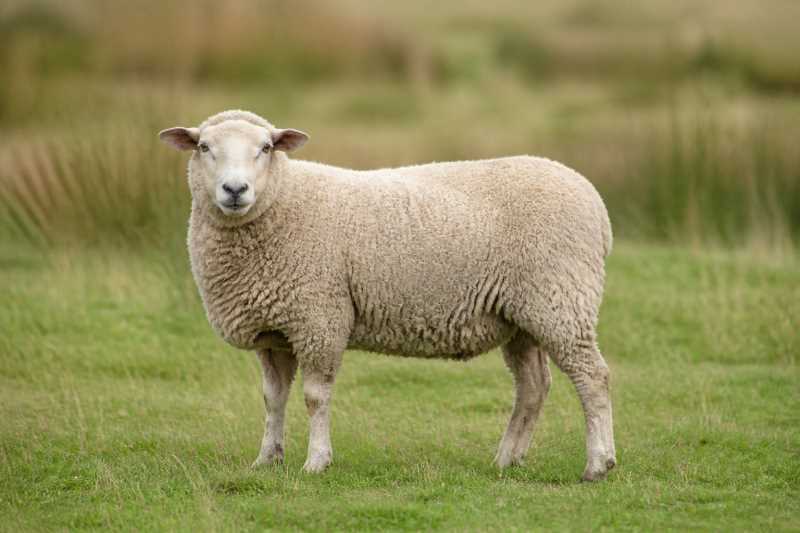
Sheep have a distinctive fleece covering most of their body, which varies in texture and color depending on the breed and environmental conditions. The fleece is made up of crimped fibers, which provide insulation and are the source of wool. Sheep are known for their cloven hooves and relatively short tails.
Most domestic sheep breeds exhibit some level of sexual dimorphism, with rams (males) typically being larger and possessing more prominent horns than ewes (females). However, in some breeds, both sexes can be hornless or polled.
Range and Habitat
Domestic sheep are remarkably adaptable animals that can thrive in a variety of environments. Originally from the mountains of Europe and Asia, they have been introduced to regions across the globe. Sheep farming is prevalent in countries with grasslands, such as New Zealand, Australia, and the United States, but they can also be found in arid regions, high-altitude areas, and even on islands.
Sheep are primarily grazers and prefer open pastures where they can feed on grasses, legumes, and other low-growing vegetation. They are well-suited to temperate climates but can also adapt to extreme conditions, including cold mountainous regions and dry deserts, provided they have access to adequate food and water.
Behavior and Diet
Sheep are social animals that thrive in flocks. Their flocking instinct is a survival mechanism, as staying together helps protect them from predators. Within a flock, sheep establish social hierarchies, often led by an older ewe or a dominant ram.
Sheep are primarily herbivores with a diet that consists mainly of grasses and other vegetation. They are ruminants, meaning they have a specialized stomach with four compartments that allows them to extract nutrients from tough plant materials. This ability to efficiently digest fibrous plants makes sheep valuable grazers in agricultural systems.
Sheep are known for their strong flocking behavior, which is a defense against predators. They communicate through vocalizations, body language, and scent markings. During the breeding season, rams become more aggressive and compete for ewes, while ewes tend to be more selective in choosing mates.
Identification Tips (Field Recognition Cues)
Identifying domestic sheep in the field can be aided by several key characteristics:
- Fleece Texture and Color: Look for the woolly fleece that varies in color from white to black, depending on the breed.
- Size and Build: Note the medium size, compact body, and sturdy legs typical of most sheep breeds.
- Horns: Observe the presence or absence of horns. Rams often have larger and more curved horns compared to ewes.
- Face and Ears: Sheep have a gentle facial expression with a narrow muzzle and large, expressive eyes. Their ears can be upright or droopy.
- Tail: Sheep tails are short and often docked in domestic breeds to prevent health issues.
Conservation Status (with Threats and Protections)
Domestic sheep are not at risk of extinction and do not have a conservation status. However, they face significant challenges related to animal welfare, genetic diversity, and environmental impact.
Threats
- Predation: In areas where predators such as wolves, coyotes, and domestic dogs are present, sheep are vulnerable to attacks.
- Disease: Sheep are susceptible to various diseases, including foot rot, flystrike, and parasitic infections.
- Habitat Loss: As agricultural practices evolve, some traditional grazing lands are being lost to urban development and industrial agriculture.
Protections
- Breeding Programs: Selective breeding programs help enhance desirable traits, improve health, and increase resistance to diseases.
- Predator Management: Farmers often employ guard animals, secure fencing, and other methods to protect sheep from predators.
- Sustainable Practices: Many sheep farmers are adopting sustainable grazing practices to minimize environmental impacts and enhance pasture health.
Frequently Asked Questions
What is the average lifespan of a domestic sheep?
Domestic sheep typically live for 10 to 12 years. However, their lifespan can be influenced by factors such as breed, living conditions, and health care.
How do sheep contribute to the environment?
Sheep contribute to the environment by grazing, which helps manage vegetation and reduce wildfire risks. Their manure also enriches soil fertility, supporting plant growth.
Can sheep recognize human faces?
Yes, sheep can recognize human faces. Studies have shown that sheep have impressive facial recognition skills and can remember human faces for extended periods.
What are the main uses of sheep products?
Sheep provide wool for textiles, meat (lamb and mutton) for consumption, and milk for dairy products like cheese and yogurt.
How do farmers ensure the welfare of sheep?
Farmers ensure sheep welfare by providing adequate food, shelter, and veterinary care. They also practice humane handling and maintain clean living conditions.
Related posts