Introduction
The Orinoco River Dolphin, scientifically known as Inia humboldtiana, is one of the most fascinating freshwater mammals in the world. This elusive creature inhabits the expansive river systems of South America, primarily in the Orinoco River Basin. Known for its distinctive appearance and behaviors, the Orinoco River Dolphin is not only a symbol of biodiversity in the regions it inhabits but also a key indicator of the health of its aquatic ecosystem. In this article, we will explore various aspects of the Orinoco River Dolphin, including its physical description, range and habitat, behavior and diet, identification tips, conservation status, and common questions about this unique species.
Physical Description
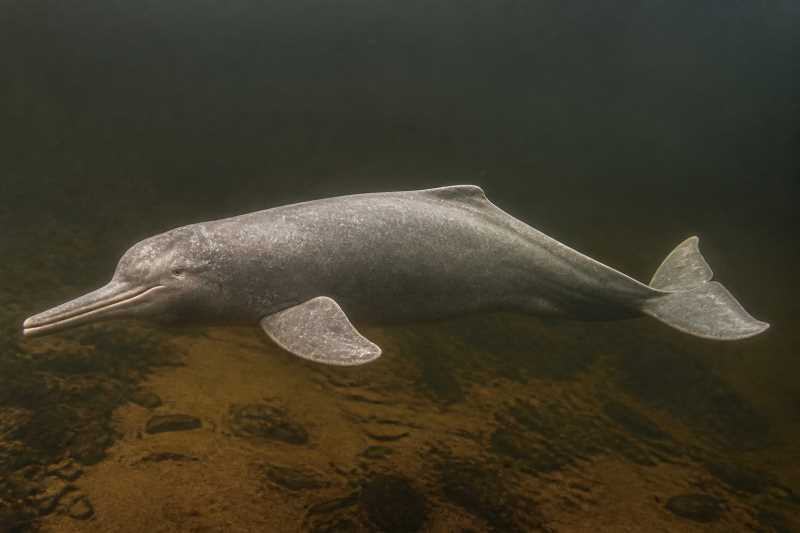
The Orinoco River Dolphin is a medium-sized cetacean, typically measuring between 2 and 2.5 meters in length and weighing up to 185 kilograms. One of its most striking features is its elongated snout, which is equipped with numerous sharp teeth that are ideal for catching fish. The dolphin’s body is robust yet flexible, allowing it to navigate the complex river environments with ease.
Unlike marine dolphins, the Orinoco River Dolphin lacks a dorsal fin. Instead, it has a ridge along its back, which is one of its distinguishing characteristics. The skin of this dolphin is typically a pale pinkish-gray, although the exact coloration can vary with age and environmental factors. Older dolphins often develop a more pronounced pink hue, which is thought to be related to increased capillary presence near the skin surface.
Range and Habitat
The Orinoco River Dolphin is endemic to the Orinoco River Basin, which spans parts of Venezuela and Colombia. This extensive river system provides a variety of habitats, from deep channels to shallow floodplains, where the dolphins can thrive. During the wet season, when the river floods, these dolphins are known to venture into inundated forests and swamps, taking advantage of the expanded territory and abundance of prey.
The adaptability of the Orinoco River Dolphin to various freshwater environments is remarkable. It can be found in both slow-moving and fast-flowing waters, and its ability to navigate through complex submerged vegetation and murky waters is a testament to its evolutionary success in these habitats.
Behavior and Diet
The Orinoco River Dolphin exhibits a range of fascinating behaviors that are well-suited to its environment. It is known to be a social creature, often observed in small groups, although solitary individuals are not uncommon. These dolphins communicate through a series of clicks and whistles, which play a crucial role in navigation and social interaction.
Their diet primarily consists of fish, but they are also known to consume crustaceans and occasionally small turtles. The elongated snout of the Orinoco River Dolphin is an effective tool for foraging, allowing them to probe riverbeds and capture prey hiding in the sediment.
Identification Tips (Field Recognition Cues)
Recognizing the Orinoco River Dolphin in the wild can be challenging, but there are several field recognition cues that can aid in identification:
- Coloration: Look for the distinctive pinkish-gray hue, which becomes more pronounced with age.
- Snout: The elongated snout is a key distinguishing feature, equipped with numerous sharp teeth.
- Dorsal Ridge: Unlike marine dolphins, the Orinoco River Dolphin lacks a dorsal fin and instead has a ridge along its back.
- Behavior: Observe their social behavior; they are often seen in small groups and are curious creatures, sometimes approaching boats.
Conservation Status (With Threats and Protections)
The Orinoco River Dolphin is currently classified as "Endangered" on the IUCN Red List. The primary threats to its survival include habitat degradation, pollution, and accidental capture in fishing gear. The expansion of agriculture, deforestation, and dam construction have significantly altered the natural flow of the Orinoco River, impacting the dolphin’s habitat.
Pollution, particularly from agricultural runoff and industrial waste, poses a severe risk to the health of these dolphins. Additionally, bycatch in fishing gear is a major concern, as many dolphins become entangled and drown.
Conservation efforts are underway to protect the Orinoco River Dolphin, including habitat restoration projects and the implementation of fishing regulations to reduce bycatch. Raising public awareness about the plight of these dolphins is also crucial in garnering support for their conservation.
Frequently Asked Questions
1. What is the lifespan of an Orinoco River Dolphin? Orinoco River Dolphins can live up to 30 years in the wild, although their lifespan is influenced by environmental factors and threats such as pollution and habitat loss.
2. How do Orinoco River Dolphins communicate? These dolphins communicate using a series of clicks and whistles, which are used for navigation, foraging, and social interactions within their groups.
3. Are Orinoco River Dolphins aggressive? Orinoco River Dolphins are generally not aggressive towards humans. They are curious creatures and are known to approach boats, but they seldom exhibit aggressive behavior.
4. How many Orinoco River Dolphins are left in the wild? The exact population size is difficult to determine due to their elusive nature, but estimates suggest that there are only a few thousand individuals remaining, making them an endangered species.
5. What efforts are being made to protect Orinoco River Dolphins? Conservation efforts include habitat restoration, pollution control, fishing regulation enforcement, and public awareness campaigns to highlight the importance of preserving this unique species.
Related posts