Lowland Tapir (Tapirus terrestris): A Comprehensive Guide
Introduction
The Lowland Tapir (Tapirus terrestris), also known as the Brazilian Tapir, is a fascinating mammal species native to South America. This herbivorous mammal is the largest land mammal in its range and plays a crucial role in the ecosystem as a seed disperser. Despite its importance, the Lowland Tapir faces numerous threats that have impacted its population. This article delves into the various aspects of the Lowland Tapir, including its physical characteristics, habitat, diet, behavior, and conservation status.
Physical Description
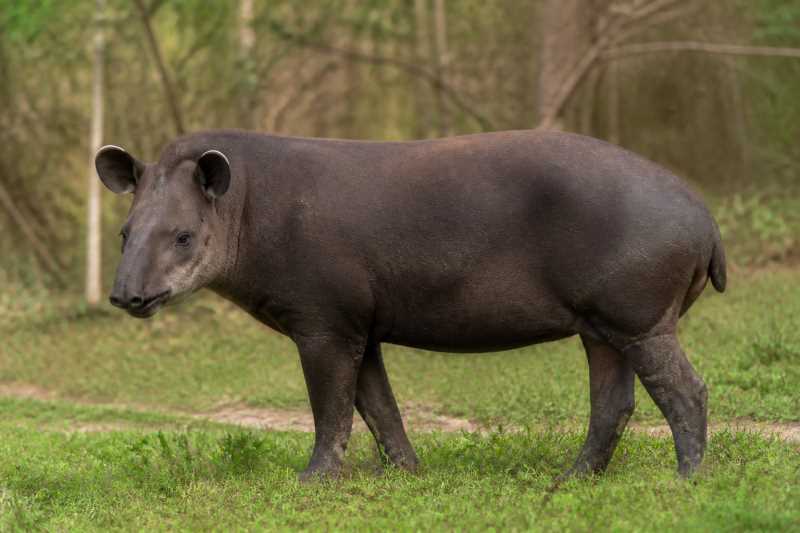
The Lowland Tapir is a robust and stocky animal, characterized by its distinctive prehensile snout, which resembles a shortened version of an elephant’s trunk. This snout is highly sensitive and is used to grasp leaves and fruits. Tapirs have a barrel-shaped body that can weigh between 150 to 300 kilograms (330 to 660 pounds) and measure up to 2.5 meters (8.2 feet) in length. Their short, sturdy legs are adapted for navigating thick forest underbrush.
The tapir’s coat is generally dark brown or gray, providing effective camouflage in the dense forest habitat. Juvenile tapirs display a striking pattern of white spots and stripes on a reddish-brown background, which helps them blend into the dappled sunlight of the forest floor. This pattern fades as they mature.
Range and Habitat
Lowland Tapirs inhabit the tropical rainforests, grasslands, and river basins of South America. Their range extends from northern Colombia and Venezuela, through the Amazon basin, to northern Argentina and Paraguay. They prefer habitats with abundant water sources, as they are excellent swimmers and often take to water to escape predators or cool off.
These mammals are primarily found in lowland regions but can adapt to a variety of environments, including secondary forests and agricultural landscapes, provided there is sufficient vegetation and water.
Behavior and Diet
Lowland Tapirs are primarily nocturnal and crepuscular, most active during the twilight hours of dawn and dusk. They are solitary animals, with males and females only coming together during the mating season. Tapirs communicate through a series of whistles and squeaks, and they have an acute sense of smell and hearing.
Their diet is herbivorous, consisting mainly of leaves, fruits, twigs, and aquatic plants. Tapirs play a vital ecological role as seed dispersers, aiding in forest regeneration. Their feeding habits create gaps in the forest canopy, allowing sunlight to reach the forest floor and support new growth.
Identification Tips
Recognizing a Lowland Tapir in the wild requires attention to specific cues:
- Size and Shape: Look for a large, barrel-shaped animal with a short, flexible snout.
- Coloration: Adult tapirs have dark brown or gray coats, while juveniles have distinctive white stripes and spots.
- Tracks: Tapirs leave behind three-toed tracks, which are quite distinctive.
- Sounds: Listen for whistles and squeaks, especially at dawn or dusk.
Conservation Status
The Lowland Tapir is currently listed as Vulnerable by the International Union for Conservation of Nature (IUCN). The primary threats to their survival include habitat destruction, particularly due to deforestation for agriculture, palm oil plantations, and cattle ranching. Additionally, hunting for meat and hides poses significant risks.
Conservation efforts are underway to protect this species, including habitat preservation and restoration initiatives. Protected areas and national parks in South America play a crucial role in safeguarding tapir populations. Moreover, international collaborations and research aim to enhance conservation strategies and raise awareness about the importance of tapirs in the ecosystem.
Frequently Asked Questions
1. What is the lifespan of a Lowland Tapir? Lowland Tapirs can live up to 25–30 years in the wild, although their lifespan may be shorter due to predation and human-related threats. In captivity, they can live slightly longer due to the absence of predators and consistent food supply.
2. How do Lowland Tapirs contribute to their ecosystem? Tapirs are key seed dispersers. By consuming fruits and excreting seeds in different locations, they aid in forest regeneration. This process helps maintain the ecological balance and promotes biodiversity.
3. Are Lowland Tapirs dangerous to humans? Generally, Lowland Tapirs are shy and avoid human interaction. They are not aggressive unless threatened or provoked. However, due to their size, they can unintentionally cause harm if they feel cornered or alarmed.
4. How can we help conserve Lowland Tapirs? Supporting conservation organizations, promoting sustainable land use practices, and raising awareness about the importance of tapirs are effective ways to contribute to their conservation. Additionally, advocating for the protection of their natural habitats is crucial.
5. What are the main predators of Lowland Tapirs? Jaguars and pumas are the primary natural predators of Lowland Tapirs. However, human activities pose the greatest threat to their survival, through habitat destruction and hunting.
Related posts