Uruguayan Colocolo: A Comprehensive Guide to Leopardus fasciatus
Introduction
The Uruguayan Colocolo, scientifically known as Leopardus fasciatus, is a fascinating and lesser-known wild cat species native to the diverse landscapes of South America. This elusive feline is part of the Leopardus genus, which includes several small to medium-sized cat species primarily found across the Americas. Its unique characteristics and adaptability to various environments make it a subject of interest for researchers and wildlife enthusiasts alike. This article delves into the Uruguayan Colocolo’s physical attributes, habitat, behavior, and conservation status to provide a detailed understanding of this intriguing species.
Physical Description
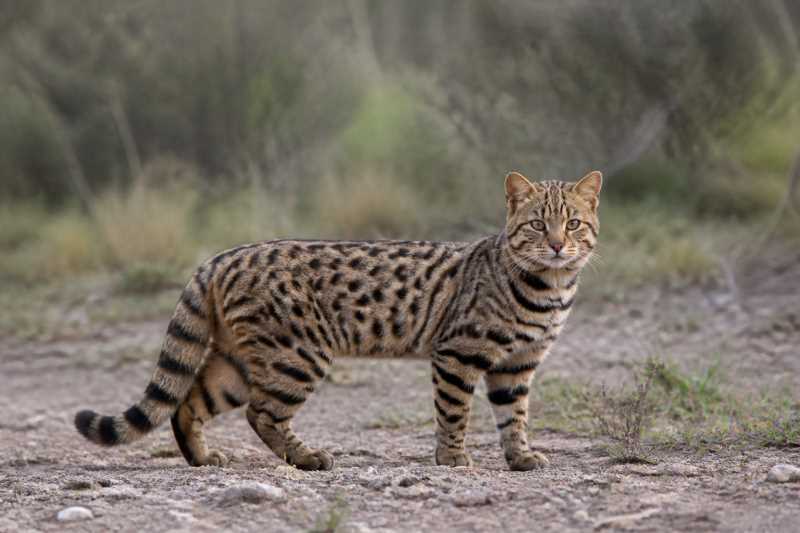
The Uruguayan Colocolo is a medium-sized cat, typically weighing between 3 to 7 kilograms (6.6 to 15.4 pounds) and measuring 50 to 70 centimeters (19.7 to 27.6 inches) in body length, with a tail length of 20 to 30 centimeters (7.9 to 11.8 inches). Its fur is short and dense, featuring a striking pattern of dark horizontal stripes on a light brown to grayish background. The coat’s coloration can vary depending on the geographic location, with some individuals exhibiting reddish or yellowish hues.
One of the defining features of the Uruguayan Colocolo is its distinctive facial markings. It sports dark stripes running from the eyes to the back of the head, coupled with white patches around the eyes and on the cheeks. Its ears are rounded, with a black spot on the back and white markings on the inside, aiding in camouflage and communication within its environment.
Range and Habitat
The Uruguayan Colocolo is primarily found in Uruguay, but its range extends into parts of southern Brazil, Argentina, and Paraguay. It inhabits a variety of ecosystems, including grasslands, savannas, and subtropical and temperate forests. The species is highly adaptable, capable of thriving in both pristine and disturbed habitats, which is crucial for its survival amid increasing human encroachment.
Although the Uruguayan Colocolo prefers areas with dense vegetation that provide cover from predators and opportunities for ambush hunting, it can also be found in open spaces, demonstrating its remarkable adaptability. The availability of prey and water sources are significant determinants of its habitat preference.
Behavior and Diet
The Uruguayan Colocolo is primarily nocturnal, though it may exhibit crepuscular activity patterns, being most active during dawn and dusk. It is a solitary animal, with individuals establishing and marking territories using scent glands located on their face, paws, and tail. These scent marks help in communication and maintaining spacing between individuals.
As an opportunistic carnivore, the Uruguayan Colocolo has a varied diet that includes small mammals, birds, reptiles, and insects. Rodents form a significant part of its diet, but it will also prey on larger animals such as hares and even small deer when available. Its hunting technique involves stealth and patience, relying on its ability to blend into the environment before launching a surprise attack on unsuspecting prey.
Identification Tips (Field Recognition Cues)
Identifying the Uruguayan Colocolo in the wild can be challenging due to its elusive nature and nocturnal habits. However, here are some field recognition cues to aid in identification:
- Coat Pattern: Look for the distinctive horizontal stripes on its body and facial markings, which differentiate it from other small cat species in the region.
- Size and Build: The Uruguayan Colocolo’s moderate size, coupled with its slender and agile build, distinguishes it from larger felines and smaller wildcats.
- Tail: Its relatively short tail with rings or dark spots can be a useful identification feature.
- Behavior: Observing its solitary and secretive behavior, as well as its preference for dense vegetation, can provide clues to its presence.
- Tracks and Scents: Look for paw prints and scent markings, which may indicate the presence of this elusive cat.
Conservation Status (with Threats and Protections)
The International Union for Conservation of Nature (IUCN) currently classifies the Uruguayan Colocolo as Near Threatened. Although it is not immediately at risk of extinction, several factors threaten its long-term survival.
Threats
- Habitat Loss: Human activities, such as agriculture and urban development, have led to significant habitat destruction and fragmentation.
- Hunting and Persecution: The Uruguayan Colocolo is sometimes hunted for its fur, and it may be killed by farmers who perceive it as a threat to livestock.
- Competition: Competition with other carnivores for prey and habitat resources can impact its population dynamics.
Protections
Efforts to conserve the Uruguayan Colocolo include:
- Protected Areas: Establishing and maintaining protected areas that encompass its natural habitats.
- Conservation Programs: Initiatives aimed at promoting coexistence between humans and wildlife, including education programs to reduce hunting and persecution.
- Research and Monitoring: Ongoing research to better understand its ecology and population trends, which can inform conservation strategies.
Frequently Asked Questions
What is the primary diet of the Uruguayan Colocolo?
The Uruguayan Colocolo primarily feeds on small mammals like rodents, but it also preys on birds, reptiles, and insects, showcasing its opportunistic feeding habits.
How does the Uruguayan Colocolo adapt to different habitats?
The species is highly adaptable, thriving in diverse environments from grasslands to forests, by utilizing dense vegetation for cover and ambush hunting.
Are Uruguayan Colocolos endangered?
Currently, the Uruguayan Colocolo is classified as Near Threatened by the IUCN, with habitat loss and hunting posing significant threats.
What are the main threats to the Uruguayan Colocolo?
Habitat destruction, hunting for fur, and competition with other carnivores are primary threats to its survival.
How can we help in conserving the Uruguayan Colocolo?
Supporting conservation programs, promoting habitat protection, and raising awareness about the species are vital steps in ensuring its future.
Related posts