Mediterranean Horseshoe Bat (Rhinolophus euryale)
Introduction
The Mediterranean Horseshoe Bat, scientifically known as Rhinolophus euryale, is a fascinating species of bat found predominantly across the Mediterranean region. Known for its distinctive horseshoe-shaped noseleaf, which aids in echolocation, this bat species plays a critical role in its ecosystem as a pest controller. As we explore the various aspects of this bat, from its physical characteristics to its conservation status, we aim to shed light on its ecological importance and the challenges it faces in the modern world.
Physical Description
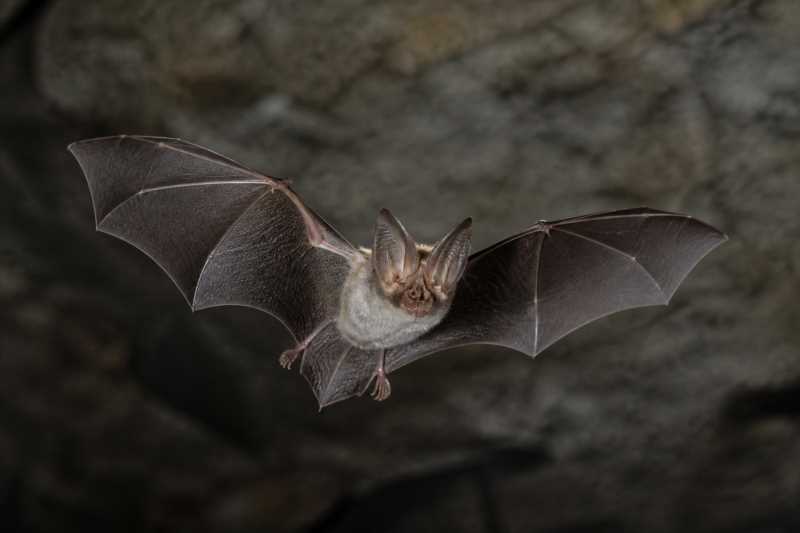
The Mediterranean Horseshoe Bat is a medium-sized bat species, falling under the family Rhinolophidae. Adults typically have a wingspan ranging from 30 to 35 centimeters and weigh between 8 to 17 grams. The most distinguishing feature of this bat is its noseleaf, which is shaped like a horseshoe and is crucial for its echolocation abilities.
Their fur is generally soft and dense, ranging in color from grayish-brown to reddish-brown on the dorsal side, while the ventral side is paler. The ears of the Mediterranean Horseshoe Bat are relatively large, helping them in detecting prey and navigating through their environment. Their eyes are small, and they rely heavily on echolocation rather than vision.
Range and Habitat
The Mediterranean Horseshoe Bat is predominantly found in the Mediterranean Basin, including parts of Southern Europe, North Africa, and the Middle East. Countries in its range include Spain, France, Italy, Greece, Turkey, and parts of the Balkans. This bat species favors warm climates and is often associated with regions that have a Mediterranean climate characterized by hot, dry summers and mild, wet winters.
Their preferred habitats are diverse, ranging from woodlands and shrublands to rocky areas and caves. They are known to roost in caves, abandoned buildings, and other secluded areas that provide safety from predators and stable microclimatic conditions. During the night, they forage in various habitats, including agricultural lands, forests, and grasslands, where they hunt for insects.
Behavior and Diet
The Mediterranean Horseshoe Bat is a nocturnal species, emerging at dusk to begin its nightly foraging activities. They are solitary foragers but may roost in colonies ranging from a few individuals to several hundred. Their echolocation abilities are highly developed, allowing them to detect and capture prey with precision.
Their diet primarily consists of small insects such as moths, beetles, and flies, which they catch in flight. The bats use their agile flight and echolocation to hunt, often targeting insects that are active during twilight and nighttime. By controlling insect populations, these bats play a vital role in maintaining ecological balance and supporting agricultural health.
Identification Tips
Identifying the Mediterranean Horseshoe Bat in the field can be challenging due to its nocturnal nature and the overlap of its range with other horseshoe bat species. However, certain features can aid in its identification:
- Noseleaf: The horseshoe-shaped noseleaf is a distinctive feature that separates it from other bat species.
- Echolocation Calls: Their echolocation calls are typically between 85-110 kHz, which can be detected using bat detectors.
- Flight Pattern: They exhibit a fluttery and agile flight pattern, which can be observed when they are foraging.
- Habitat: Observing their preferred roosting and foraging habitats can also provide clues to their identification.
Conservation Status
The Mediterranean Horseshoe Bat is currently listed as "Near Threatened" on the IUCN Red List. This status reflects the various challenges and threats the species faces, which include habitat loss, disturbance of roosting sites, and pesticide use.
Threats
- Habitat Destruction: Urbanization and agricultural expansion have led to the loss of natural habitats, affecting roosting and foraging areas.
- Disturbance: Human activities such as tourism and cave exploration disturb roosting sites, leading to stress and displacement.
- Pesticides: The use of pesticides in agriculture reduces insect populations, thereby diminishing food sources for these bats.
Protections
Efforts to protect the Mediterranean Horseshoe Bat include habitat conservation, legal protection of roosting sites, and public awareness campaigns. Several regions have enacted laws to preserve caves and other natural habitats that are crucial for the survival of this species. Additionally, research and monitoring programs are essential in understanding their ecology and implementing effective conservation strategies.
Frequently Asked Questions
What is the main diet of the Mediterranean Horseshoe Bat?
The Mediterranean Horseshoe Bat primarily feeds on small insects, including moths, beetles, and flies, which it captures using its sophisticated echolocation abilities.
How does the Mediterranean Horseshoe Bat use echolocation?
Echolocation involves emitting high-frequency sound waves that bounce off objects and return as echoes, allowing the bat to detect prey and navigate its environment with precision.
Why is the Mediterranean Horseshoe Bat considered near threatened?
The "Near Threatened" status is due to habitat loss, disturbance of roosting sites, and declining insect populations from pesticide use, which collectively threaten their survival.
Where can the Mediterranean Horseshoe Bat be found?
This bat species is predominantly found in the Mediterranean Basin, including Southern Europe, North Africa, and the Middle East, where it inhabits a range of environments from woodlands to caves.
How can I identify a Mediterranean Horseshoe Bat in the wild?
Key identification features include its horseshoe-shaped noseleaf, specific echolocation call frequency, agile flight pattern, and presence in Mediterranean climates.
Related posts