Introduction
Darling’s Horseshoe Bat, scientifically known as Rhinolophus darlingi, is a fascinating species of bat belonging to the Rhinolophidae family. These bats are distinguished by their unique horseshoe-shaped nose-leaf, a feature that plays a crucial role in their echolocation abilities. Named after the zoologist Ethel Mary Darling, who made significant contributions to the study of African bats, this species is primarily found in sub-Saharan Africa. Despite being lesser-known than some of its relatives, Darling’s Horseshoe Bat is an integral part of its ecosystem, playing a vital role in insect population control.
Understanding the biology, behavior, and conservation needs of Rhinolophus darlingi is essential for ensuring their continued survival in the wild. This article delves into various aspects of this intriguing species, from its physical description and natural habitat to its behavior and conservation status.
Physical Description
Darling’s Horseshoe Bat is a medium-sized bat, with a body length ranging from 60 to 75 millimeters and a wingspan of approximately 350 to 400 millimeters. The average weight of these bats is between 14 to 20 grams, making them relatively light and agile in flight.
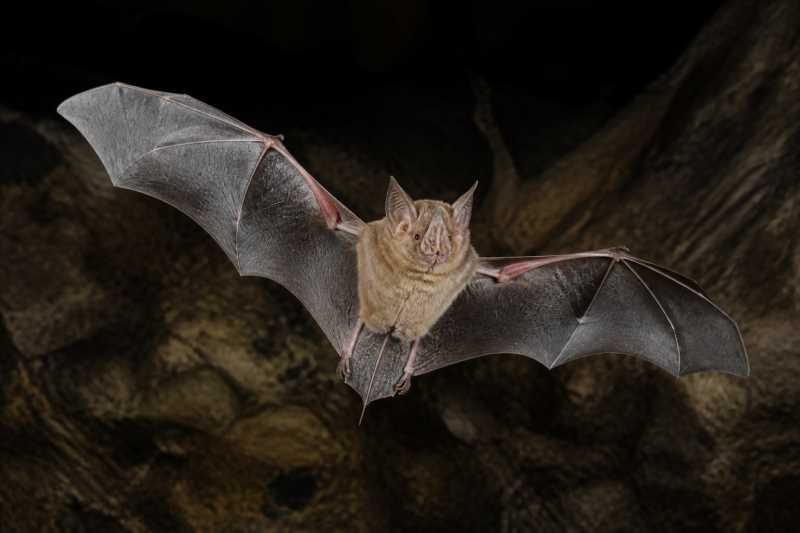
The most distinctive feature of Rhinolophus darlingi is its elaborate nose-leaf, shaped like a horseshoe. This structure is not just for decoration; it plays a critical role in the bat’s echolocation system, allowing for precise navigation and hunting in complete darkness. The nose-leaf is typically grey to brown in color, matching the rest of the bat’s fur, which is a muted brown or greyish-brown, providing excellent camouflage against tree bark and cave walls.
Their ears are large and rounded, enhancing their ability to detect echolocation signals. Unlike some other bat species, their ears lack a tragus, a small pointed structure inside the ear. Instead, their ears are adapted to pick up specific frequencies of sound essential for their hunting strategy.
Range and Habitat
Rhinolophus darlingi is predominantly found in sub-Saharan Africa, with a range extending from West Africa to East Africa. Countries with significant populations include Nigeria, Cameroon, Uganda, Kenya, and Tanzania. They inhabit a variety of habitats, including savannas, woodlands, and tropical forests.
These bats prefer roosting in caves, abandoned mines, and old buildings where they can form colonies ranging from a few individuals to several hundred. The choice of roosting site is crucial for their survival, as it provides shelter from predators and extreme weather conditions. During the day, they rest in these secluded spots, emerging at dusk to begin their nightly foraging.
Behavior and Diet
Darling’s Horseshoe Bats are nocturnal creatures, spending their nights hunting for insects. They are insectivorous, feeding primarily on moths, beetles, and other flying insects. Their hunting strategy relies heavily on echolocation; they emit high-frequency sounds that bounce off objects and return to the bat, allowing them to pinpoint the location of their prey with remarkable accuracy.
These bats are solitary hunters but are known to roost in social groups. Within these groups, they engage in grooming and social interactions that help maintain the colony’s cohesion. Mating typically occurs in the late summer, with females giving birth to a single pup after a gestation period of about 60 to 70 days. The young are weaned at around six weeks of age and are capable of flight shortly thereafter.
Identification Tips (Field Recognition Cues)
Identifying Darling’s Horseshoe Bat in the field can be challenging due to their nocturnal habits and elusive nature. However, there are several key features to look for:
- Nose-Leaf: The distinctive horseshoe-shaped nose-leaf is a key identification feature. It is prominent and easy to spot when the bat is at rest.
- Ear Shape: Their large, rounded ears without a tragus are another distinguishing feature.
- Flight Pattern: They exhibit a fluttery, agile flight pattern, often seen darting around lights where insects congregate.
- Roosting Sites: Look for them in caves, old buildings, or mines where they typically roost during the day.
- Echolocation Calls: Their echolocation calls are at a frequency of around 106 kHz, which can be detected using bat detectors.
Conservation Status (with Threats and Protections)
According to the International Union for Conservation of Nature (IUCN), Darling’s Horseshoe Bat is currently listed as Least Concern. However, this status does not imply that the species is free from threats. Habitat destruction due to agriculture, mining, and deforestation poses significant risks to their populations. Additionally, disturbance of roosting sites by humans can lead to a decline in local populations.
Conservation efforts for this species involve protecting known roosting sites and preserving their natural habitats. Awareness programs aimed at local communities can also help reduce human disturbances and promote coexistence.
Frequently Asked Questions
What is the primary diet of Darling’s Horseshoe Bat?
Darling’s Horseshoe Bat primarily feeds on flying insects, such as moths and beetles. They use echolocation to hunt these insects during their nocturnal foraging activities.
Where can I find Darling’s Horseshoe Bat?
These bats are found in sub-Saharan Africa, from Nigeria to Tanzania. They inhabit a variety of environments, including savannas, woodlands, and tropical forests, often roosting in caves and old buildings.
How do Darling’s Horseshoe Bats use echolocation?
Darling’s Horseshoe Bats emit high-frequency sounds that bounce off objects and return to them, helping to identify the location, size, and shape of their prey. Their specialized nose-leaf helps focus these echolocation calls.
What are the key identification features of Darling’s Horseshoe Bat?
Key features include their horseshoe-shaped nose-leaf, large rounded ears, and agile flight pattern. They are also often found in specific roosting sites like caves and old buildings.
Are Darling’s Horseshoe Bats endangered?
Currently, they are listed as Least Concern by the IUCN. However, they face threats from habitat destruction and human disturbance, requiring ongoing conservation efforts.
Related posts