Sooty Roundleaf Bat (Hipposideros fuliginosus)
Introduction
The Sooty Roundleaf Bat (Hipposideros fuliginosus) is an intriguing species belonging to the family Hipposideridae, known for its unique echolocation abilities and distinct physical characteristics. This species is part of a group of bats commonly referred to as Old World leaf-nosed bats, which are recognized for the fleshy appendages on their noses that aid in echolocation. The Sooty Roundleaf Bat is native to parts of Southeast Asia and is an integral component of its native ecosystems, playing a critical role in insect population control and seed dispersal.
Physical Description
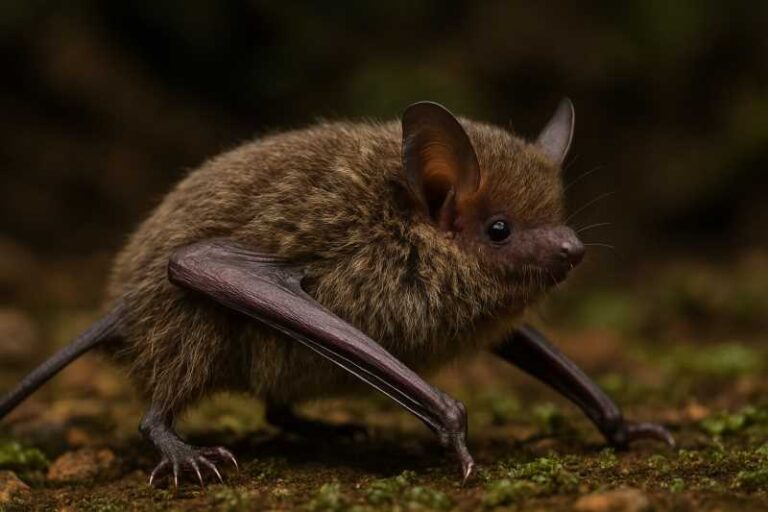
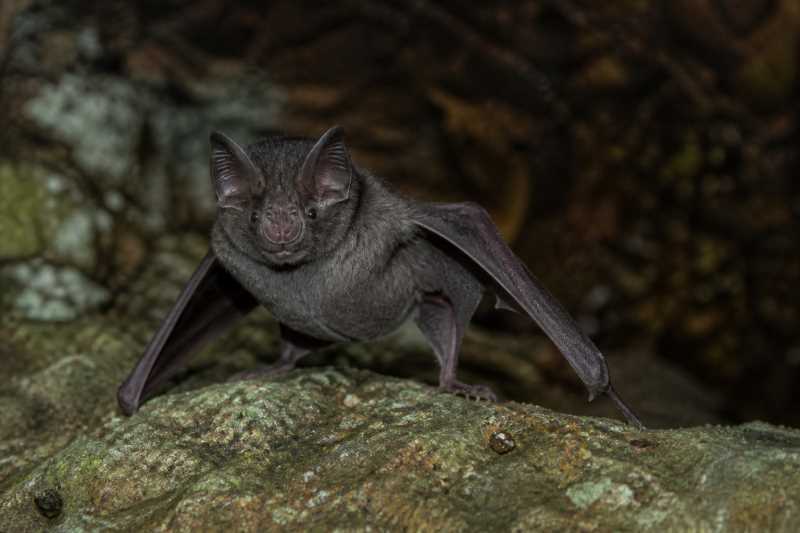
The Sooty Roundleaf Bat is a medium-sized bat characterized by its rounded leaf-like nose structure, which is integral to its navigation and hunting techniques. The species typically has a wingspan ranging from 30 to 35 centimeters and weighs between 20 to 30 grams. Its fur is a dark, sooty brown, providing excellent camouflage in its natural habitat. The fur is dense and velvety, offering insulation in the varied temperatures of its environment.
One of the most distinctive features of the Sooty Roundleaf Bat is its nose-leaf, a complex structure that assists with echolocation. This nose-leaf is divided into multiple parts, each playing a role in directing the sonar waves emitted by the bat. Its ears are large and rounded, aiding in the acute hearing necessary for detecting the echoes of its calls. The eyes are small, as with many bat species, reflecting its reliance on echolocation over vision.
Range and Habitat
The Sooty Roundleaf Bat is predominantly found in the tropical and subtropical regions of Southeast Asia. Its range includes countries such as Malaysia, Indonesia, Thailand, and parts of the Philippines. This bat prefers habitats that offer a combination of forested areas and caves, which provide roosting sites and abundant food sources.
These bats are typically found in lowland rainforests, where the dense canopy offers protection and a rich hunting ground for insects. They are also known to inhabit limestone caves, which provide a stable environment for roosting. The availability of suitable roosting sites greatly influences their distribution, as these sites are critical for their survival and reproductive success.
Behavior and Diet
The Sooty Roundleaf Bat is nocturnal, emerging from its roosts at dusk to hunt for food. Its diet primarily consists of insects, making it an essential participant in controlling insect populations. Using echolocation, it emits high-frequency sound waves that bounce off objects and return to the bat, enabling it to detect and capture prey with remarkable precision.
These bats are social creatures, often found roosting in large colonies that can number in the hundreds. Roosting in groups provides safety in numbers and facilitates social interactions that are important for breeding and communication. During the day, they rest in the safety of caves or hollow trees, minimizing energy expenditure and exposure to predators.
Identification Tips
Identifying the Sooty Roundleaf Bat in the field can be accomplished by noting several key characteristics:
- Nose-leaf Structure: Look for the distinctive round leaf-like structure on its nose, which is not present in many other bat species.
- Fur Color: The sooty brown fur, which provides excellent camouflage, is a hallmark of this species.
- Ears: Large and rounded ears are a feature of the Sooty Roundleaf Bat, assisting in its echolocation capabilities.
- Flight Pattern: Observing their flight at dusk, these bats exhibit agile and swift movements, typical of insectivorous bats.
Conservation Status
The Sooty Roundleaf Bat is currently listed as Least Concern by the International Union for Conservation of Nature (IUCN). However, it faces several threats that could impact its populations if not properly managed. Habitat destruction due to deforestation and land conversion for agriculture is a significant threat, as it reduces the availability of roosting and foraging habitats.
Pollution and pesticide use also pose indirect threats by reducing insect populations, which constitute the primary food source for these bats. Additionally, disturbances to roosting sites, especially caves, can have detrimental effects on their colonies.
Conservation efforts are focused on preserving natural habitats and establishing protected areas that safeguard critical roosting sites. Raising awareness about the ecological importance of bats and reducing human disturbances are also vital components of conservation strategies.
Frequently Asked Questions
- What is the primary diet of the Sooty Roundleaf Bat?
The Sooty Roundleaf Bat primarily feeds on insects, utilizing its echolocation abilities to hunt with precision during nighttime hours.
- Where can the Sooty Roundleaf Bat be found?
This species is native to Southeast Asia, including countries like Malaysia, Indonesia, Thailand, and parts of the Philippines, typically inhabiting lowland rainforests and caves.
- How does the Sooty Roundleaf Bat use its nose-leaf?
The nose-leaf is a complex structure that aids in echolocation by directing the sound waves emitted by the bat, allowing it to navigate and hunt effectively.
- What are the main threats to the Sooty Roundleaf Bat?
The main threats include habitat destruction due to deforestation, pollution, and disturbances to roosting sites such as caves.
- How does the Sooty Roundleaf Bat contribute to its ecosystem?
By controlling insect populations and aiding in seed dispersal, the Sooty Roundleaf Bat plays a crucial role in maintaining the ecological balance in its habitat.
Related posts