Introduction
The Sunda Flying Fox, scientifically known as Acerodon macklotii, is a remarkable species of bat belonging to the family Pteropodidae, commonly referred to as megabats or fruit bats. This species is an integral part of the ecosystems in Southeast Asia, where it plays a crucial role in pollination and seed dispersal. Despite its ecological importance, the Sunda Flying Fox faces a number of threats that have raised concerns about its conservation status. In this comprehensive article, we will explore the various aspects of the Sunda Flying Fox, including its physical description, range and habitat, behavior and diet, identification tips, and conservation status.
Physical Description
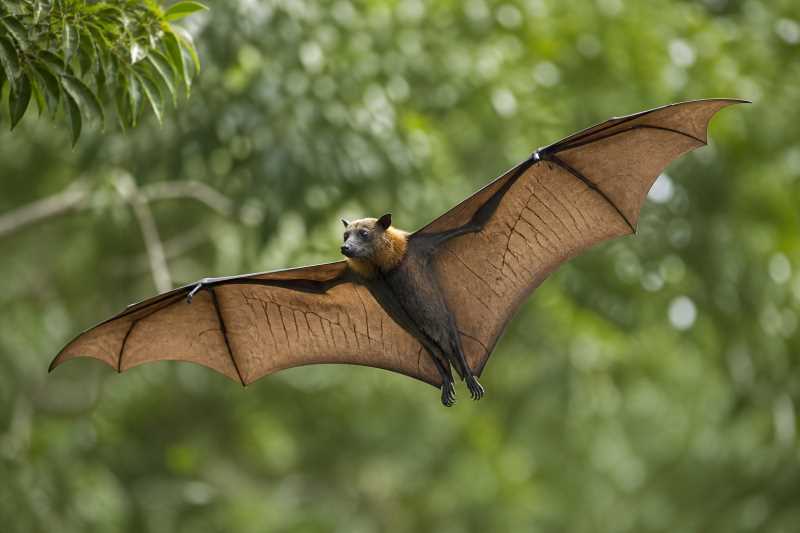
The Sunda Flying Fox is a visually striking creature, characterized by its large size and distinctive features. Adult Sunda Flying Foxes have a wingspan ranging from 1.2 to 1.5 meters (4 to 5 feet), making them one of the larger bat species in their range. Their body length typically measures between 27 to 32 centimeters (10.6 to 12.6 inches), and they can weigh up to 1.2 kilograms (2.6 pounds).
The fur of the Sunda Flying Fox is generally a rich, dark brown, with a lighter, golden-brown hue on the head and neck, which adds to its striking appearance. This coloration helps them blend into the canopy of tropical forests where they roost. They possess large eyes adapted for low-light vision, aiding their nocturnal lifestyle. Unlike microbats, megabats like the Sunda Flying Fox have a keen sense of sight and smell, which they use to locate fruits rather than relying on echolocation.
Range and Habitat
The Sunda Flying Fox is predominantly found in Southeast Asia, with its range extending through countries such as Indonesia, Malaysia, the Philippines, and Timor-Leste. The species is closely associated with tropical and subtropical forests, where it can find abundant food sources and suitable roosting sites.
These bats prefer lowland forests, mangroves, and coastal areas, although they have also been observed in orchards and agricultural lands where fruit is cultivated. Their presence in such diverse habitats underscores their adaptability, but also highlights the pressures they face from deforestation and habitat fragmentation.
Behavior and Diet
The Sunda Flying Fox is primarily nocturnal, emerging from its roosts at dusk to forage for food. As a frugivorous species, its diet mainly consists of a wide variety of fruits, including figs, mangoes, bananas, and other native fruits. They also feed on nectar and flowers, making them important pollinators for several plant species.
These bats typically roost in large colonies, often in the thousands, which provides them with protection from predators. Roosting sites are usually located in tall trees or mangroves, where they hang upside down during the day. Their social structure within these colonies is complex, with individuals maintaining specific roosting spots and exhibiting behaviors such as grooming and vocal communication.
Identification Tips (field recognition cues)
Identifying the Sunda Flying Fox in the field can be done by observing several key characteristics:
- Size and Wingspan: With a wingspan of 1.2 to 1.5 meters, the Sunda Flying Fox is noticeably larger than most other bats in its range.
- Fur Coloration: Look for the distinctive dark brown body fur with lighter, golden-brown fur on the head and neck.
- Roosting Habits: These bats roost in large colonies in tall trees or mangroves. Observing their roosting behavior can help confirm identification.
- Flight Pattern: The Sunda Flying Fox has a slow, deliberate flight with broad wing strokes, unlike the rapid, fluttering flight of smaller bats.
- Vocalizations: Listen for their characteristic squawking calls, especially at dusk when they begin to forage.
Conservation Status (with threats and protections)
The Sunda Flying Fox is currently listed as Near Threatened on the IUCN Red List. The species faces several significant threats, primarily due to human activities. Habitat loss from deforestation and land conversion for agriculture is one of the primary concerns. Additionally, hunting and poaching for bushmeat and traditional medicine pose serious threats to their populations.
Conservation efforts for the Sunda Flying Fox include habitat protection and restoration, as well as legal protection in some countries to curb hunting. Public awareness campaigns and community involvement in conservation projects are also crucial for ensuring the survival of this species. Conservationists emphasize the importance of maintaining healthy forest ecosystems, which are vital for the survival of not only the Sunda Flying Fox but also countless other species.
Frequently Asked Questions
What is the primary diet of the Sunda Flying Fox?
The Sunda Flying Fox primarily feeds on a variety of fruits such as figs, mangoes, and bananas. They also consume nectar and flowers, playing a vital role in pollination.
How do Sunda Flying Foxes contribute to their ecosystem?
Sunda Flying Foxes are important pollinators and seed dispersers. By feeding on fruits and flowers, they help in the regeneration of forests and maintenance of biodiversity.
What are the main threats faced by the Sunda Flying Fox?
The main threats include habitat loss due to deforestation, hunting for bushmeat and traditional medicine, and disturbances at roosting sites.
Where can Sunda Flying Foxes be found?
They are found in Southeast Asia, particularly in Indonesia, Malaysia, the Philippines, and Timor-Leste, inhabiting tropical forests, mangroves, and sometimes agricultural areas.
How can we help in the conservation of Sunda Flying Foxes?
Supporting conservation efforts, advocating for habitat protection, and raising awareness about the importance of bats can help in the conservation of Sunda Flying Foxes.
Related posts