Introduction
The Philippine Tube-nosed Fruit Bat, scientifically known as Nyctimene rabori, is a fascinating and rare species that boasts an intriguing set of characteristics. Known for its distinctive tube-shaped nostrils, this species is endemic to the Philippines, where it inhabits the lush tropical forests. As a member of the Pteropodidae family, it plays a significant role in pollination and seed dispersal, contributing to the health and sustainability of its ecosystem. This article delves into the physical description, range, habitat, behavior, diet, field identification tips, conservation status, and frequently asked questions about this unique bat species.
Physical Description
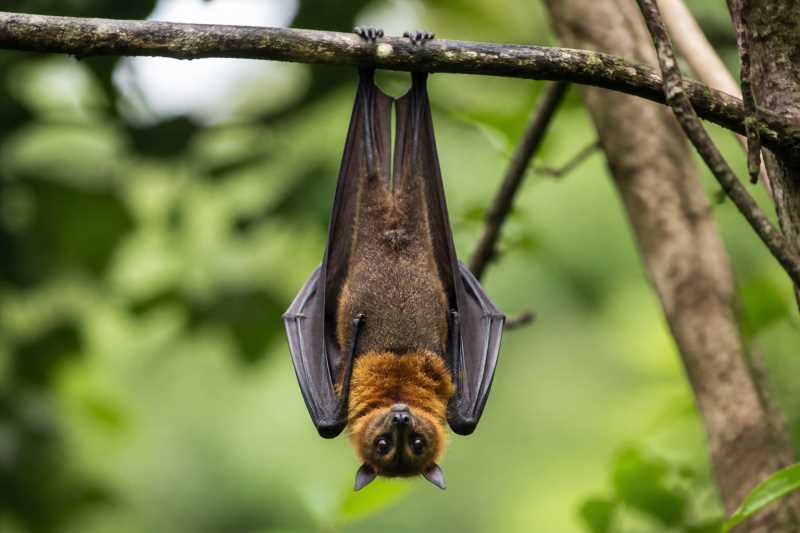
The Philippine Tube-nosed Fruit Bat is a medium-sized bat with a wingspan ranging from 28 to 30 centimeters. It typically weighs between 50 to 70 grams. Its most distinguishing feature is its tubular nostrils, which protrude outward and aid in scent detection, essential for locating ripe fruits. The bat’s fur is generally olive-brown with a mottled pattern, providing excellent camouflage among the foliage. Its large eyes are well-adapted for nocturnal activities, allowing it to navigate and forage efficiently at night. The ears are small and rounded, and unlike many bat species, it lacks a tail.
Range and Habitat
Nyctimene rabori is endemic to the Philippines, primarily found in the islands of Mindanao, Leyte, and Samar. It inhabits tropical and subtropical dry forests, as well as montane forests, which provide abundant resources and suitable roosting sites. The bat prefers areas with dense vegetation where it can easily hide from predators and find food. These bats are known to roost in tree hollows, under large leaves, and sometimes in caves, often at altitudes ranging from sea level up to 1,300 meters.
Behavior and Diet
The Philippine Tube-nosed Fruit Bat is primarily frugivorous, feeding on a variety of fruits such as figs, bananas, and other native fruit species. Its feeding habits contribute significantly to seed dispersal, thus playing a crucial role in maintaining forest biodiversity. These bats are typically solitary or found in small groups. They are nocturnal, foraging at night when they are less vulnerable to predators. During the day, they rest in secluded roosting sites, which offer protection and comfort. The species is known for its keen sense of smell, which is vital for locating ripe fruits.
Identification Tips (Field Recognition Cues)
Identifying the Philippine Tube-nosed Fruit Bat in the field can be a rewarding experience for wildlife enthusiasts. Key identification tips include:
- Nostril Shape: Look for the distinctive tube-shaped nostrils that are unique to this species.
- Fur Pattern: Note the olive-brown fur with mottled patterns, which provides effective camouflage.
- Behavior: Observe nocturnal foraging habits and solitary or small group roosting during the day.
- Habitat: Search in tropical forests with dense vegetation and near fruiting trees.
Conservation Status (with Threats and Protections)
The conservation status of the Philippine Tube-nosed Fruit Bat is classified as Endangered by the International Union for Conservation of Nature (IUCN). The primary threats to this species include habitat loss due to deforestation for agriculture, logging, and urban development. Additionally, hunting and capture for the illegal pet trade further exacerbate the decline in population. Efforts to protect this species include habitat preservation, legal protections under Philippine wildlife laws, and raising awareness about the bat’s ecological importance. Conservation programs aim to establish protected areas and promote sustainable land-use practices to ensure the survival of this unique species.
Frequently Asked Questions
1. What is the diet of the Philippine Tube-nosed Fruit Bat? The Philippine Tube-nosed Fruit Bat primarily feeds on fruits, including figs and bananas. Its frugivorous diet is crucial for seed dispersal in its habitat.
2. How can I identify a Philippine Tube-nosed Fruit Bat in the wild? Look for its distinctive tube-shaped nostrils, olive-brown mottled fur, and nocturnal behavior. It is often found in tropical forests roosting in tree hollows or under large leaves.
3. Why is the Philippine Tube-nosed Fruit Bat endangered? The primary threats include habitat loss due to deforestation, hunting, and the illegal wildlife trade. Conservation efforts focus on habitat protection and legal safeguards.
4. Where is the Philippine Tube-nosed Fruit Bat found? This species is endemic to the Philippines, primarily on the islands of Mindanao, Leyte, and Samar, inhabiting tropical and subtropical forests.
5. What role does the Philippine Tube-nosed Fruit Bat play in its ecosystem? It plays a vital role in pollination and seed dispersal, contributing to forest biodiversity and the health of its ecosystem.
Related posts