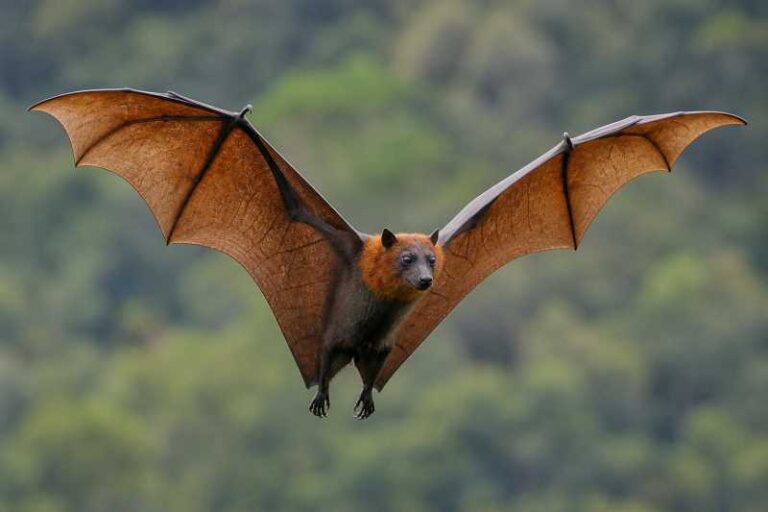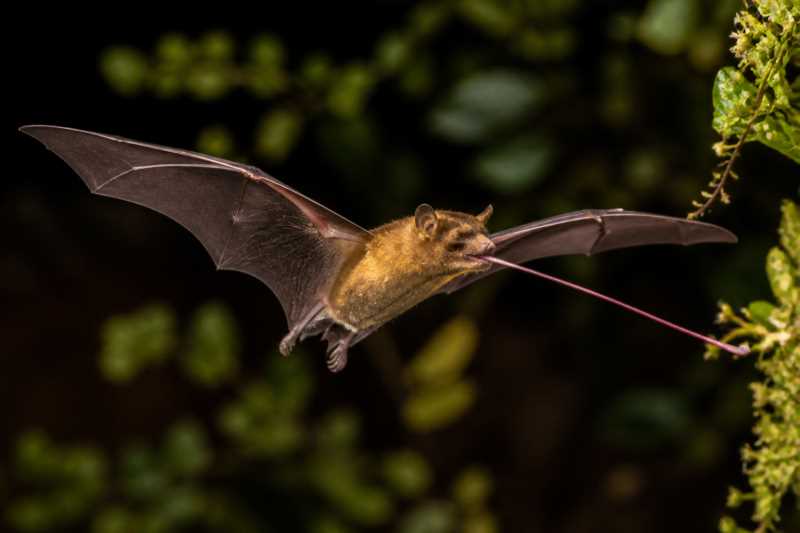
Greater Long-tongued Blossom Bat (Macroglossus sobrinus)
Introduction
The Greater Long-tongued Blossom Bat, scientifically known as Macroglossus sobrinus, is a fascinating species of bat found across various parts of Asia. Known for its extraordinary adaptation to feeding on nectar, this bat plays a crucial role in the pollination of many tropical plants. This article delves into the unique characteristics, behaviors, and conservation needs of this intriguing mammal.
Physical Description
The Greater Long-tongued Blossom Bat is a small-sized bat with a streamlined body adapted for efficient feeding on nectar. It typically weighs between 12 to 20 grams and has a wingspan ranging from 28 to 33 centimeters. Its most distinctive feature is the elongated snout and tongue, which are specially adapted for reaching nectar deep within flowers. The tongue can extend significantly beyond the snout, equipped with papillae that help in lapping up nectar.
The fur of Macroglossus sobrinus is usually a soft grayish-brown, providing camouflage among the foliage. Its ears are relatively small and rounded, while the eyes are large, aiding in night-time navigation and foraging. The wings are long and narrow, allowing for agile flight through dense vegetation.
Range and Habitat
The Greater Long-tongued Blossom Bat is distributed across Southeast Asia, with a range that includes southern China, Thailand, Vietnam, Malaysia, Indonesia, and the Philippines. These bats inhabit a variety of ecosystems, predominantly tropical and subtropical forests, but they can also be found in secondary forests, mangroves, and plantations.
They prefer areas where flowering plants are abundant, as their diet primarily consists of nectar and pollen. The availability of suitable roosting sites, such as dense foliage or tree hollows, is also a crucial factor in their habitat selection.
Behavior and Diet
These bats are primarily nocturnal, emerging at dusk to feed. Their diet is mainly composed of nectar and pollen, making them vital pollinators for many tropical plant species, including those of economic importance. The bats use their keen sense of smell and sight to locate flowers.
The feeding process involves hovering in front of a flower, much like a hummingbird, and using their long tongues to extract nectar. This feeding behavior results in the transfer of pollen from one flower to another, facilitating plant reproduction.
Greater Long-tongued Blossom Bats are known for their social behavior, often roosting in groups. They exhibit a high degree of site fidelity, frequently returning to the same roosting sites. Communication within the group is facilitated by a range of vocalizations and scent markings.
Identification Tips
Field identification of the Greater Long-tongued Blossom Bat can be challenging due to its nocturnal habits and small size. However, several characteristics can aid in its recognition:
- Long Snout and Tongue: The elongated snout and tongue are the most noticeable features, especially when the bat is feeding.
- Flight Pattern: Look for a hovering flight pattern near flowers, similar to that of a hummingbird.
- Fur Color: The soft grayish-brown fur can help distinguish it from other bat species in the region.
- Roosting Behavior: These bats are often found roosting in groups in dense foliage or tree hollows.
Conservation Status
The conservation status of the Greater Long-tongued Blossom Bat is currently listed as Least Concern by the IUCN Red List. However, they face several threats that could impact their populations in the future.
Threats
- Habitat Loss: Deforestation and land conversion for agriculture and urban development are major threats to their habitats.
- Pollution: Pesticide use in agricultural areas can reduce their food sources and have toxic effects.
- Climate Change: Alterations in climate patterns can affect the availability of flowering plants, impacting their food supply.
Protections
Conservation efforts focused on preserving natural habitats and promoting sustainable agricultural practices are essential for the long-term survival of this species. Protected areas and wildlife reserves play a vital role in safeguarding their habitats.
Frequently Asked Questions
What do Greater Long-tongued Blossom Bats eat?
Greater Long-tongued Blossom Bats primarily feed on nectar and pollen. They play a crucial role in pollinating tropical plants, including some economically important species.
Where can Greater Long-tongued Blossom Bats be found?
These bats are found across Southeast Asia, including countries like Thailand, Vietnam, Malaysia, Indonesia, and the Philippines. They inhabit tropical and subtropical forests, as well as mangroves and plantations.
How do Greater Long-tongued Blossom Bats contribute to the ecosystem?
As pollinators, these bats are essential for the reproduction of many tropical plants. Their feeding behavior facilitates cross-pollination, which is vital for plant diversity and ecosystem health.
What are the main threats to the Greater Long-tongued Blossom Bat?
The main threats include habitat loss due to deforestation, pesticide use, and climate change, all of which can impact their food sources and roosting sites.
How can we help conserve Greater Long-tongued Blossom Bats?
Conservation can be supported by protecting natural habitats, reducing pesticide use, and supporting sustainable land-use practices. Public awareness and education are also crucial in promoting bat conservation efforts.
Related posts