Introduction
Geoffroy’s Rousette, scientifically known as Rousettus amplexicaudatus, is a fascinating species of fruit bat belonging to the family Pteropodidae. Often found in the lush, tropical regions of Southeast Asia, this species plays a crucial role in the ecosystem as a pollinator and seed disperser. Their unique characteristics and behaviors make them a subject of interest not only for scientists but also for wildlife enthusiasts. This article delves into the various aspects of Geoffroy’s Rousette, from its physical description to its conservation status, providing a comprehensive overview of this remarkable mammal.
Physical Description
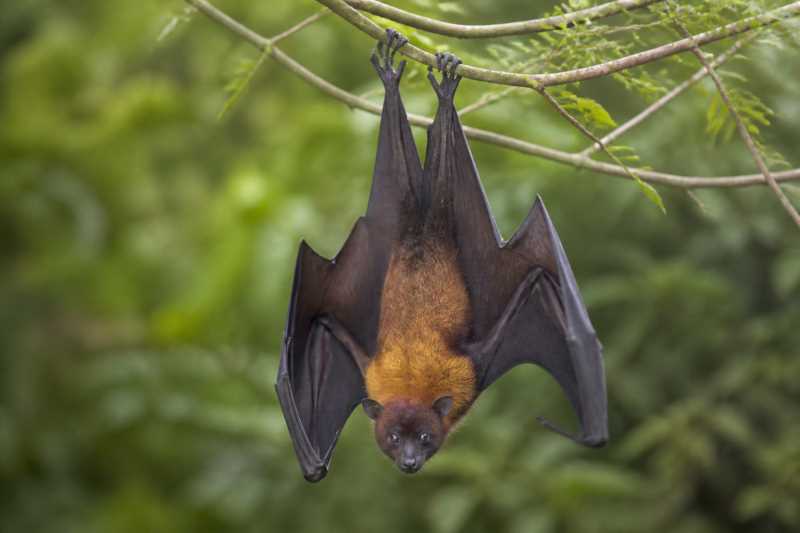
Geoffroy’s Rousette is a medium-sized bat characterized by its distinctive features that make it easily recognizable. Adults typically weigh between 80 to 120 grams and have a wingspan ranging from 60 to 80 centimeters. Their fur is generally a mix of grey and brown, with a lighter underbelly. The muzzle of this species is relatively long and slender, resembling that of a dog, which is a common trait among members of the Pteropodidae family.
One of the most striking features of Geoffroy’s Rousette is its large, round eyes, adapted for enhanced night vision, which is crucial for its nocturnal lifestyle. Unlike some other bats, this species has a rudimentary echolocation ability, mainly used for orientation and navigation rather than locating food. Their wings are long and narrow, designed for efficient flight, enabling them to cover large distances in search of food.
Range and Habitat
Geoffroy’s Rousette is widely distributed across Southeast Asia, with its range extending from the Philippines and Indonesia to Papua New Guinea and the Solomon Islands. This adaptability to various environments is a testament to their resilience and ecological versatility.
The preferred habitats of Geoffroy’s Rousette include tropical and subtropical forests, where fruit-bearing trees are abundant. They are also commonly found in mangroves, agricultural areas, and even urban settings where fruit trees are available. Roosting sites are generally located in caves, old mines, and other sheltered areas that provide protection from predators and harsh environmental conditions.
Behavior and Diet
Geoffroy’s Rousette is primarily nocturnal, spending the daylight hours roosting in large colonies that can number in the thousands. These colonies are highly social, with individuals communicating through a series of vocalizations and physical interactions. At dusk, they embark on foraging expeditions, utilizing their keen sense of smell and sight to locate food sources.
The diet of Geoffroy’s Rousette mainly consists of fruits, nectar, and flowers. They play a pivotal role in the pollination of certain plant species and the dispersal of seeds, contributing significantly to the maintenance of forest ecosystems. Commonly consumed fruits include figs, bananas, and papayas, as well as the nectar of various flowering plants.
Identification Tips (field recognition cues)
Identifying Geoffroy’s Rousette in the wild requires careful attention to several key characteristics:
- Size and Shape: Look for a medium-sized bat with a wingspan of 60 to 80 cm.
- Coloration: Note the greyish-brown fur with a lighter underbelly.
- Facial Features: Observe the long, slender muzzle and large, round eyes.
- Behavior: Active at night, often found flying near fruit trees or around flowering plants.
- Roosting Habits: Look for colonies in caves or other sheltered structures during the day.
Conservation Status (with threats and protections)
Geoffroy’s Rousette is currently classified as Least Concern by the International Union for Conservation of Nature (IUCN). However, like many other bat species, they face several threats that could impact their populations in the future.
Threats
- Habitat Loss: Deforestation and land conversion for agriculture and urban development have reduced the availability of natural roosting and feeding sites.
- Hunting and Exploitation: In some regions, these bats are hunted for food or captured for the pet trade.
- Disturbance: Human activities, such as cave tourism and mining, can disrupt roosting colonies.
Protections
Efforts to conserve Geoffroy’s Rousette include:
- Establishing protected areas that encompass key habitats.
- Promoting sustainable forestry and agriculture practices.
- Raising awareness about the ecological importance of fruit bats.
Frequently Asked Questions
What do Geoffroy’s Rousette bats eat?
Geoffroy’s Rousette primarily feeds on fruits, nectar, and flowers. They are known to consume figs, bananas, papayas, and various other fruit species.
Where can Geoffroy’s Rousette be found?
This species is found throughout Southeast Asia, including the Philippines, Indonesia, Papua New Guinea, and the Solomon Islands, primarily in tropical and subtropical forests.
How does Geoffroy’s Rousette contribute to the ecosystem?
Geoffroy’s Rousette plays a crucial role in pollination and seed dispersal, helping to maintain and regenerate forest ecosystems.
Are Geoffroy’s Rousette bats endangered?
Currently, Geoffroy’s Rousette is classified as Least Concern, but they face threats such as habitat loss and hunting, which could affect their populations in the future.
How can Geoffroy’s Rousette be identified in the wild?
Look for medium-sized bats with grey-brown fur, large eyes, and a long muzzle, often active at night around fruit trees.
Related posts