Asian Particolored Bat (Vespertilio sinensis)
Introduction
The Asian Particolored Bat, scientifically known as Vespertilio sinensis, is a fascinating species of vesper bat found across various parts of Asia. These bats are recognized for their unique fur patterns and play a crucial role in maintaining the ecological balance by controlling insect populations. As with many bat species, understanding the Asian Particolored Bat is essential for promoting biodiversity and ecosystem health.
Physical Description
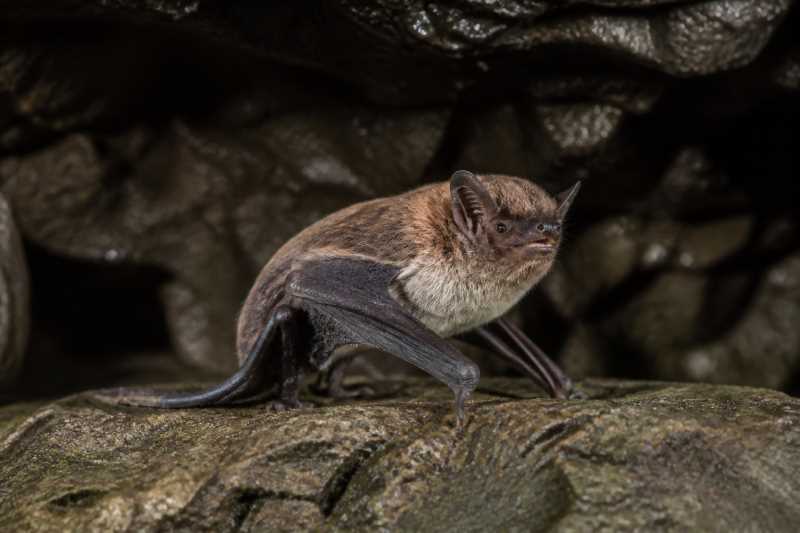
The Asian Particolored Bat is a medium-sized bat characterized by its distinct fur coloration, which is a mix of dark and light patterns, giving rise to its name. The dorsal side of the bat is typically dark brown or blackish, while the ventral side features a lighter, whitish coloration, creating a striking contrast. This distinctive coloration aids in its identification.
The bat has a wingspan ranging from 28 to 33 centimeters, and its body length is approximately 5 to 7 centimeters. The ears are relatively small compared to other bat species, and they have a slightly rounded shape. The Asian Particolored Bat’s nose is blunt, which is typical of the Vespertilionidae family.
Range and Habitat
The Asian Particolored Bat occupies a broad range across Asia, with its distribution extending from the Russian Far East through China, Korea, Japan, and parts of Southeast Asia. These bats are highly adaptable and can be found in various habitats, including forests, urban areas, and near bodies of water such as rivers and lakes.
During the breeding season, they are often found roosting in tree hollows, caves, and abandoned buildings. Their ability to thrive in different environments demonstrates their adaptability and resilience.
Behavior and Diet
Asian Particolored Bats are nocturnal and primarily insectivorous, feeding on a wide range of insects such as moths, beetles, and flies. They use echolocation to navigate and hunt for prey, emitting high-frequency calls that bounce off objects and return as echoes, allowing them to detect and capture insects with precision.
These bats are known for their social behavior, often forming colonies that can range from a few individuals to several hundred. During the day, they roost in sheltered areas, conserving energy and staying protected from predators.
Identification Tips
Identifying the Asian Particolored Bat in the field can be accomplished by observing the following characteristics:
- Fur Coloration: Look for the distinctive dark and light fur pattern, with darker dorsal and lighter ventral sides.
- Size: Medium-sized with a wingspan of 28 to 33 centimeters.
- Ears: Small and rounded in shape.
- Behavior: Active at night with agile flight patterns.
- Habitat: Presence in both urban and natural environments, often near water bodies.
Conservation Status
The conservation status of the Asian Particolored Bat is currently listed as Least Concern by the International Union for Conservation of Nature (IUCN). However, like many bat species, they face several threats, including habitat destruction, pollution, and human disturbance.
The loss of roosting sites due to deforestation and urbanization poses a significant threat to their populations. Additionally, the use of pesticides in agriculture can reduce insect prey availability, further impacting their survival.
Conservation efforts are focused on habitat protection, promoting awareness about the ecological role of bats, and reducing human-wildlife conflict. Legal protections in some countries help safeguard these bats and their habitats.
Frequently Asked Questions
1. Where can I find Asian Particolored Bats? Asian Particolored Bats can be found across various regions in Asia, including China, Korea, Japan, and Russia. They inhabit forests, urban areas, and regions near water bodies.
2. What do Asian Particolored Bats eat? These bats are insectivorous and primarily feed on insects like moths, beetles, and flies. They use echolocation to detect and capture their prey during nighttime foraging.
3. How do Asian Particolored Bats contribute to the ecosystem? Asian Particolored Bats play a vital role in controlling insect populations, thus maintaining ecological balance. Their presence helps reduce agricultural pests and contributes to biodiversity.
4. Are Asian Particolored Bats endangered? Currently, these bats are listed as Least Concern by the IUCN. However, they face threats from habitat loss and pollution, making conservation efforts important for their continued survival.
5. How can we help protect Asian Particolored Bats? Protecting their natural habitats, reducing pesticide use, and raising awareness about the importance of bats can aid in their conservation. Supporting legal protections and conservation initiatives is also crucial.
Related posts