Introduction
The Southern Forest Bat, scientifically named Vespadelus regulus, is a small and intriguing mammal that plays a valuable role in the ecosystems of southeastern Australia. As a member of the Vespertilionidae family, this species is one of the many microbats that contribute to insect population control while also being a subject of interest due to its unique adaptations and behaviors. This article delves into the physical characteristics, habitat, behavior, and conservation status of the Southern Forest Bat, providing a comprehensive overview for enthusiasts and researchers alike.
Physical Description
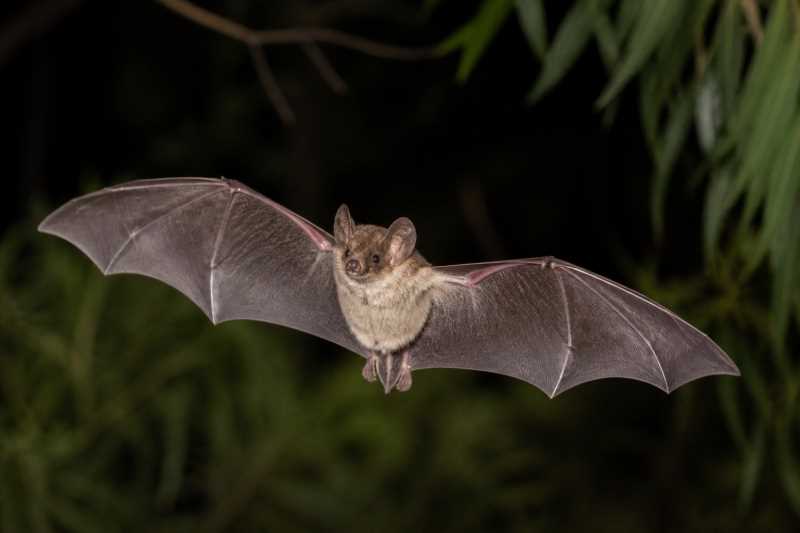
The Southern Forest Bat is notable for its small size, with an average body length ranging from 35 to 50 millimeters and a wingspan reaching up to 25 centimeters. This diminutive size is complemented by a lightweight body, typically weighing between 3.5 to 5 grams. Its fur is generally a pale to dark brown, providing effective camouflage against the bark and leaves of its forested habitat. The species exhibits a short, rounded snout and small, rounded ears, which aid in its echolocation abilities.
The wings of Vespadelus regulus are elongated and narrow, designed for agile and rapid flight, allowing it to maneuver through dense forests with ease. The bat’s tail is partially enclosed within the uropatagium, a membrane that extends between the hind limbs, offering additional control during flight. These physical adaptations are crucial for its survival, enabling the bat to exploit its environment efficiently.
Range and Habitat
Vespadelus regulus is predominantly found in the temperate and subtropical forests of southeastern Australia, including regions of Victoria, New South Wales, and Tasmania. The species thrives in a variety of forested environments, ranging from dense rainforests to sclerophyll forests and even coastal woodlands. It is particularly adapted to environments that provide abundant roosting sites and rich insect populations.
Roosting sites are crucial for the Southern Forest Bat, and these are typically located in tree hollows, under loose bark, or occasionally in man-made structures such as buildings and bridges. The availability of suitable roosting sites directly influences the distribution and population density of this species, making habitat conservation a priority for its survival.
Behavior and Diet
The Southern Forest Bat is primarily nocturnal, emerging at dusk to embark on foraging flights. It uses echolocation to navigate and hunt, emitting high-frequency calls that bounce off objects and return to the bat, allowing it to detect and capture insects with impressive precision. Its diet mainly consists of small flying insects such as moths, mosquitoes, and beetles, playing a crucial role in controlling these populations.
During the day, Vespadelus regulus rests in its roosting site, conserving energy for its nightly forays. The species is known for its social behavior, often roosting in small colonies, which can provide increased protection against predators and environmental fluctuations.
Identification Tips (field recognition cues)
Identifying the Southern Forest Bat in the field can be challenging due to its small size and nocturnal habits. However, certain features and behaviors can aid in its recognition:
- Size and Color: Look for a small bat with a pale to dark brown fur, measuring around 35 to 50 mm in body length.
- Flight Pattern: Observe its agile and rapid flight, often low to the ground or through dense vegetation.
- Echolocation Calls: Use a bat detector to pick up its high-frequency echolocation calls, which are distinct from those of larger bat species.
- Roosting Sites: During the day, check potential roosting sites such as tree hollows or under loose bark where colonies might be resting.
Conservation Status (with threats and protections)
The Southern Forest Bat is currently classified as Least Concern by the IUCN Red List, yet it faces several threats that could impact its populations in the future. Habitat destruction due to logging, agriculture, and urban development poses significant risks, leading to the loss of crucial roosting and foraging areas. Additionally, climate change and the associated shifts in weather patterns may disrupt its food availability and habitat conditions.
Conservation efforts are focused on preserving and restoring habitats, ensuring the protection of old-growth forests that provide essential roosting sites. Public awareness and education initiatives are also vital, highlighting the ecological importance of bats and the need to protect them. Legal protections in some regions further safeguard the habitats of Vespadelus regulus, though continued monitoring and research are necessary to adapt conservation strategies as environmental conditions change.
Frequently Asked Questions
1. What is the diet of the Southern Forest Bat?
The Southern Forest Bat primarily feeds on small flying insects, including moths, mosquitoes, and beetles. It uses echolocation to detect and capture these insects during its nightly foraging flights.
2. Where can I find Southern Forest Bats?
Southern Forest Bats are commonly found in the temperate and subtropical forests of southeastern Australia. They prefer habitats with abundant tree hollows and loose bark for roosting, such as rainforests and sclerophyll forests.
3. How do Southern Forest Bats contribute to the ecosystem?
These bats play a vital role in controlling insect populations, thereby helping to maintain ecological balance. Their predation on insects can reduce the spread of agricultural pests and insect-borne diseases.
4. What threats do Southern Forest Bats face?
The primary threats to Southern Forest Bats include habitat destruction due to logging, agriculture, and urbanization. Climate change also poses a potential risk by altering their habitat and food availability.
5. How can I help conserve Southern Forest Bats?
Supporting conservation organizations, promoting habitat protection, and participating in citizen science projects can help conserve these bats. Educating others about the ecological importance of bats is also crucial.
Related posts