Common Thick-thumbed Bat (Glischropus tylopus)
Introduction
The Common Thick-thumbed Bat, scientifically known as Glischropus tylopus, is a fascinating species of microbat belonging to the family Vespertilionidae. This bat is part of the diverse and widespread order Chiroptera, which encompasses all bat species. Known for its unique physical characteristics and ecological role within its habitat, the Common Thick-thumbed Bat is a subject of interest for both researchers and wildlife enthusiasts. Despite its importance in biodiversity, much about this species remains under-researched. This article delves into the various aspects of the Common Thick-thumbed Bat, from its physical description to its conservation status.
Physical Description
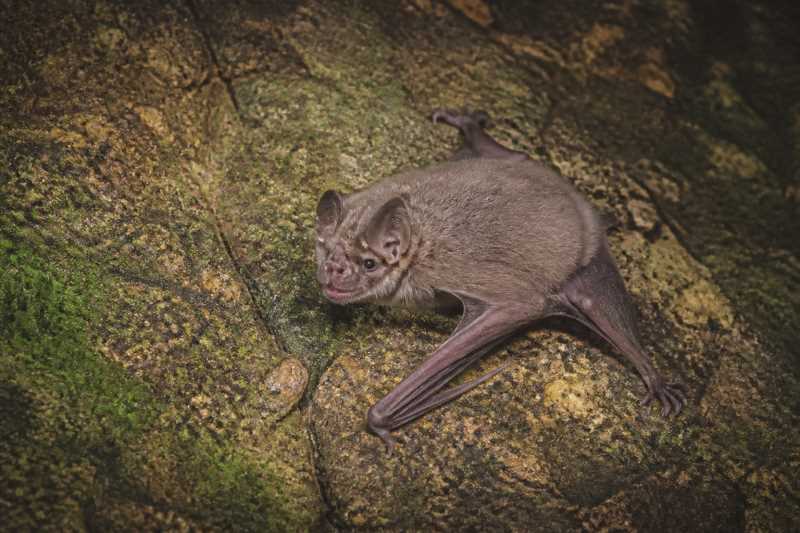
The Common Thick-thumbed Bat is a small bat species, with an average body length ranging from 40 to 50 millimeters and a wingspan that can extend up to 250 millimeters. As its name suggests, one of its most distinguishing features is the thickened thumbs, which are adapted to aid in its roosting behavior. The bat’s fur is generally a dark brown or blackish color on the dorsal side, while the ventral side is lighter, providing a degree of camouflage while roosting.
Its face is characterized by a relatively short muzzle and small, rounded ears that are typical of many vesper bats. The tragus, a small projection in the ear, is also short and rounded. The wings are long and narrow, which is typical for bats that rely on agility and quick maneuvers to catch their prey. The tail is encompassed within the interfemoral membrane, a feature that aids in flight stability.
Range and Habitat
The Common Thick-thumbed Bat is found primarily in Southeast Asia, with its range extending across countries such as Thailand, Malaysia, Indonesia, and parts of the Philippines. It is generally associated with lowland and montane tropical forests, where it occupies a variety of roosting sites, including tree hollows, caves, and man-made structures.
The species thrives in areas where there is a dense canopy, which offers protection from predators and harsh weather conditions. They are also known to inhabit agricultural areas, particularly those adjacent to forested regions, suggesting a level of adaptability to human-altered landscapes.
Behavior and Diet
The Common Thick-thumbed Bat is nocturnal, emerging at dusk to forage for food. It primarily feeds on insects, making it an important species for pest control within its habitat. Its diet mostly consists of moths, beetles, and other small arthropods, which it catches in flight using echolocation.
Echolocation is a sophisticated biological sonar system that allows the bat to navigate and hunt efficiently in complete darkness. The bat emits high-frequency sound waves that bounce off objects and return as echoes, helping it determine the size, shape, and distance of prey and obstacles.
Roosting behavior is communal, with individuals often found in small colonies. These colonies provide warmth and protection, and the social structure within them is complex, involving vocal communication and cooperative behaviors.
Identification Tips (Field Recognition Cues)
Identifying the Common Thick-thumbed Bat in the field requires attention to several key features:
- Thickened Thumbs: As the name suggests, the thickened thumbs are a primary identifying feature. These are visible when observing the bat at rest.
- Coloration: Look for the dark brown to blackish dorsal fur contrasted with lighter ventral fur.
- Size: Small body size, with a wingspan of up to 250 mm, is another cue.
- Echolocation Calls: Utilizing a bat detector tuned to the frequency range typical of vesper bats can help in detecting their presence.
- Roosting Habits: Observing potential roosting sites such as tree hollows and caves might increase the chance of spotting them.
Conservation Status (with Threats and Protections)
The International Union for Conservation of Nature (IUCN) currently classifies the Common Thick-thumbed Bat as Least Concern. However, like many bat species, it faces threats primarily from habitat loss due to deforestation and agricultural expansion.
Conservation efforts focus on habitat preservation and restoration. Protected areas within its range offer some level of security, but ongoing monitoring and research are necessary to ensure the species does not move towards a more threatened status. Public education and awareness campaigns are also crucial in promoting bat conservation and dispelling myths that often lead to unnecessary culling.
Frequently Asked Questions
1. What is the primary diet of the Common Thick-thumbed Bat?
The Common Thick-thumbed Bat primarily feeds on insects, including moths and beetles. It is an insectivorous species that plays a crucial role in controlling pest populations in its ecosystem.
2. Where can the Common Thick-thumbed Bat be found?
This species is typically found in Southeast Asia, particularly within the lowland and montane forests of Thailand, Malaysia, Indonesia, and parts of the Philippines. They are adaptable and can also be found in agricultural areas adjoining forests.
3. How does the Common Thick-thumbed Bat navigate and hunt?
The bat uses echolocation to navigate and hunt. It emits high-frequency sounds that bounce off objects, returning as echoes that provide information about the environment and prey.
4. What are the major threats to the Common Thick-thumbed Bat?
The primary threats include habitat loss due to deforestation and agricultural expansion. Conservation efforts aim to protect their natural habitats and ensure sustainable population levels.
5. How can one identify a Common Thick-thumbed Bat in the field?
Key identification features include its thickened thumbs, small size, dark brown to blackish fur, and the use of echolocation calls. Observing their roosting sites such as tree hollows and caves can also aid in identification.
Related posts