Orange-fingered Myotis (Myotis rufopictus): A Comprehensive Guide
Introduction
The Orange-fingered Myotis, scientifically known as Myotis rufopictus, is a fascinating yet lesser-known species of bat within the Vespertilionidae family. This species is distinguished by its unique physical characteristics and ecological role. Found predominantly in Southeast Asia, the Orange-fingered Myotis plays a vital part in maintaining the balance of its ecosystems through its diet and behavior. In this article, we will delve into the various aspects of this intriguing mammal, including its physical description, habitat preferences, behavioral patterns, and conservation status.
Physical Description
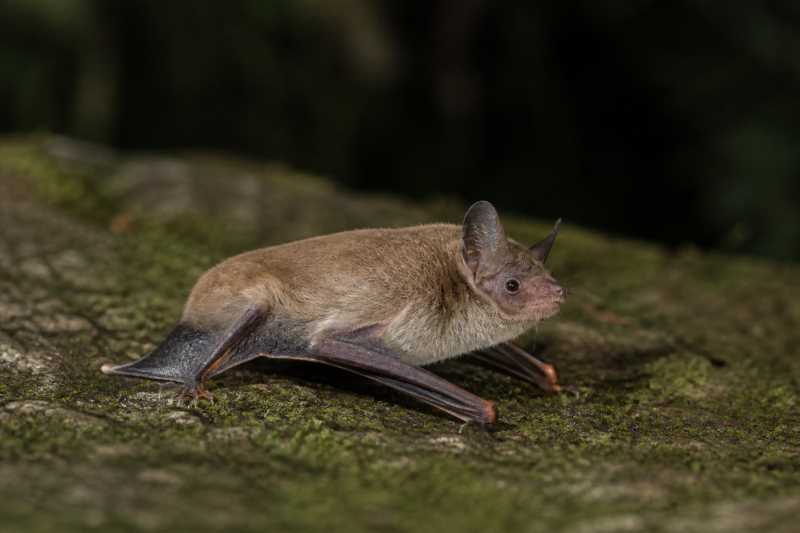
The Orange-fingered Myotis is aptly named for the distinctive orange hue found on its fingers and parts of its wings. This coloration provides a striking contrast to the rest of its body, which is typically covered in dark brown to black fur. The fur is generally short and dense, providing insulation and protection during flight.
The average adult Orange-fingered Myotis has a wingspan of approximately 25 to 30 centimeters, and its body length ranges from 4 to 5 centimeters. It has a relatively small and compact body, which is typical of many bat species, allowing for agile flight and maneuverability. The ears are medium-sized, rounded, and equipped with a tragus, a feature that assists in echolocation.
The face of the Orange-fingered Myotis is often described as delicate, with a short but pronounced muzzle and small eyes adapted for low-light conditions. The tail is partially enclosed within the tail membrane, which enhances its aerial capabilities and agility.
Range and Habitat
The Orange-fingered Myotis is primarily found in the tropical and subtropical regions of Southeast Asia. Its range includes countries such as the Philippines, Malaysia, and parts of Indonesia. This species thrives in a variety of habitats, from dense rainforests to mangrove swamps and even agricultural areas where it can find abundant food sources.
The species is known to roost in caves, tree hollows, and sometimes man-made structures. Roosting sites are typically chosen based on their proximity to food sources and the level of protection they provide from predators and environmental elements.
Behavior and Diet
The Orange-fingered Myotis is a nocturnal creature, primarily active during the night when it forages for food. Its diet mainly consists of insects, which it catches in flight using its acute sense of echolocation. This method involves emitting high-frequency sound waves that bounce off objects, allowing the bat to navigate and locate prey with remarkable precision.
Socially, the Orange-fingered Myotis is known to form colonies, which can range from a few individuals to several hundred. These colonies offer safety in numbers, helping to reduce the risk of predation. Communication within colonies is facilitated through a series of vocalizations and physical interactions.
Identification Tips (Field Recognition Cues)
Identifying the Orange-fingered Myotis in the field can be challenging due to its nocturnal habits and the presence of similar species. However, there are several key characteristics to look for:
- Coloration: Look for the distinctive orange hue on the fingers and parts of the wings.
- Size: Note the small, compact body and the relatively short wingspan of 25 to 30 centimeters.
- Ears and Tragus: The rounded ears and prominent tragus are essential for echolocation and can aid in identification.
- Flight Pattern: Observe the agile and acrobatic flight, typical of insectivorous bats.
Conservation Status (with Threats and Protections)
Currently, the Orange-fingered Myotis is classified as Near Threatened on the IUCN Red List. The primary threats to this species include habitat destruction due to deforestation, agricultural expansion, and urban development. Additionally, disturbances at roosting sites, such as cave tourism and mining activities, pose significant risks.
Conservation efforts are being implemented to protect the Orange-fingered Myotis and its habitat. These include legal protections for critical habitats, the establishment of protected areas, and community-based conservation initiatives aimed at promoting sustainable practices.
Frequently Asked Questions
What do Orange-fingered Myotis bats eat?
Orange-fingered Myotis bats primarily feed on insects. They use echolocation to hunt and capture their prey during nocturnal foraging activities.
Where can you find the Orange-fingered Myotis?
This species is found in Southeast Asia, including the Philippines, Malaysia, and parts of Indonesia. It inhabits rainforests, mangroves, and agricultural areas.
How does the Orange-fingered Myotis contribute to its ecosystem?
By controlling insect populations, the Orange-fingered Myotis plays a crucial role in maintaining ecological balance and reducing the spread of insect-borne diseases.
What are the main threats to the Orange-fingered Myotis?
The main threats include habitat destruction, disturbances at roosting sites, and the impacts of agricultural and urban development.
How can we help conserve the Orange-fingered Myotis?
Conservation efforts include protecting habitats, establishing protected areas, and supporting sustainable agricultural and forestry practices.
Related posts