Introduction
The Bornean Woolly Bat, scientifically known as Kerivoula pusilla, is a fascinating species within the Vespertilionidae family. This diminutive mammal is a testament to the incredible diversity of bats found on the island of Borneo. Despite being lesser-known compared to some of its larger cousins, the Bornean Woolly Bat offers a unique window into the complex ecosystems of Southeast Asia. In this article, we delve into the physical characteristics, habitat preferences, behaviors, and conservation status of this intriguing species.
Physical Description
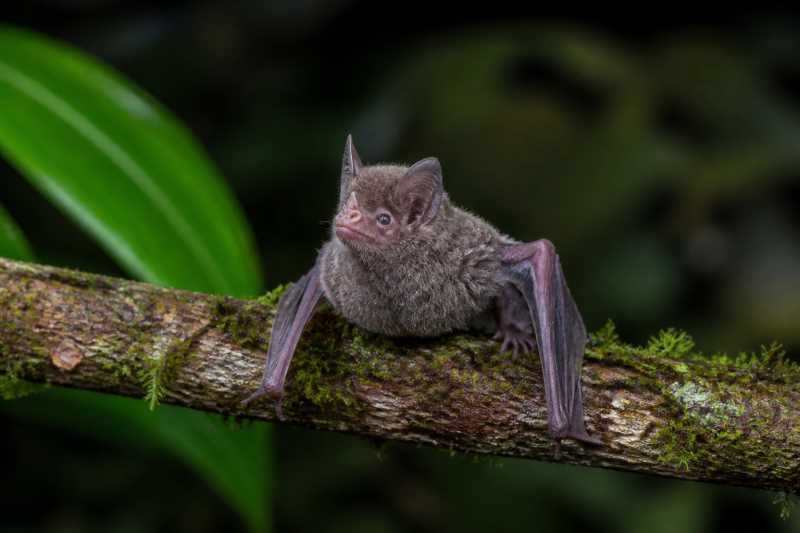
The Bornean Woolly Bat is aptly named due to its distinctive fur, which is both woolly and dense. This feature is particularly advantageous as it provides insulation in the variable climates of its native habitat. Adult bats of this species typically measure between 35 to 50 millimeters in length, with a wingspan ranging from 150 to 200 millimeters. The weight of these bats is surprisingly light, generally between 3 to 5 grams, which aids in their agile flight patterns.
The coloration of their fur may vary slightly, but it is generally a blend of brown and gray, allowing them to blend seamlessly into their surroundings. Their ears are relatively large and rounded, a trait that enhances their acute sense of hearing, crucial for echolocation. The wings of the Bornean Woolly Bat are long and narrow, facilitating swift and maneuverable flight through dense forest canopies.
Range and Habitat
As its name suggests, the Bornean Woolly Bat is endemic to Borneo, one of the largest islands in the world, shared by Malaysia, Indonesia, and Brunei. Within this region, these bats are typically found in lowland tropical forests, but they may also inhabit montane forests at higher elevations.
These bats prefer roosting in tree hollows, dense foliage, or occasionally in man-made structures that mimic their natural environment. Their choice of habitat is closely linked to the availability of food sources and suitable roosting sites, highlighting the importance of forest conservation in maintaining their populations.
Behavior and Diet
Bornean Woolly Bats are nocturnal creatures, emerging at dusk to embark on foraging expeditions. Their diet primarily consists of small insects, which they skillfully catch in mid-air using echolocation. The bats emit high-frequency sounds that bounce off objects and return as echoes, allowing them to construct a detailed sonic map of their surroundings.
Socially, these bats are known to be somewhat solitary, although they may be found in small groups during certain periods. Roosting sites are occasionally shared, which provides added protection from predators. Their reproductive cycle is not well-documented, but like many bat species, they likely have a low reproductive rate, which can impact population recovery if numbers decline.
Identification Tips (Field Recognition Cues)
Identifying the Bornean Woolly Bat in the field can be challenging due to its small size and elusive nature. However, there are several key characteristics that can aid in recognition:
- Size and Fur: Look for a small bat with thick, woolly fur. The coloration typically blends with the forest environment, making close observation necessary.
- Echolocation Calls: Use a bat detector to identify their specific echolocation frequency, which is higher than many other bat species.
- Roosting Behavior: Check tree hollows and dense foliage for roosting individuals, especially at dusk and dawn when they are most active.
- Flight Pattern: Observe their flight patterns, which are rapid and agile, a trait that helps in navigating through dense forest canopies.
Conservation Status (With Threats and Protections)
The Bornean Woolly Bat is currently classified as "Least Concern" by the International Union for Conservation of Nature (IUCN). However, this status does not mean that the species is free from threats. Habitat loss, primarily due to deforestation for agriculture and palm oil plantations, poses a significant risk to their populations.
Conservation efforts are underway in Borneo to protect the diverse ecosystems that these bats call home. Protected areas and national parks play a crucial role in preserving their natural habitats. Additionally, efforts to promote sustainable land-use practices are essential in mitigating the impacts of deforestation.
Public education and awareness campaigns can further aid in the conservation of not just the Bornean Woolly Bat, but the myriad other species that share their habitat.
Frequently Asked Questions
What is the primary habitat of the Bornean Woolly Bat?
The Bornean Woolly Bat primarily inhabits lowland tropical forests in Borneo, although they can also be found in montane forests at higher elevations.
How does the Bornean Woolly Bat use echolocation?
These bats emit high-frequency sounds that bounce off objects and return as echoes, allowing them to construct a detailed sonic map of their surroundings and catch insects.
What are the major threats to the Bornean Woolly Bat?
The primary threat is habitat loss due to deforestation for agriculture and palm oil plantations, which reduces available roosting and foraging sites.
How can we help in the conservation of the Bornean Woolly Bat?
Supporting sustainable land-use practices, promoting conservation areas, and spreading awareness about the species are key to aiding in their conservation.
Are Bornean Woolly Bats social animals?
They are generally solitary but may be found in small groups during certain periods, often sharing roosting sites for added protection.
Related posts