Wroughton’s Giant Mastiff Bat: An In-depth Look
Introduction
The Wroughton’s giant mastiff bat, scientifically known as Otomops wroughtoni, is a fascinating species of bat known for its impressive size and unique characteristics. Named after the renowned British officer and zoologist Major C. Wroughton, this bat species has intrigued scientists and bat enthusiasts alike since its discovery. Found in specific regions of South Asia, the Wroughton’s giant mastiff bat is not only a subject of interest due to its rarity but also because of the critical conservation efforts needed to ensure its survival.
Physical Description
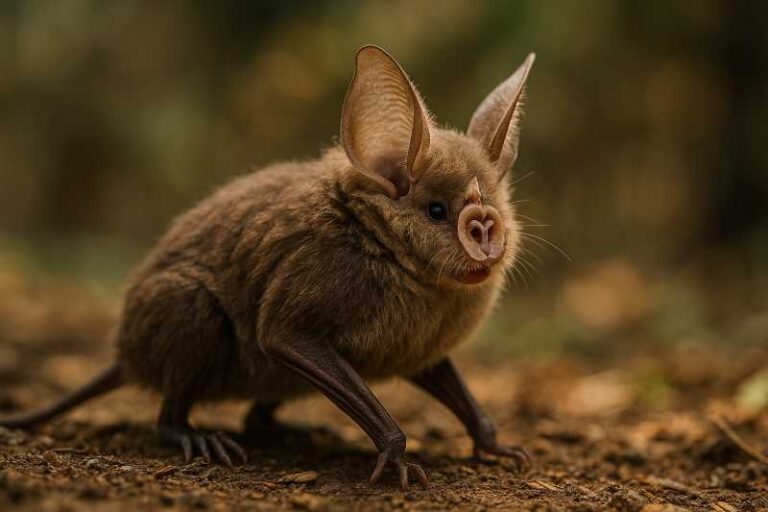
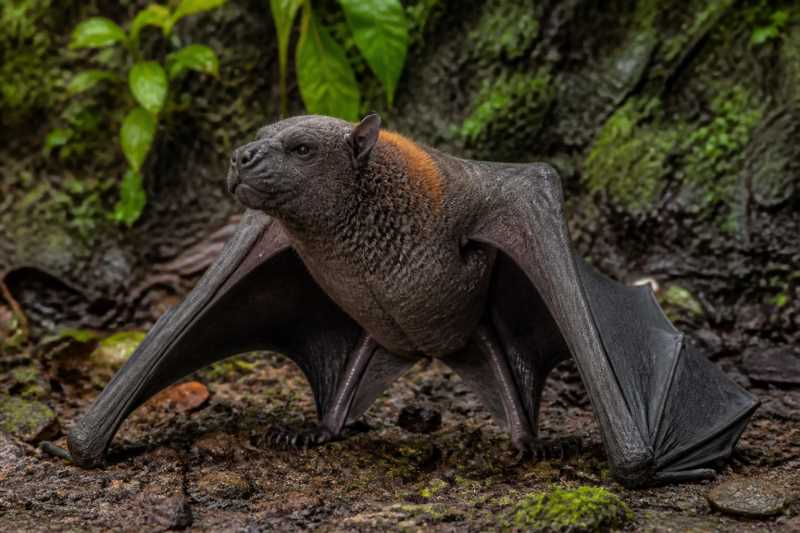
Wroughton’s giant mastiff bat is one of the largest bats within the family Molossidae. It possesses a robust and muscular body, with a wingspan that can reach up to 45 centimeters. This impressive wingspan aids in its agile flight and ability to cover vast distances while foraging. The bat’s fur is typically dark brown to black, providing excellent camouflage in the caves and crevices it calls home. Its ears are large and funnel-shaped, attributes that enhance its echolocation abilities, allowing it to navigate and hunt in complete darkness.
One of the distinguishing features of the Wroughton’s giant mastiff bat is its elongated muzzle, which resembles that of a mastiff dog, hence the name. This structural adaptation is believed to aid in echolocation and sensory perception. The powerful jaws and sharp teeth of the bat are essential for its insectivorous diet.
Range and Habitat
The Wroughton’s giant mastiff bat is primarily found in a few isolated locations in South Asia, including parts of India and Southeast Asia. Its range is limited, which has contributed to its status as a rare and elusive species. The bat predominantly inhabits dry deciduous forests and rocky outcrops that provide plenty of crevices and caves for roosting.
In India, the bat is known to inhabit the Western Ghats, a biodiversity hotspot that offers the ideal environment for its survival. The availability of undisturbed caves and the rich insect population in these areas provide the perfect habitat for the Wroughton’s giant mastiff bat.
Behavior and Diet
Wroughton’s giant mastiff bat is a nocturnal creature, emerging from its roost at dusk to embark on foraging flights. It is predominantly insectivorous, feeding on a variety of nocturnal insects, including moths and beetles. Its hunting technique involves rapid and agile flight, utilizing echolocation to detect and capture prey mid-air.
The social structure of this bat species is not well-documented due to its elusive nature. However, like many bat species, it is believed that Wroughton’s giant mastiff bats roost in small colonies. These colonies may consist of a few individuals to several dozen bats, depending on the availability of suitable roosting sites.
Identification Tips (Field Recognition Cues)
Identifying Wroughton’s giant mastiff bat in the field can be challenging due to its nocturnal habits and preference for secluded habitats. However, there are several key features to look for:
- Size and Wingspan: The large size and expansive wingspan are distinguishing features. Observers should look for a bat with a wingspan of approximately 45 centimeters.
- Fur Color: The dark brown to black fur is a characteristic feature, providing camouflage against rocky surfaces and dark environments.
- Characteristic Ears: The bat’s funnel-shaped ears are a notable identification cue, aiding in its echolocation abilities.
- Flight Pattern: Observing the bat’s flight pattern can also aid identification. Wroughton’s giant mastiff bats exhibit rapid, agile flight, often flying in straight lines or making swift turns while hunting.
Conservation Status (With Threats and Protections)
The Wroughton’s giant mastiff bat is currently classified as "Endangered" on the IUCN Red List. This designation stems from its limited distribution, habitat loss, and the fragmentation of its natural environment.
Threats
- Habitat Destruction: Deforestation and land-use changes in the Western Ghats and other regions have led to significant habitat loss for the bat.
- Disturbance of Roosting Sites: Human activities, such as cave tourism and mining, have disturbed critical roosting sites, impacting bat populations.
- Climate Change: Alterations in climate patterns can affect the availability of prey and suitable roosting conditions.
Protections
Efforts to conserve the Wroughton’s giant mastiff bat involve protecting its natural habitat through the establishment of protected areas and wildlife sanctuaries. Conservationists are working to promote awareness and implement strategies that mitigate human impact on critical habitats. Further research is essential to understand the bat’s ecology and inform conservation strategies.
Frequently Asked Questions
What is the Wroughton’s giant mastiff bat’s preferred habitat?
Wroughton’s giant mastiff bat prefers dry deciduous forests and rocky outcrops with ample caves and crevices for roosting. These habitats provide protection and abundant food sources.
How can I identify Wroughton’s giant mastiff bat in the wild?
Look for a large bat with a wingspan of about 45 centimeters, dark brown to black fur, funnel-shaped ears, and a characteristic flight pattern. Observing these features can help in identification.
Why is the Wroughton’s giant mastiff bat endangered?
The bat is endangered due to habitat destruction, disturbance of roosting sites, and climate change, which have led to a decline in its population and habitat availability.
What do Wroughton’s giant mastiff bats eat?
These bats are insectivorous, feeding primarily on nocturnal insects like moths and beetles, which they catch in flight using echolocation.
Are there any conservation efforts in place for Wroughton’s giant mastiff bat?
Yes, conservation efforts include habitat protection, awareness campaigns, and research initiatives to better understand the species and develop effective conservation strategies.
Related posts