Introduction
The Southern Black Mastiff Bat, scientifically known as Molossus fluminensis, is a fascinating mammal species belonging to the Molossidae family. These bats are a part of the New World free-tailed bats and are notable for their unique adaptations and ecological significance. As nocturnal creatures, they play a pivotal role in pest control and contribute significantly to maintaining ecological balance. This article explores various aspects of the Southern Black Mastiff Bat, including its physical characteristics, habitat, behavior, diet, and conservation status.
Physical Description
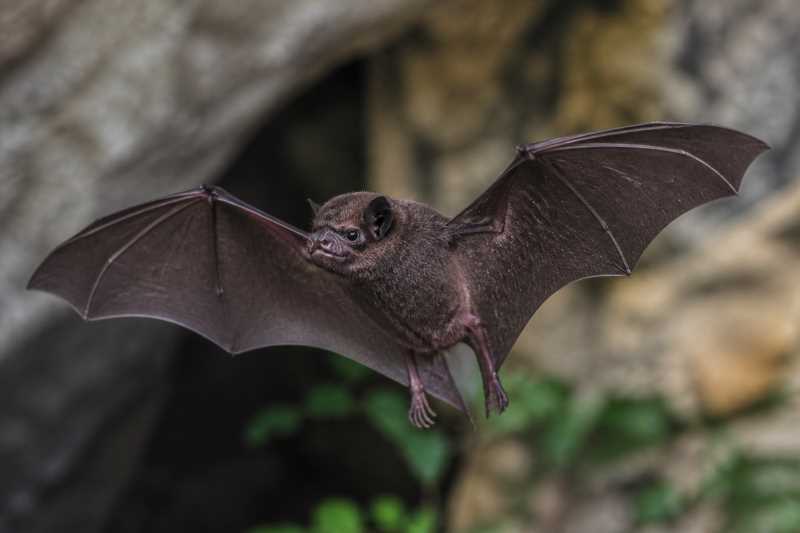
The Southern Black Mastiff Bat is characterized by its sleek, aerodynamic body, which aids in its swift flight. It displays a predominantly black or dark brown fur, which is short and smooth, helping minimize air resistance during flight. Adult bats typically measure between 9 and 11 centimeters in body length, with a wingspan ranging from 30 to 35 centimeters, making them medium-sized in comparison to other bat species.
The species possesses elongated wings with a distinctive free tail that extends beyond the tail membrane, a hallmark feature of free-tailed bats. Their ears are rounded and slightly forward-facing, facilitating acute hearing essential for echolocation. Their sharp, pointed teeth are adapted for their insectivorous diet.
Range and Habitat
Molossus fluminensis is predominantly found in the southern regions of Brazil, although its range can extend into neighboring regions under suitable environmental conditions. These bats favor warm, tropical climates and are commonly found in urban areas, forest edges, and savannas. They often roost in man-made structures such as buildings, attics, and bridges, as well as natural sites like caves and hollow trees.
The adaptability of the Southern Black Mastiff Bat to various roosting environments highlights its resilience and ability to thrive amidst human expansion. However, their preference for roosting in urban areas often brings them into close contact with human populations, which can have both positive and negative implications.
Behavior and Diet
These bats are nocturnal, emerging from their roosts at dusk to feed. They exhibit a highly social behavior, often roosting in colonies that can number in the hundreds. This social structure is beneficial for thermoregulation and protection against predators.
The diet of the Southern Black Mastiff Bat primarily consists of insects, making it an invaluable natural pest control agent. Using echolocation, they hunt a variety of nocturnal insects, including moths, beetles, and mosquitoes. Their hunting is not only crucial for their survival but also aids in controlling agricultural pests, benefitting local ecosystems and human agricultural practices.
Identification Tips (Field Recognition Cues)
Identifying the Southern Black Mastiff Bat in the field requires observing several key features:
- Coloration: Look for their characteristic dark brown to black fur, which can appear shiny and smooth.
- Size: Note their medium size, with a wingspan of 30-35 centimeters.
- Flight Pattern: Observe their flight, which is fast and direct, aided by their long, narrow wings and free tail.
- Ears and Tail: Identify the rounded ears and the tail protruding beyond the tail membrane, typical of free-tailed bats.
- Roosting Habits: They are often found in urban settings, roosting in buildings, which can help differentiate them from other bat species.
Conservation Status (with Threats and Protections)
Currently, the Southern Black Mastiff Bat is not listed as threatened on the IUCN Red List, largely due to its wide distribution and adaptability to various habitats. However, several factors pose threats to its populations, including habitat destruction, urbanization, and pesticide use, which can reduce insect prey availability.
Conservation efforts for this species focus on habitat preservation and promoting biodiversity-friendly practices in urban and agricultural areas. Protecting their roosting sites, especially in urban environments, is crucial for their conservation. Public education on the ecological benefits of bats can also foster co-existence and reduce human-wildlife conflicts.
Frequently Asked Questions
What do Southern Black Mastiff Bats eat?
Southern Black Mastiff Bats primarily feed on insects. They are insectivores, utilizing echolocation to hunt moths, beetles, mosquitoes, and other nocturnal insects, which helps control pest populations.
Where can I find Southern Black Mastiff Bats?
Molossus fluminensis is commonly found in southern Brazil, particularly in urban areas, forest edges, and savannas. They roost in buildings, caves, and hollow trees.
How does the Southern Black Mastiff Bat contribute to the ecosystem?
These bats are vital for natural pest control, consuming large quantities of insects and thus aiding in agricultural pest management. Their presence supports biodiversity and ecological balance.
Are Southern Black Mastiff Bats endangered?
Currently, Southern Black Mastiff Bats are not considered endangered. However, threats such as habitat loss and pesticide use pose potential risks to their populations.
How can I help protect Southern Black Mastiff Bats?
Supporting conservation efforts, promoting awareness about their ecological role, and advocating for biodiversity-friendly urban planning can help protect these bats. Ensuring safe roosting sites in urban areas is also essential.
Related posts