Introduction
The Little Yellow-shouldered Bat (Sturnira lilium) is a fascinating species of bat that belongs to the family Phyllostomidae, commonly known as the leaf-nosed bats. These bats are an integral part of the ecosystems they inhabit, playing crucial roles in pollination and seed dispersal. Despite their small size, these mammals have garnered significant interest among biologists and conservationists alike, due to their unique adaptations and behaviors.
The species is widely distributed across Central and South America, demonstrating a remarkable ability to thrive in diverse environmental conditions. This adaptability, however, does not make them immune to threats posed by habitat destruction and climate change. Understanding the Little Yellow-shouldered Bat’s ecology and behavior is essential for developing effective conservation strategies.
Physical Description
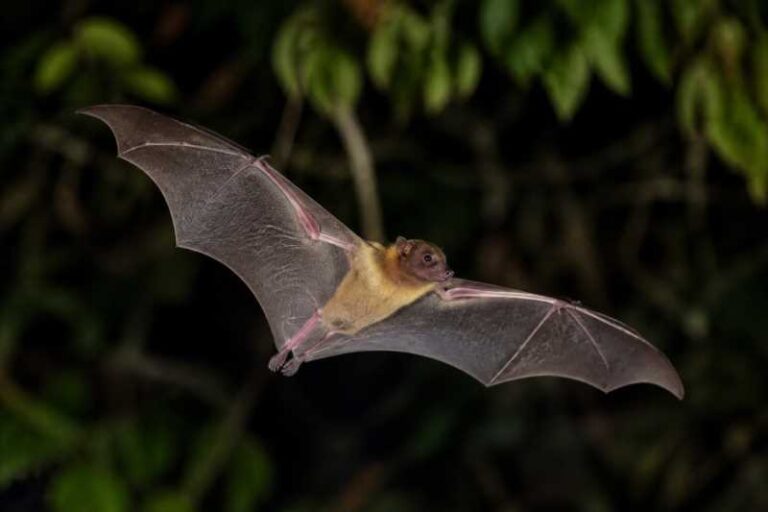
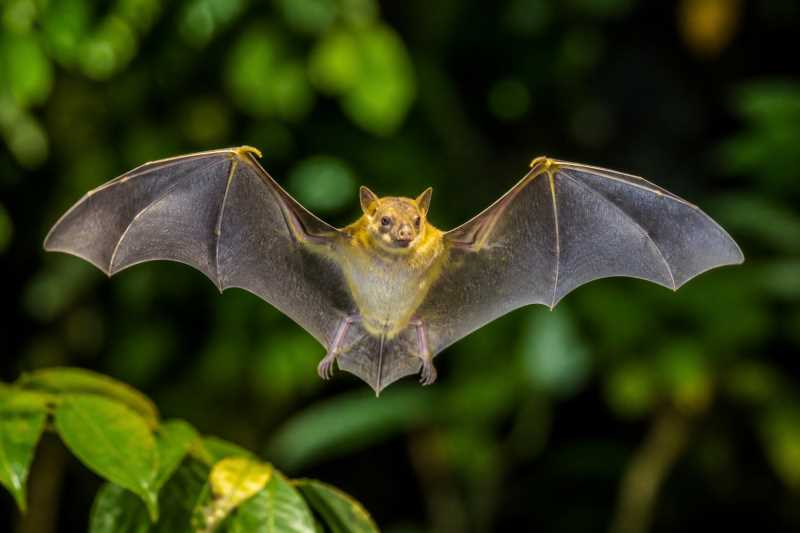
The Little Yellow-shouldered Bat is a medium-sized bat, with a forearm length ranging from 35 to 45 millimeters and a weight of approximately 17 to 25 grams. The species is named for the yellowish or orange patches located on the shoulders of males, which are less distinct or absent in females. These unique shoulder patches are formed by specialized glands and are believed to play a role in social and reproductive behaviors.
Their fur is generally soft and dense, typically exhibiting a brownish to grayish color on the dorsal side and lighter shades of gray or cream on the ventral side. The face is characterized by a short, broad snout and a noticeable nose leaf, a common trait among leaf-nosed bats, which aids in echolocation. Their ears are relatively small and rounded, with no significant distinguishing features.
Range and Habitat
Sturnira lilium is widely distributed from southern Mexico through Central America and into South America, reaching as far south as Argentina. This broad range highlights its adaptability to various habitats, including tropical rainforests, dry forests, and even human-altered landscapes such as agricultural areas and urban regions.
The Little Yellow-shouldered Bat prefers lowland and montane forests, where it can find ample fruit resources. However, it is also known to inhabit areas of secondary growth and fragmented forests, which are becoming increasingly common due to human activities. This adaptability to diverse habitats is crucial for its survival, especially in regions where environmental conditions are rapidly changing.
Behavior and Diet
The Little Yellow-shouldered Bat is primarily frugivorous, feeding on a wide variety of fruits, which makes it an important seed disperser for many plant species. Its diet includes fruits from plants such as figs, Piper species, and Solanum species. Occasionally, it may also consume nectar and pollen, thus contributing to pollination.
These bats are nocturnal and exhibit a crepuscular foraging activity, being most active during the early hours of the night and just before dawn. During the day, they roost in small groups in tree hollows, caves, and occasionally in man-made structures. Their social structure is not well-documented, but it is believed that they may exhibit a form of harem organization, with one male roosting with several females.
Identification Tips
Identifying the Little Yellow-shouldered Bat in the field requires attention to several key characteristics:
- Shoulder Patches: Look for the distinctive yellowish or orange shoulder patches on males, which are a defining feature of the species.
- Nose Leaf: The presence of a small, leaf-shaped structure on the nose is a primary identifier of the Phyllostomidae family.
- Size and Fur: Note the medium size and the coloration of the fur, with darker dorsal and lighter ventral shades.
- Behavior: Observe their foraging behavior and flight patterns during dusk and dawn, which can help differentiate them from other bat species.
Conservation Status
The Little Yellow-shouldered Bat is currently listed as a species of Least Concern by the International Union for Conservation of Nature (IUCN). This classification is due to its wide distribution and presumed large population. However, it faces threats from habitat loss due to deforestation, agricultural expansion, and urbanization.
Conservation efforts for Sturnira lilium focus on preserving its natural habitats and promoting sustainable agricultural practices that minimize environmental degradation. Protected areas and national parks play a vital role in safeguarding essential habitats for these bats and many other species.
Frequently Asked Questions
What do Little Yellow-shouldered Bats eat?
Little Yellow-shouldered Bats primarily eat fruits, such as figs and Piper species, and occasionally consume nectar and pollen.
Where can I find Little Yellow-shouldered Bats?
These bats are found from southern Mexico to Argentina, inhabiting tropical and montane forests, as well as altered landscapes.
How do Little Yellow-shouldered Bats contribute to the ecosystem?
They play a significant role in seed dispersal and pollination, aiding in the regeneration of forests and the maintenance of plant diversity.
Are Little Yellow-shouldered Bats endangered?
Currently, they are classified as Least Concern, but habitat destruction poses a threat to their populations.
How can I identify a Little Yellow-shouldered Bat?
Look for the yellowish shoulder patches on males, the presence of a nose leaf, and their medium size and coloration.
Related posts