Anderson’s Shrew Mole (Uropsilus andersoni): A Comprehensive Guide
Introduction
Anderson’s Shrew Mole (Uropsilus andersoni) is a fascinating yet elusive mammalian species found in Asia. Belonging to the family Talpidae, this small mammal is a unique member of the shrew mole group, characterized by its distinct physical traits and ecological behaviors. Despite its elusive nature, Anderson’s Shrew Mole plays a crucial role in its ecosystem, contributing to soil aeration and pest control.
This article delves into the intricate details of Anderson’s Shrew Mole, covering its physical description, habitat, behavior, diet, and conservation status. Whether you’re a wildlife enthusiast, a researcher, or simply curious about this unique mammal, you’ll find valuable insights here.
Physical Description
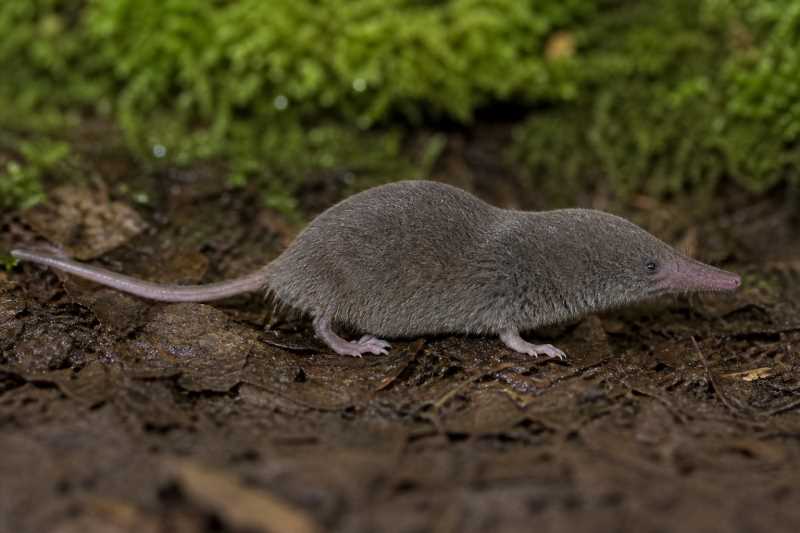
Anderson’s Shrew Mole is a small mammal, typically measuring 10 to 12 centimeters in length, with a weight ranging between 15 to 20 grams. One of its most distinctive features is its elongated, flexible snout, which it uses to forage for food. The snout is equipped with highly sensitive tactile hairs that aid in detecting prey underground.
The fur of Anderson’s Shrew Mole is dense and velvety, providing insulation against cold temperatures and protection from the dampness of its subterranean habitat. The fur is generally dark brown or black, providing effective camouflage in its natural surroundings.
Another notable feature is its limbs, which are adapted for digging. The forelimbs are strong and equipped with claws designed for burrowing through soil. Unlike other moles, its eyes are reduced and covered with skin, reflecting its adaptation to a life spent primarily underground.
Range and Habitat
Anderson’s Shrew Mole is primarily found in the high-altitude regions of China, particularly in the mountainous provinces like Sichuan and Yunnan. These areas provide the cool, moist environments that the species thrives in.
The preferred habitat of Anderson’s Shrew Mole includes montane forests and meadow ecosystems, where the soil is rich and easy to excavate. These areas not only provide ample food resources but also offer protection from predators.
Behavior and Diet
Anderson’s Shrew Mole is a solitary and nocturnal creature. It spends the majority of its life underground in complex tunnel systems that it digs using its specialized forelimbs. These tunnels serve as both a habitat and a hunting ground.
The diet of Anderson’s Shrew Mole mainly consists of earthworms, insects, and other small invertebrates. Its keen sense of smell and touch helps it locate prey in the dark, subterranean environment. Occasionally, it might consume plant material, although this is not a significant part of its diet.
Identification Tips (Field Recognition Cues)
Identifying Anderson’s Shrew Mole in the field requires keen observation and an understanding of its unique characteristics:
- Snout Shape: Look for the long, flexible snout typical of shrew moles.
- Fur Texture: Its dense, velvety fur can be a distinguishing feature.
- Size and Weight: Note its small size and lightweight, which are different from other mole species in the region.
- Burrowing Signs: Freshly dug earth and small tunnels can indicate the presence of Anderson’s Shrew Mole.
- Behavioral Patterns: Nocturnal activity patterns can also help in its identification.
Conservation Status (With Threats and Protections)
Currently, the conservation status of Anderson’s Shrew Mole is not well-documented, primarily due to its elusive nature and the remote habitats it occupies. However, like many other species, it faces threats from habitat destruction and climate change.
Human activities, such as deforestation and agricultural expansion, are leading to the loss of its natural habitat. Climate change also poses a significant threat, as shifts in temperature and precipitation patterns can affect the availability of food resources.
Conservation efforts are essential to protect this species. Preserving its habitat through the establishment of protected areas and promoting sustainable land use practices can significantly mitigate the threats faced by Anderson’s Shrew Mole.
Frequently Asked Questions
What is Anderson’s Shrew Mole’s primary habitat?
Anderson’s Shrew Mole primarily inhabits the high-altitude montane forests and meadows of China’s Sichuan and Yunnan provinces. These areas provide the cool, moist conditions essential for its survival.
How does Anderson’s Shrew Mole find its food?
Anderson’s Shrew Mole uses its highly sensitive snout equipped with tactile hairs to detect the movement of prey underground. Its sense of smell and touch plays a crucial role in locating food.
Are there any threats to Anderson’s Shrew Mole?
Yes, Anderson’s Shrew Mole faces threats from habitat destruction due to deforestation and agricultural activities, as well as climate change, which affects its habitat and food availability.
Is Anderson’s Shrew Mole active during the day?
No, Anderson’s Shrew Mole is primarily nocturnal, spending its active hours during the night while resting during the day.
What conservation measures are in place for Anderson’s Shrew Mole?
Conservation measures include habitat preservation through protected areas and promoting sustainable land use practices to mitigate habitat destruction.
Related posts