Introduction
The Tian Shan Shrew (Sorex asper) is a fascinating small mammal that belongs to the family Soricidae. This elusive species is named after the Tian Shan mountains, one of the most prominent mountain ranges in Central Asia. Despite its size, the Tian Shan Shrew plays a crucial role in its ecosystem, primarily due to its diet and behavior. As with many shrew species, the Tian Shan Shrew is often overlooked, yet it is an essential component of the biodiversity within its habitat.
Understanding the Tian Shan Shrew is vital not only for the appreciation of this unique species but also for the conservation of the ecosystems where it resides. This article delves into the various aspects of the Tian Shan Shrew, including its physical characteristics, habitat, behavior, and the conservation challenges it faces.
Physical Description
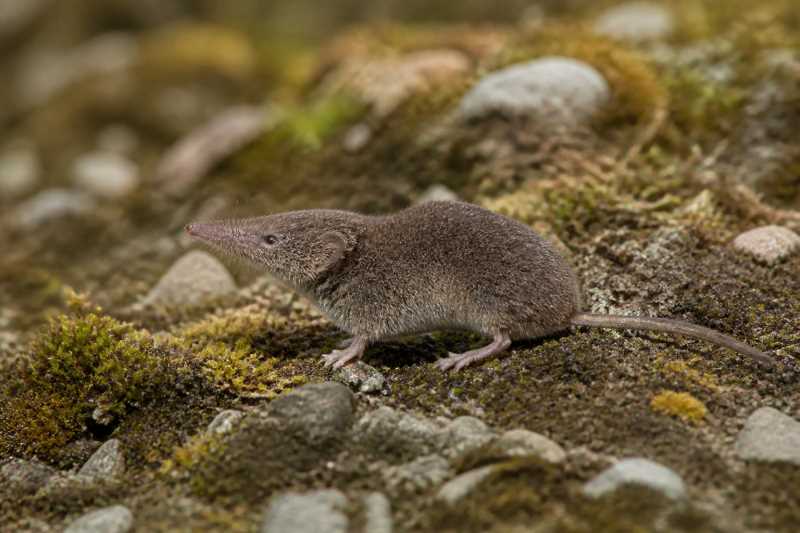
The Tian Shan Shrew is a small mammal, measuring approximately 55 to 70 millimeters in body length, with an additional tail length of 35 to 45 millimeters. This diminutive creature typically weighs between 5 and 10 grams. Its fur is dense and velvety, providing necessary insulation against the cold environments it inhabits.
The coloration of the Tian Shan Shrew is generally dark gray to brown on the dorsal side, while the ventral side is lighter, often with a grayish-white hue. This coloration aids in camouflage against predators and the rocky, earthy environments of the mountains.
One of the distinctive features of the Tian Shan Shrew is its elongated snout, which is highly sensitive and adapted for probing into the soil in search of food. It also possesses small, beady eyes that are more adapted to sensing movement than detailed vision, reflecting its largely nocturnal lifestyle.
Range and Habitat
The Tian Shan Shrew is predominantly found in the Tian Shan mountain range, which stretches across several countries including Kazakhstan, Kyrgyzstan, and China. This range is characterized by its rugged terrain and diverse climatic conditions, from semi-arid regions to alpine zones.
The preferred habitat of the Tian Shan Shrew includes moist, forested areas at high altitudes, although they can also be found in grassy and shrubby zones. These environments provide ample cover and a rich supply of invertebrates, which constitute the shrew’s primary diet.
The elevation at which the Tian Shan Shrew can be found varies significantly, typically ranging from 1,500 to over 3,000 meters above sea level. The diversity of habitats within this range supports a wide variety of plant and animal life, making it a hotspot for biodiversity.
Behavior and Diet
The Tian Shan Shrew is a solitary and largely nocturnal creature, with most of its activity occurring during the night. This behavior is likely an adaptation to avoid the harsh daytime temperatures and reduce the risk of predation.
Its diet primarily consists of insects and other small invertebrates such as worms, spiders, and snails. The shrew’s keen sense of smell and touch enables it to detect prey within the soil and leaf litter. It is known to consume more than its body weight in food each day, a necessity driven by its high metabolic rate.
Behaviorally, the Tian Shan Shrew is known for its territorial nature, with individuals often occupying and defending specific areas. These territories are marked by scent glands, and the shrews engage in vocalizations and physical confrontations when territory disputes occur.
Identification Tips
Identifying the Tian Shan Shrew in the field can be challenging due to its small size and elusive nature. However, there are several key characteristics to look for:
- Size and Shape: Look for a small mammal with an elongated snout and a compact, rounded body.
- Fur Color: Note the dark gray to brown coloration on the back, with a lighter underside.
- Behavior: Observe any nocturnal activity, particularly in moist, high-altitude environments.
- Tracks and Signs: Look for tiny foot tracks and small burrows in soft soil or leaf litter.
Conservation Status
The Tian Shan Shrew is currently classified as a species of Least Concern by the International Union for Conservation of Nature (IUCN). However, this does not mean it is free from threats. Habitat loss due to agricultural expansion, logging, and climate change poses significant risks to its population.
Furthermore, the fragmentation of its habitat can lead to isolated populations, reducing genetic diversity and increasing vulnerability to environmental changes. Conservation efforts are focused on preserving natural habitats and promoting sustainable land use practices in the regions where the shrew is found.
Protected areas within the Tian Shan range offer some refuge for the shrew, but continued monitoring and research are essential to ensure its long-term survival.
Frequently Asked Questions
1. What adaptations help the Tian Shan Shrew survive in its environment?
The Tian Shan Shrew has several adaptations that aid its survival, including dense fur for insulation, a highly sensitive snout for detecting prey, and nocturnal habits to avoid predators and extreme temperatures.
2. How does the Tian Shan Shrew contribute to its ecosystem?
As an insectivore, the Tian Shan Shrew helps control insect populations, contributing to the balance of its ecosystem. Its foraging activities also aid in soil aeration.
3. Why is it important to conserve the Tian Shan Shrew?
Conserving the Tian Shan Shrew is crucial for maintaining biodiversity and ecological balance within its habitat. Protecting this species also supports broader conservation efforts in the fragile mountain ecosystems of Central Asia.
4. What efforts are being made to protect the Tian Shan Shrew?
Conservation efforts include habitat preservation, research on population dynamics, and the establishment of protected areas. These initiatives aim to mitigate habitat loss and ensure the survival of the species.
5. Are there any threats to the Tian Shan Shrew from human activities?
Yes, human activities such as agriculture, deforestation, and climate change pose significant threats to the Tian Shan Shrew by leading to habitat destruction and fragmentation.
Related posts