Introduction
The Lesser Taiwanese Brown-toothed Shrew (Chodsigoa sodalis) is a small mammal belonging to the family Soricidae, a family known for its diversity and intriguing adaptations. Indigenous to Taiwan, this shrew is an integral component of its native ecosystems. Despite its diminutive size, the Lesser Taiwanese Brown-toothed Shrew plays a pivotal role in the ecological balance, acting as both predator and prey within its habitat.
Physical Description
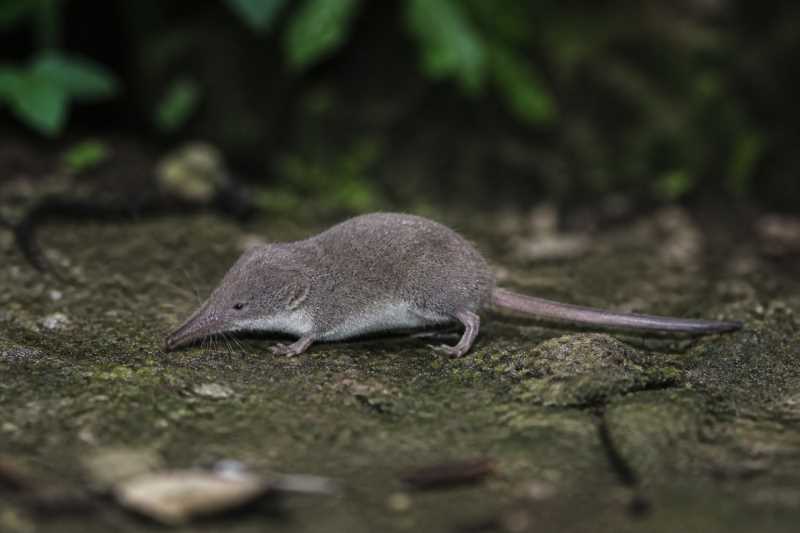
Lesser Taiwanese Brown-toothed Shrews are characterized by their small size and unique dental structure. Typically, these shrews measure between 60-80 mm in body length, with a tail approximately 40-50 mm long. They possess a sleek, dark brown fur coat that aids in camouflage within their forested habitats. One of the distinguishing features of this species is its brown-tinted teeth, a characteristic from which it derives its common name. Additionally, these shrews have a pointed snout and small, barely visible ears, attributes common among insectivorous mammals.
Range and Habitat
Chodsigoa sodalis is endemic to Taiwan, primarily inhabiting the montane and subtropical forests of the central and northern regions of the island. These shrews prefer dense undergrowth and areas with abundant leaf litter, which provide excellent foraging grounds and protection from predators. The forest floor in these regions is rich with insects, making it an ideal environment for the shrew’s insectivorous diet.
Behavior and Diet
The Lesser Taiwanese Brown-toothed Shrew is primarily nocturnal, emerging at night to forage for food. Its diet consists mainly of insects, earthworms, and small invertebrates, which it hunts using its acute sense of smell. These shrews are solitary creatures, with each individual maintaining a territory that it defends aggressively against intruders. During the breeding season, however, males may venture into other territories in search of mates.
Identification Tips (Field Recognition Cues)
Identifying the Lesser Taiwanese Brown-toothed Shrew in the field requires careful observation. Key identification tips include:
- Size and Shape: Look for a small mammal with a slender body and a relatively long tail.
- Coloration: Note the dark brown fur, which may appear almost black in dim light.
- Dental Characteristics: If possible, observe the brown-tinted teeth, a defining feature of this species.
- Behavior: Observe nocturnal activity; these shrews are rarely seen during daylight hours.
Conservation Status (with threats and protections)
As of the latest assessments, the Lesser Taiwanese Brown-toothed Shrew is classified as "Least Concern" by the IUCN Red List. However, like many species with restricted ranges, it faces potential threats from habitat loss and environmental changes. Deforestation and habitat fragmentation pose significant risks, as they reduce the available living and foraging spaces for the shrew. Conservation efforts in Taiwan focus on preserving forest habitats and mitigating the impacts of human encroachment.
Frequently Asked Questions
What do Lesser Taiwanese Brown-toothed Shrews eat?
Lesser Taiwanese Brown-toothed Shrews primarily consume insects, earthworms, and small invertebrates, which they forage for at night.
Where can I find Lesser Taiwanese Brown-toothed Shrews?
These shrews are native to Taiwan and are typically found in the montane and subtropical forests of the island, especially in areas with dense undergrowth and leaf litter.
Are Lesser Taiwanese Brown-toothed Shrews endangered?
Currently, the Lesser Taiwanese Brown-toothed Shrew is not considered endangered and is listed as "Least Concern" by the IUCN. However, habitat preservation is crucial for its continued stability.
How can I identify a Lesser Taiwanese Brown-toothed Shrew?
To identify this shrew, look for its small size, dark brown fur, and distinctive brown-tinted teeth. They are also primarily active at night.
What are the main threats to Lesser Taiwanese Brown-toothed Shrews?
The primary threats include habitat loss due to deforestation and environmental changes, which can lead to reduced foraging and living spaces for the species.
Related posts