Introduction
The Tiny Sulawesi White-toothed Shrew, scientifically known as Crocidura parva, is a fascinating small mammal species that plays a crucial role in its ecosystem. Endemic to the island of Sulawesi in Indonesia, this tiny shrew is one of the lesser-known species within the family Soricidae. Despite its inconspicuous size, the Tiny Sulawesi White-toothed Shrew is an essential subject of study for biologists and conservationists due to its unique adaptations and the ecological niche it occupies.
Physical Description
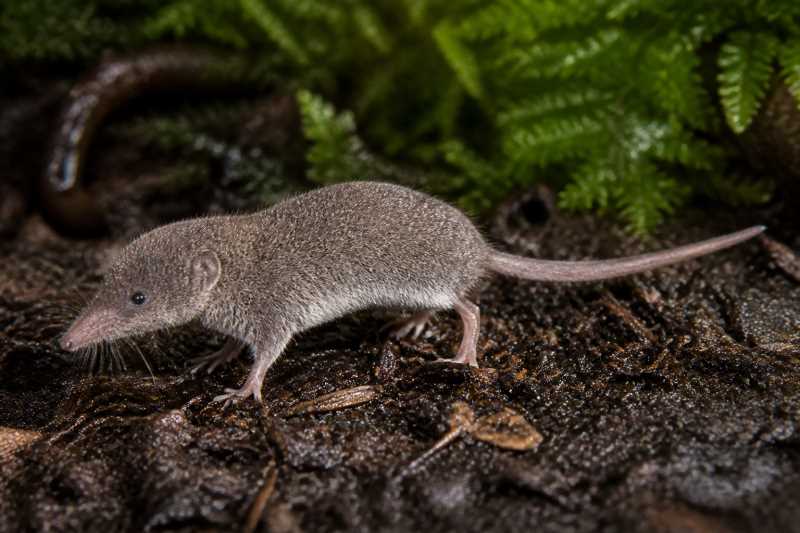
The Tiny Sulawesi White-toothed Shrew is aptly named for its diminutive size and distinct dental features. Adult shrews typically measure around 5 to 7 centimeters in length, excluding the tail, which adds an additional 4 to 5 centimeters. They weigh between 3 to 7 grams, making them one of the smallest members of the genus Crocidura. Their fur is generally a soft grayish-brown, providing camouflage against the forest floor, while their underparts are slightly lighter.
A characteristic feature of this shrew is its sharp, white teeth, adapted for its insectivorous diet. Unlike rodents, shrews do not have continually growing incisors; instead, they possess a set of sharp teeth suited for grasping and consuming small invertebrates. Their elongated snout and small, beady eyes are adapted for a life spent primarily in the undergrowth, and their keen sense of smell aids in locating prey.
Range and Habitat
The Crocidura parva is endemic to Sulawesi, a large island in Indonesia known for its rich biodiversity. The island’s unique geographical history has led to a high degree of endemism among its fauna. The Tiny Sulawesi White-toothed Shrew inhabits various regions across Sulawesi but is most commonly found in the tropical rainforests that blanket the island’s interior.
These shrews prefer moist, shaded environments with abundant leaf litter and underbrush, which provide both food and shelter. They are typically found at elevations ranging from sea level to about 1,500 meters. The dense forest floor offers a rich habitat teeming with insects and other invertebrates, which form the bulk of the shrew’s diet.
Behavior and Diet
The Tiny Sulawesi White-toothed Shrew is primarily nocturnal, although it can be active during the day depending on food availability and environmental conditions. It is a solitary creature, relying on its keen senses to hunt small insects and other invertebrates. Its diet mainly consists of beetles, worms, and other small arthropods, which it detects using its acute sense of smell.
This shrew is highly energetic, with a high metabolic rate that requires frequent feeding. Its foraging behavior involves scurrying through leaf litter and using its snout to probe for prey. The shrew’s active lifestyle and high metabolic demands mean it needs to consume a significant portion of its body weight in food each day.
Identification Tips
Identifying the Tiny Sulawesi White-toothed Shrew in the field can be challenging due to its size and elusive nature. However, there are several key features and behaviors to note:
- Size and Coloration: Look for a small mammal, around 5 to 7 cm long (excluding the tail), with soft grayish-brown fur.
- Teeth: The shrew’s white teeth can be a distinguishing feature, visible if you get a close look.
- Habitat: These shrews are typically found in dense, moist forests with abundant leaf litter.
- Behavior: Active primarily at night, they can sometimes be seen foraging during the day.
Conservation Status
The conservation status of the Tiny Sulawesi White-toothed Shrew is currently categorized as Data Deficient by the International Union for Conservation of Nature (IUCN). This classification indicates that there is insufficient information available to make a direct or indirect assessment of its risk of extinction.
Threats: The primary threats to this species include habitat destruction due to logging, agricultural expansion, and infrastructure development. The unique ecosystems of Sulawesi are under increasing pressure from human activities, which can lead to habitat fragmentation and loss.
Protections: Efforts to conserve the Sulawesi’s unique biodiversity include the establishment of protected areas and national parks. These initiatives aim to preserve critical habitats and the diverse species they support, including the Tiny Sulawesi White-toothed Shrew.
Frequently Asked Questions
1. What is the diet of the Tiny Sulawesi White-toothed Shrew? The diet primarily consists of small insects and invertebrates, such as beetles and worms. Their high metabolic rate necessitates frequent feeding.
2. Where can the Tiny Sulawesi White-toothed Shrew be found? This shrew is endemic to Sulawesi, Indonesia, and is typically found in the island’s tropical rainforests, ranging from sea level to about 1,500 meters in elevation.
3. How can I identify a Tiny Sulawesi White-toothed Shrew in the wild? Look for a small, grayish-brown mammal with a long snout and sharp white teeth, primarily active at night in dense forest habitats.
4. What are the main threats to the Tiny Sulawesi White-toothed Shrew? The main threats include habitat destruction due to logging and agricultural expansion, leading to habitat fragmentation and loss.
5. What conservation measures are in place for the Tiny Sulawesi White-toothed Shrew? Conservation measures include the establishment of protected areas and national parks in Sulawesi to preserve critical habitats and the species they support.
Related posts