Introduction
The shrew gymnure, scientifically known as Neotetracus sinensis, is a captivating small mammal that inhabits the dense forests of Southeast Asia. Despite its relatively obscure presence in the animal kingdom, this creature plays a vital role in its ecosystem, contributing to the intricate web of biodiversity. As a member of the family Erinaceidae and the order Eulipotyphla, the shrew gymnure is closely related to hedgehogs and moonrats, yet it possesses unique characteristics that distinguish it from its relatives.
In this comprehensive article, we delve into the fascinating world of the shrew gymnure, exploring its physical characteristics, natural habitat, behavior, and conservation status. Through this exploration, we aim to shed light on the importance of preserving this often-overlooked species and the crucial role it plays in its environment.
Physical Description
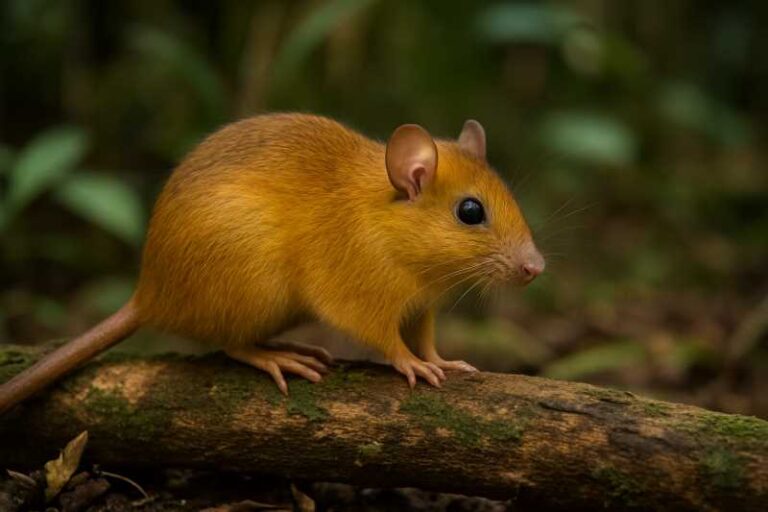
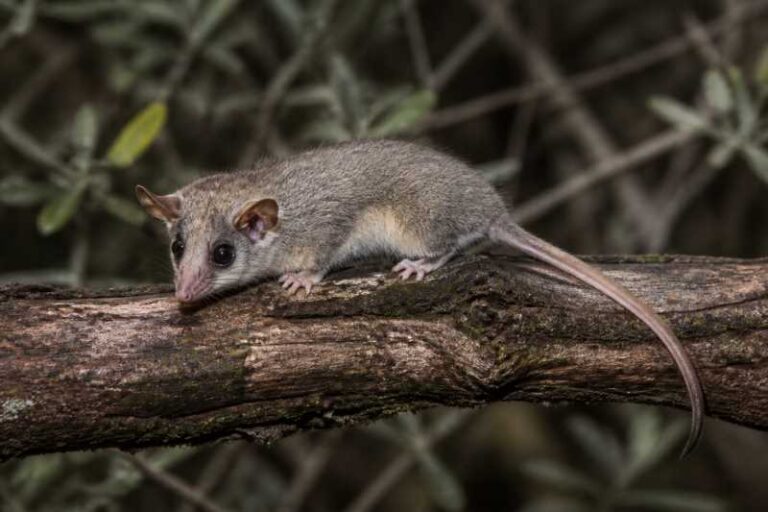
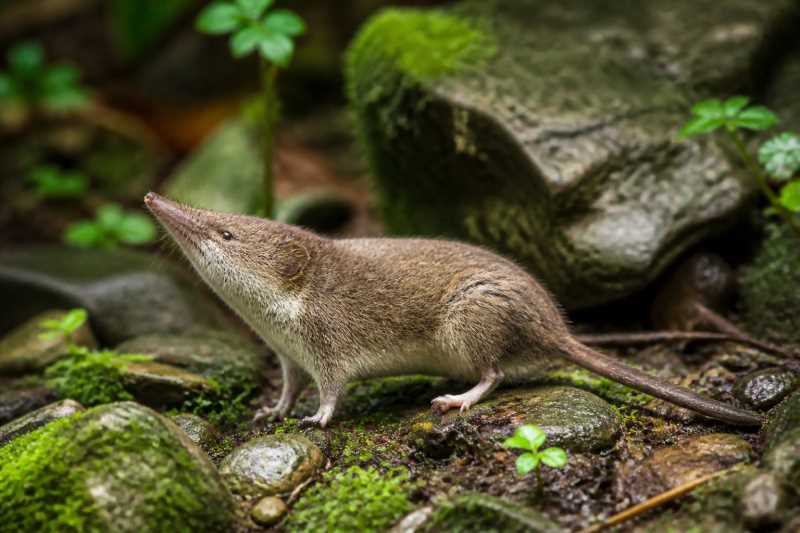
The shrew gymnure is a small mammal, typically measuring around 10 to 15 centimeters in length, with a tail that adds another 5 to 9 centimeters. Weighing approximately 40 to 60 grams, this creature is characterized by its elongated snout and small, beady eyes, which are well-suited for its nocturnal lifestyle. The fur of the shrew gymnure is dense and soft, usually exhibiting a grayish-brown coloration with lighter underparts. Its fur provides excellent camouflage against the forest floor, helping it avoid predators.
Unlike the hedgehog, the shrew gymnure does not have spines, but it shares the hedgehog’s general body plan with a rounded back and a somewhat flattened appearance. Its limbs are short yet agile, equipped with sharp claws that aid in digging and foraging. The shrew gymnure’s small ears are partially hidden by its fur, reducing heat loss in the cooler forest environments it often inhabits.
Range and Habitat
The shrew gymnure is predominantly found in the subtropical and tropical moist forests of Southeast Asia, with its range extending across southern China, northern Vietnam, and parts of Myanmar. These regions provide the ideal conditions for the shrew gymnure, offering dense vegetation, abundant leaf litter, and a humid climate that supports a rich diversity of invertebrate prey.
Preferring the understory of forests, the shrew gymnure is adept at navigating through leaf litter and dense undergrowth. It is often found in areas with plentiful ground cover, which offers protection from predators and a rich supply of food sources. The shrew gymnure is a terrestrial species, spending most of its time on the forest floor, although it is capable of climbing when necessary.
Behavior and Diet
Primarily nocturnal, the shrew gymnure is most active during the night when it forages for food. Its diet primarily consists of invertebrates, including insects, worms, and other small arthropods. The elongated snout of the shrew gymnure is highly sensitive, equipped with tactile hairs that aid in detecting prey hidden beneath leaf litter or soil.
The shrew gymnure is a solitary creature, with individuals maintaining small home ranges that they defend from other members of their species. Communication between individuals is mainly through scent marking and vocalizations, although these are not well-documented in scientific literature.
Reproduction in shrew gymnures is poorly understood, but it is believed that they breed seasonally, with females giving birth to litters of two to four young. The young are altricial, meaning they are born underdeveloped and require significant parental care before they can fend for themselves.
Identification Tips (Field Recognition Cues)
Identifying the shrew gymnure in the field can be challenging due to its elusive nature and nocturnal habits. However, there are several key characteristics that can aid in its recognition:
- Size and Shape: The shrew gymnure is small, with a body length of 10-15 cm and a tail of 5-9 cm. Its rounded body and elongated snout are distinctive features.
- Fur and Coloration: Look for the dense, grayish-brown fur with lighter underparts. This coloration helps it blend into the forest floor.
- Habitat: Search in dense forest undergrowth and leaf litter, particularly in subtropical and tropical moist forests.
- Behavior: Nocturnal activity patterns and solitary behavior are indicative of the shrew gymnure.
- Tracks and Signs: Look for small tracks with claw marks in soft soil or leaf litter, as well as small burrows or disturbed leaf litter where they may forage.
Conservation Status (with Threats and Protections)
The shrew gymnure is currently classified as "Least Concern" by the International Union for Conservation of Nature (IUCN), but this does not mean it is free from threats. Habitat destruction, driven by logging, agricultural expansion, and urbanization, poses significant risks to its populations. The loss of forested areas reduces available habitat and food sources, increasing competition and pressure on the remaining populations.
Climate change also poses a potential threat by altering the ecosystems in which the shrew gymnure thrives. Changes in temperature and precipitation patterns could impact the availability of prey and suitable habitats.
Conservation efforts for the shrew gymnure include habitat protection and the establishment of nature reserves in key areas of its range. Increasing awareness about the ecological role of the shrew gymnure and the importance of forest conservation can also contribute to its preservation.
Frequently Asked Questions
1. What does the shrew gymnure eat?
The shrew gymnure primarily feeds on invertebrates such as insects, worms, and other small arthropods. Its elongated snout and sensitive tactile hairs help it locate prey in the forest floor’s leaf litter.
2. Where can the shrew gymnure be found?
The shrew gymnure is found in the subtropical and tropical moist forests of Southeast Asia, particularly in southern China, northern Vietnam, and parts of Myanmar.
3. How does the shrew gymnure avoid predators?
The shrew gymnure uses its dense, grayish-brown fur for camouflage against the forest floor. It also employs its nocturnal habits to avoid predators, being most active when many predators are less active.
4. Is the shrew gymnure endangered?
Currently, the shrew gymnure is classified as "Least Concern" by the IUCN. However, it faces threats from habitat destruction and climate change, which could impact its populations if not addressed.
5. Are shrew gymnures related to hedgehogs?
Yes, the shrew gymnure is a member of the family Erinaceidae and is closely related to hedgehogs and moonrats. Despite this relationship, it lacks the spines that are characteristic of hedgehogs.
In conclusion, the shrew gymnure is a remarkable example of the diversity within the mammalian world. Understanding and conserving this species is essential for maintaining the delicate balance of its forest ecosystem.
Related posts