Introduction
The Desert Hedgehog, scientifically known as Paraechinus aethiopicus, is a fascinating and resilient species adapted to the harsh environments of deserts and arid regions. This small but mighty mammal has captured the interest of ecologists and wildlife enthusiasts alike due to its unique adaptations and behaviors. In this comprehensive article, we explore the physical characteristics, habitat, diet, and conservation status of the Desert Hedgehog, offering a detailed insight into its intriguing life.
Physical Description
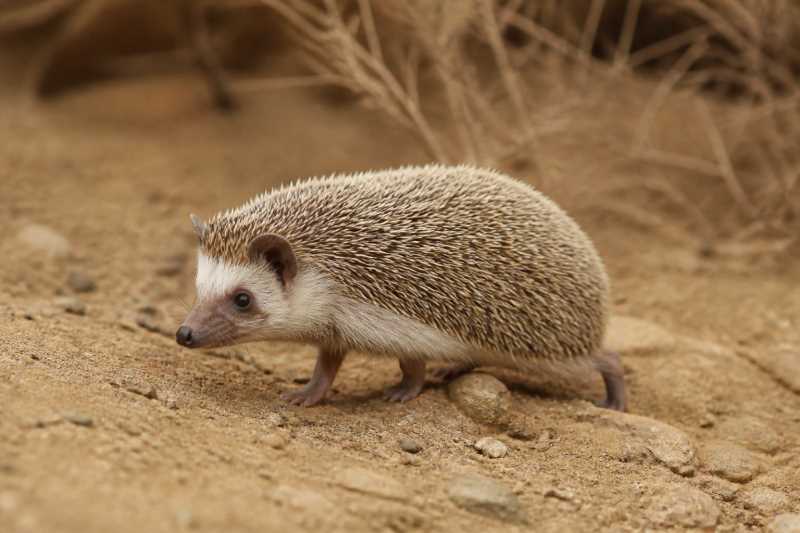
The Desert Hedgehog is one of the smallest hedgehog species, typically weighing between 280 to 510 grams. It measures approximately 14 to 28 centimeters in length, with spines covering its back for protection. These spines are a mix of white and brown, providing effective camouflage against the sandy terrain of its habitat. Its underbelly is covered in soft fur, and it possesses a distinctive dark facial mask with contrasting lighter patches around the eyes and forehead, which serve as a key identification feature.
The hedgehog’s limbs are short but strong, equipped with claws that aid in digging for food and creating burrows. Adapted to a desert environment, it has a highly efficient metabolism that conserves water, allowing it to thrive in areas where water sources are scarce.
Range and Habitat
The Desert Hedgehog has a wide geographical range, spanning North Africa and extending through the Middle East to parts of the Arabian Peninsula. Countries such as Egypt, Libya, Israel, Jordan, Saudi Arabia, and Yemen are home to this adaptable species. It primarily inhabits arid and semi-arid regions, preferring environments with sparse vegetation where it can find shelter and forage for food.
These hedgehogs are typically found in sandy desert habitats, rocky areas, and sometimes in scrubland. Their ability to withstand extreme temperatures and limited water availability makes them well-suited to these challenging environments.
Behavior and Diet
Desert Hedgehogs are nocturnal creatures, primarily active during the cooler night hours to avoid the extreme daytime heat. They are solitary animals, only coming together during the breeding season. Their nocturnal behavior helps them conserve water and energy, essential for survival in the desert.
The diet of a Desert Hedgehog is omnivorous, consisting mainly of insects, small invertebrates, and occasionally fruits and vegetables. They are also known to eat small vertebrates and eggs when available. Their keen sense of smell is a vital tool for locating food sources, allowing them to detect prey hidden beneath the surface.
Identification Tips (Field Recognition Cues)
Identifying the Desert Hedgehog in the wild can be challenging due to its elusive nature and excellent camouflage. However, some key features can aid in identification:
- Size and Shape: Look for a small, rounded body with a length of 14 to 28 centimeters.
- Coloration: Notice the distinctive dark facial mask with lighter patches and the mix of white and brown spines.
- Behavior: Observe for nocturnal activity, as these hedgehogs are rarely seen during the day.
- Habitat: Search in arid or semi-arid regions with sandy or rocky terrain.
Conservation Status (With Threats and Protections)
The Desert Hedgehog is currently classified as "Least Concern" by the International Union for Conservation of Nature (IUCN). However, it faces several threats that could impact its population in the future. Habitat destruction due to urbanization, agricultural expansion, and infrastructure development poses significant risks. Additionally, climate change can exacerbate these threats by altering the availability of food and water resources.
Conservation efforts are in place to monitor population trends and protect critical habitats. Education and awareness campaigns are essential to reduce human-wildlife conflicts and promote sustainable land-use practices.
Frequently Asked Questions
What are the main predators of the Desert Hedgehog?
Desert Hedgehogs face predation from birds of prey, such as owls and eagles, as well as terrestrial predators like foxes and wildcats. Their spines provide a formidable defense, but they rely on their nocturnal habits and camouflage for protection.
How do Desert Hedgehogs survive in arid environments?
Desert Hedgehogs have adapted to survive in arid environments through behavioral and physiological mechanisms. They are nocturnal, reducing water loss during the heat of the day, and have a diet that provides sufficient moisture. Their ability to enter torpor, a state of reduced metabolic rate, also aids in conserving energy and water.
Can Desert Hedgehogs be kept as pets?
While some people may attempt to keep Desert Hedgehogs as pets, it is not recommended. These wild animals have specific habitat and dietary needs that are difficult to replicate in a domestic setting. Additionally, removing them from their natural habitat can harm local populations and disrupt ecosystems.
What is the breeding behavior of Desert Hedgehogs?
Breeding generally occurs once a year, with males and females coming together only during this time. After a gestation period of about 30 to 40 days, the female gives birth to a litter of up to six young, which are born blind and without fully developed spines.
Are Desert Hedgehogs endangered?
Currently, the Desert Hedgehog is not considered endangered. However, continuous monitoring and conservation efforts are necessary to ensure that the species remains stable, especially in the face of ongoing habitat destruction and climate change.
Related posts