Introduction
The Sleek-furred Ground Rat, scientifically known as Gymnuromys roberti, is a unique mammal species that intrigues both researchers and wildlife enthusiasts alike. This exceptional rodent is endemic to the island of Madagascar, a biodiversity hotspot that hosts a wide array of unique flora and fauna. The Sleek-furred Ground Rat, with its distinctive characteristics and ecological significance, plays a vital role in its natural habitat. This article delves into the various aspects of this interesting species, including its physical description, habitat preferences, behavior, diet, and conservation status.
Physical Description
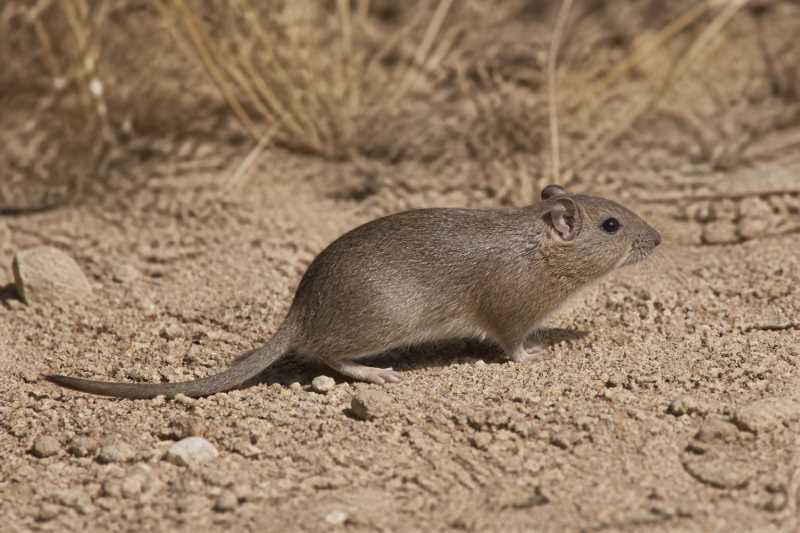
The Sleek-furred Ground Rat stands out with its distinctive appearance and adaptations suited to its environment. This species has a sleek, smooth coat of fur that gives it its name. The fur is generally grayish-brown on the dorsal side, providing excellent camouflage against the forest floor, while the ventral side is lighter in color.
The body length of an adult Sleek-furred Ground Rat ranges from 18 to 22 centimeters, with a tail that is slightly shorter than the body, measuring around 15 to 20 centimeters. This rat has a robust body structure, short limbs, and a pointed snout, which are typical of burrowing rodents. Its ears are small and rounded, further aiding in its burrowing lifestyle by preventing debris from entering. The eyes are relatively small, indicating a possible adaptation to its primarily nocturnal lifestyle.
One of the most remarkable features of Gymnuromys roberti is its strong, sharp claws, which it uses effectively for digging and foraging. The dental formula is adapted for an omnivorous diet, with sharp incisors designed for gnawing.
Range and Habitat
Gymnuromys roberti is exclusively found in Madagascar, specifically in the eastern rainforests. These forests are characterized by high levels of humidity, dense vegetation, and a rich diversity of plant and animal life. The Sleek-furred Ground Rat thrives in these environments, particularly in areas with abundant leaf litter and soft soil, which facilitate its burrowing activities.
The range of Gymnuromys roberti is limited to these forested regions, making it highly susceptible to habitat changes. The species has adapted to live both on the forest floor and beneath it, utilizing its burrowing abilities to create intricate tunnels and nests. This adaptability to both surface and subterranean living is crucial for its survival, providing shelter from predators and extreme weather conditions.
Behavior and Diet
The behavior of the Sleek-furred Ground Rat is predominantly solitary, although it may occasionally be observed in small family groups. This species is primarily nocturnal, emerging from its burrows at dusk to forage for food. Its nocturnal habits help it avoid many predators and the heat of the day.
Dietarily, Gymnuromys roberti is omnivorous. Its diet consists of a variety of plant materials, seeds, fruits, and insects. This varied diet not only sustains its nutritional needs but also plays a role in seed dispersal, contributing to the health of the forest ecosystem. The strong claws and sharp incisors are essential tools for accessing a diverse range of food sources.
Identification Tips (Field Recognition Cues)
For those interested in identifying the Sleek-furred Ground Rat in the wild, a few key characteristics can aid in recognition:
- Fur Texture and Color: Look for the smooth, sleek fur that is grayish-brown on top and lighter underneath, providing effective camouflage in leaf litter.
- Size and Body Structure: Notice its robust body, short limbs, and tail that is slightly shorter than the body length.
- Behavior: Observe its nocturnal foraging activities; this rat is most active during dusk and night.
- Habitat: Focus on regions within Madagascar’s eastern rainforests, especially areas with dense undergrowth and leaf litter.
- Burrows: Look for signs of burrowing, such as small tunnel entrances, which indicate the presence of this species.
Conservation Status (with Threats and Protections)
The conservation status of the Sleek-furred Ground Rat is currently classified as Near Threatened on the IUCN Red List of Threatened Species. Several factors contribute to this status, primarily habitat destruction and fragmentation due to deforestation and agricultural expansion. The unique forest ecosystems in Madagascar are under constant threat from logging, slash-and-burn agriculture, and infrastructure development.
Additionally, climate change poses a significant threat by altering the delicate balance of the rainforest ecosystem. These environmental changes can affect food availability and habitat conditions crucial for the survival of Gymnuromys roberti.
To combat these threats, conservation efforts are underway, focusing on habitat preservation and restoration. Protected areas have been established to safeguard critical habitats, and initiatives promoting sustainable land-use practices are being implemented. Raising awareness of the species’ plight and its ecological importance is also a key component of conservation strategies.
Frequently Asked Questions
Q1: Why is the Sleek-furred Ground Rat important to Madagascar’s ecosystem?
The Sleek-furred Ground Rat plays a crucial role in Madagascar’s ecosystem by contributing to seed dispersal and maintaining soil health through its burrowing activities. This enhances forest regeneration and biodiversity.
Q2: What are the main threats to the Sleek-furred Ground Rat?
The primary threats include habitat destruction due to deforestation and agricultural expansion, as well as climate change, which impacts the availability of food and alters habitat conditions.
Q3: How can one help in the conservation of the Sleek-furred Ground Rat?
Supporting conservation organizations working in Madagascar, promoting sustainable land-use practices, and raising awareness about the importance of preserving Madagascar’s unique biodiversity can aid in the conservation of this species.
Q4: Is the Sleek-furred Ground Rat active during the day?
No, the Sleek-furred Ground Rat is predominantly nocturnal. It is most active during the night, which helps it avoid predators and the daytime heat.
Q5: What adaptations help the Sleek-furred Ground Rat survive in its environment?
Its adaptations include a sleek fur for camouflage, strong claws for digging, sharp incisors for gnawing, and a nocturnal lifestyle to evade predators and for efficient foraging.
Related posts