Introduction
The Long-eared Desert Mouse (Malacothrix typica) is a captivating small mammal species that inhabits some of the most arid regions of the world. Known for its distinctive large ears and remarkable adaptability to desert environments, this mouse plays a crucial role in its ecosystem. As a species of interest for researchers studying desert adaptation, the Long-eared Desert Mouse has sparked curiosity due to its unique behaviors and survival strategies.
Physical Description
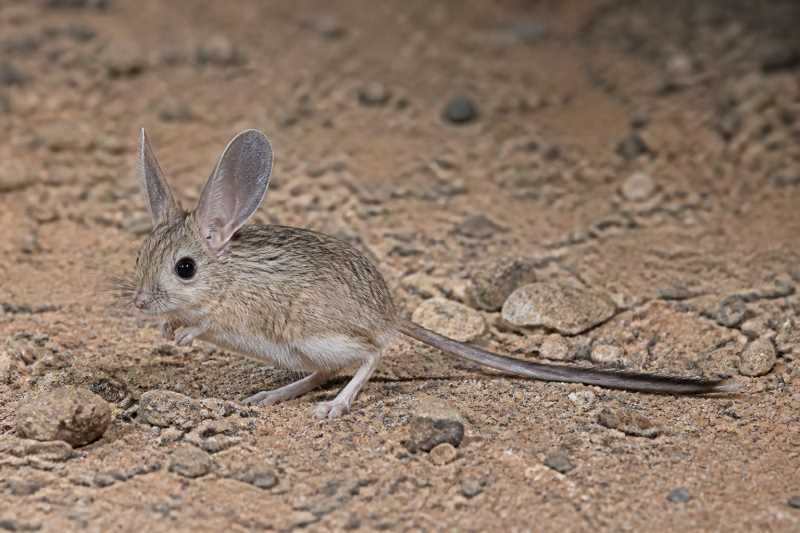
The Long-eared Desert Mouse is aptly named for its prominent ears, which are larger relative to its head size compared to many other rodent species. These ears are not just for show; they play a significant role in thermoregulation, allowing the mouse to dissipate heat effectively in the scorching desert environment. The mouse has a sleek, slender body covered with soft, sandy-colored fur that provides excellent camouflage against the desert backdrop. Weighing between 15 to 30 grams, this species is small yet agile, with a body length of approximately 7 to 10 centimeters, excluding its long, tufted tail that adds an additional 9 to 12 centimeters.
Range and Habitat
The Long-eared Desert Mouse is predominantly found in the arid regions of North Africa and parts of the Middle East. It thrives in sandy and rocky deserts, where vegetation is sparse, and temperatures can be extreme. Its range extends across countries like Egypt, Libya, and Saudi Arabia, showcasing its remarkable ability to survive in harsh climates where few other mammals can endure. This mouse is typically found in habitats characterized by sandy dunes, rocky outcrops, and sparse shrubland, where it can easily find food and shelter.
Behavior and Diet
Adapted to desert life, the Long-eared Desert Mouse is primarily nocturnal, venturing out at night when temperatures drop to more manageable levels. This nocturnal lifestyle helps it avoid the intense heat of the day and reduces water loss from its body. The mouse is an omnivore, with a diet consisting of seeds, insects, and occasionally small plants. Its ability to derive moisture from its food is a critical adaptation, as water sources in its natural habitat are scarce.
The mouse is known for its solitary and territorial nature, marking its home range with scent markings to deter intruders. During the breeding season, which varies depending on the availability of food and favorable conditions, males and females come together briefly to mate. Females give birth to litters of typically three to five young, which are weaned quickly to ensure their survival in the harsh environment.
Identification Tips
Identifying the Long-eared Desert Mouse in the field requires attention to several key features:
- Ears: Look for the notably large ears that are characteristic of this species, aiding in heat dissipation and auditory sensitivity.
- Coloration: The sandy, light brown fur provides excellent camouflage against the desert landscape.
- Size: Its small size, with a body length of 7 to 10 cm (excluding the tail), distinguishes it from larger desert rodents.
- Tail: A long, tufted tail that is often used for balance and signaling.
Conservation Status
Currently, the Long-eared Desert Mouse is not listed as endangered, but it faces several threats that could impact its populations in the future. Habitat destruction due to human expansion, climate change, and predation by introduced species such as domestic cats pose significant risks. Conservation efforts are focused on habitat protection and monitoring populations to ensure this unique species does not become threatened.
Frequently Asked Questions
1. What adaptations help the Long-eared Desert Mouse survive in the desert?
The Long-eared Desert Mouse has several adaptations for desert survival, including large ears for heat dissipation, a nocturnal lifestyle to avoid daytime heat, and the ability to obtain moisture from its food.
2. Where can you find the Long-eared Desert Mouse?
This mouse is found in the deserts of North Africa and the Middle East, including countries like Egypt, Libya, and Saudi Arabia, typically in sandy and rocky habitats.
3. What does the Long-eared Desert Mouse eat?
As an omnivore, it feeds on seeds, insects, and small plants, deriving moisture from these food sources to survive in arid environments.
4. How do Long-eared Desert Mice reproduce?
They breed when environmental conditions are favorable, with females giving birth to litters of three to five young, which are quickly weaned.
5. What are the main threats to the Long-eared Desert Mouse?
The primary threats include habitat destruction, climate change, and predation by introduced species such as domestic cats.
Related posts