Introduction
The Philippine Forest Rat, scientifically known as Rattus everetti, is a fascinating rodent species endemic to the diverse archipelago of the Philippines. This species, named in honor of explorer Alfred Hart Everett, is a critical part of the ecological tapestry within its range. The lush, forested environments of the Philippines offer a rich habitat where the Philippine Forest Rat thrives, playing an integral role in seed dispersion and the overall health of forest ecosystems.
Understanding the dynamics of the Philippine Forest Rat is vital for conservationists and ecologists aiming to preserve the unique biodiversity of the Philippines. This article delves into various aspects of Rattus everetti, providing a comprehensive overview of its physical characteristics, habitat, behavior, and more.
Physical Description
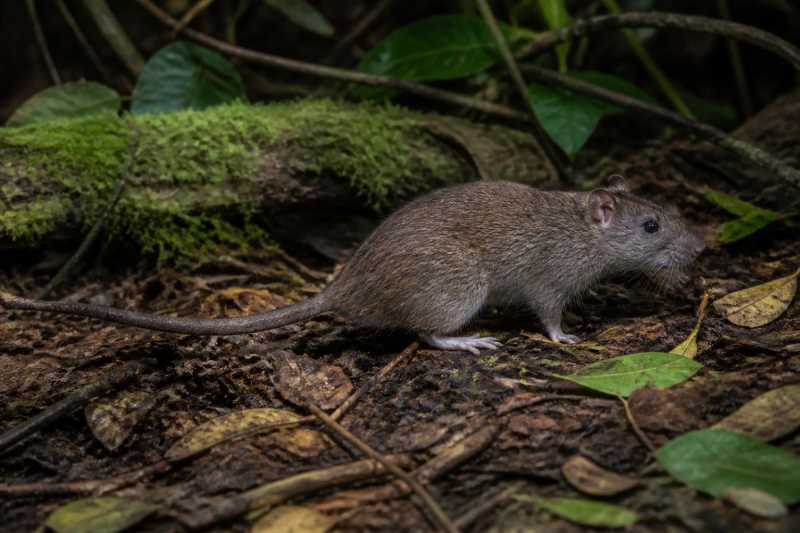
The Philippine Forest Rat is a medium-sized rodent characterized by a robust body and a slightly elongated face. Adults generally measure between 20 to 25 centimeters in body length, with a tail that is almost equal or slightly longer than the body, aiding in balance and agility among the forest canopy.
The fur of Rattus everetti is dense and soft, usually exhibiting a brownish-gray hue that serves as excellent camouflage amidst the forest floor. The underbelly is lighter, often whitish or a pale gray, providing a counter-shading effect that helps in evading predators.
Their eyes are large and beady, adapted for nocturnal activities, while their ears are rounded and sensitive, allowing them to detect minute sounds in their environment. The Philippine Forest Rat’s feet are well-adapted for climbing, with sharp claws that provide a strong grip on tree bark and branches.
Range and Habitat
The Philippine Forest Rat is predominantly found across the islands of Luzon, Mindanao, Samar, and Leyte, though its presence extends to several smaller islands within the archipelago. These rodents are highly adaptable and occupy a variety of forest types, ranging from lowland dipterocarp forests to montane and mossy forests, often at elevations up to 2,000 meters.
Their preferred habitats are dense, humid environments where they can easily forage for food and evade predators. Unfortunately, extensive deforestation and habitat fragmentation pose significant threats to their natural habitats, reducing their available living space and food sources.
Behavior and Diet
Primarily nocturnal, the Philippine Forest Rat is most active during the night, spending its day hidden in burrows or nests constructed from leaves and twigs. These rats are solitary creatures, though they exhibit social behaviors during the breeding season.
Rattus everetti is omnivorous, with a diet that includes seeds, fruits, insects, and small invertebrates. Their role as seed dispersers is crucial for forest regeneration, as they aid in the propagation of various plant species by distributing seeds across their range.
Their keen sense of smell helps them locate food, while their sharp incisors allow them to gnaw through tough seed coats and exoskeletons, making them efficient foragers.
Identification Tips
Recognizing the Philippine Forest Rat in the wild requires keen observation of several distinguishing features:
- Size and Shape: Look for a medium-sized rodent with a robust body and a relatively long tail.
- Fur Color: Note the brownish-gray fur with a lighter underbelly, which blends well with the forest floor.
- Activity Patterns: Observe nocturnal behaviors; they are more likely to be seen during dusk and dawn.
- Habitat Preference: Focus on forested areas, especially where there is dense underbrush.
- Tracks and Signs: Look for small, rounded footprints and signs of gnawing on seeds and fruits.
Conservation Status
The Philippine Forest Rat is currently listed as a species of Least Concern by the International Union for Conservation of Nature (IUCN). However, this status does not imply that the species faces no threats. Habitat destruction, primarily due to deforestation and agricultural expansion, poses the greatest threat to their population.
Efforts to protect their habitats are crucial. Conservation strategies include:
- Protected Areas: Establishing and maintaining protected areas within their range to preserve critical habitats.
- Sustainable Practices: Promoting sustainable forestry and agricultural practices to minimize habitat destruction.
- Research and Monitoring: Conducting ongoing research to monitor population trends and understand ecological roles.
Frequently Asked Questions
What does the Philippine Forest Rat eat?
The Philippine Forest Rat is an omnivorous species that consumes a variety of foods, including seeds, fruits, insects, and small invertebrates. Their diet plays a crucial role in seed dispersal and forest regeneration.
How can I identify a Philippine Forest Rat in the wild?
To identify the Philippine Forest Rat, look for a medium-sized rodent with brownish-gray fur and a lighter underbelly, primarily active during nighttime in forested areas.
What threats do Philippine Forest Rats face?
The primary threat to the Philippine Forest Rat is habitat destruction due to deforestation and agricultural expansion. Conservation efforts focus on habitat protection and sustainable land-use practices.
Where is the natural habitat of the Philippine Forest Rat?
The Philippine Forest Rat inhabits various forest types across the Philippines, including lowland dipterocarp, montane, and mossy forests, often at elevations up to 2,000 meters.
Why is the Philippine Forest Rat important for the ecosystem?
As seed dispersers, Philippine Forest Rats play a vital role in maintaining forest biodiversity and aiding in the natural regeneration of plant species within their habitats.
Related posts