Introduction
The Southwestern Xanthurus Rat, scientifically known as Rattus bontanus, is a lesser-known rodent species that plays a critical role in its ecosystem. This species, although not as famous as its urban-dwelling relatives, is an essential part of the biodiversity in its native habitat. Understanding the Southwestern Xanthurus Rat is crucial for conservation efforts and ecological studies focused on the region’s rodent population. This comprehensive article provides an in-depth look into the life, habitat, and conservation status of the Southwestern Xanthurus Rat.
Physical Description
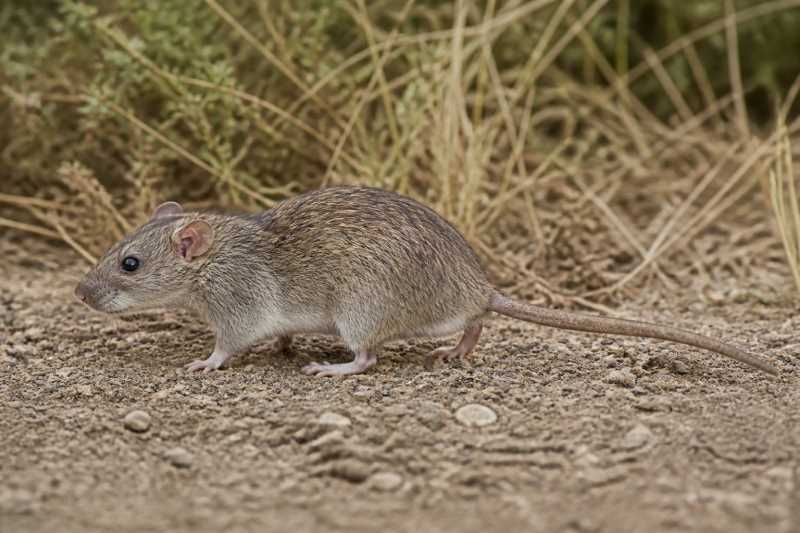
The Southwestern Xanthurus Rat is a medium-sized rodent, typically measuring between 25 to 30 centimeters in length, including its tail. Its fur is a distinctive mix of gray and brown, providing excellent camouflage against the forest floor. The tail, which is often slightly longer than the body, is covered with fine scales and sparse hair, a characteristic feature that distinguishes it from other rat species. The rat’s ears are relatively large, aiding in acute hearing, while its eyes are adapted for nocturnal vision.
The whiskers of the Southwestern Xanthurus Rat are highly sensitive, playing a crucial role in navigating their environment. Their dental structure is typical of the genus Rattus, with ever-growing incisors that are essential for gnawing through tough plant material.
Range and Habitat
The Southwestern Xanthurus Rat is endemic to the dense forests and mountainous regions of Southeast Asia, particularly found in the southwestern parts of the Indonesian archipelago. This species thrives in tropical and subtropical moist broadleaf forests, where it plays a vital role in seed dispersal and the ecosystem’s nutrient cycle.
Their habitat is characterized by high humidity and thick underbrush, which offers ample cover from predators. The complex forest structure provides numerous opportunities for nesting and foraging, making it an ideal environment for the Xanthurus Rat.
Behavior and Diet
Primarily nocturnal, the Southwestern Xanthurus Rat is most active during the night when it forages for food. Its diet mainly consists of fruits, seeds, and small invertebrates, highlighting its role as both a seed disperser and a predator of insects. This varied diet aids in maintaining the ecological balance within its habitat.
Socially, the Xanthurus Rat is known to live in small family groups, often consisting of a breeding pair and their offspring. Communication among these rats is facilitated through a combination of vocalizations, scent markings, and body language. Territorial disputes are common, especially during the breeding season when resources are more contested.
Identification Tips (Field Recognition Cues)
Identifying the Southwestern Xanthurus Rat in the wild requires a keen eye and attention to specific details:
- Look for their distinctive gray-brown fur, which blends seamlessly with the forest floor.
- Note the size and length of the tail compared to the body, which is a key distinguishing feature.
- Listen for their nocturnal vocalizations, which are often high-pitched and vary in frequency.
- Search for signs of gnawing on seeds and fruit, indicative of their feeding habits.
- Observe their movement patterns, as they are primarily ground-dwelling but may occasionally climb low vegetation.
Conservation Status (with Threats and Protections)
The Southwestern Xanthurus Rat is currently classified as Near Threatened on the IUCN Red List. This classification is due to habitat loss resulting from deforestation and land conversion for agriculture. The destruction of their natural habitat poses the greatest threat to their survival, as it leads to decreased food availability and nesting sites.
Conservation efforts focus on habitat protection and restoration. Initiatives include establishing protected areas and promoting sustainable land management practices. Additionally, educating local communities about the ecological importance of the Xanthurus Rat can foster more supportive attitudes towards conservation efforts.
Frequently Asked Questions
- What is the primary diet of the Southwestern Xanthurus Rat?
The Southwestern Xanthurus Rat primarily feeds on fruits, seeds, and small invertebrates. This omnivorous diet helps maintain ecological balance by aiding in seed dispersal and controlling insect populations.
- How does the Southwestern Xanthurus Rat contribute to its ecosystem?
This rat species plays a crucial role in seed dispersal, which facilitates forest regeneration. Additionally, by preying on insects, it helps control pest populations, further contributing to its ecosystem’s health.
- What are the main threats to the Southwestern Xanthurus Rat?
The primary threats include habitat loss due to deforestation and agricultural expansion. These activities reduce available food sources and nesting sites, posing significant risks to their population.
- How can we help protect the Southwestern Xanthurus Rat?
Supporting conservation efforts such as habitat protection, sustainable land use practices, and raising awareness about the species’ ecological importance can help protect the Southwestern Xanthurus Rat.
- Where can the Southwestern Xanthurus Rat be found?
This species is endemic to the dense forests and mountainous regions of Southeast Asia, particularly in the southwestern parts of the Indonesian archipelago.
Related posts