Introduction
The Palawan Mountain Rat, scientifically known as Palawanomys furvus, is a fascinating yet lesser-known mammal species native to the island of Palawan in the Philippines. Amidst the rich biodiversity of the region, this unique rodent plays a critical role in its ecosystem. Despite its significance, the Palawan Mountain Rat has not garnered the same attention as other more charismatic fauna, making it an intriguing subject for both researchers and nature enthusiasts. This article explores the various aspects of this distinctive mammal, from its physical characteristics to its behavior, habitat, and conservation status.
Physical Description
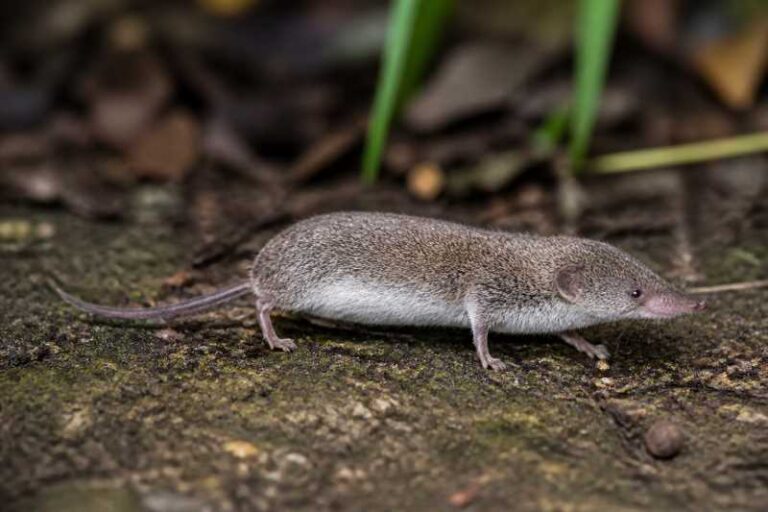
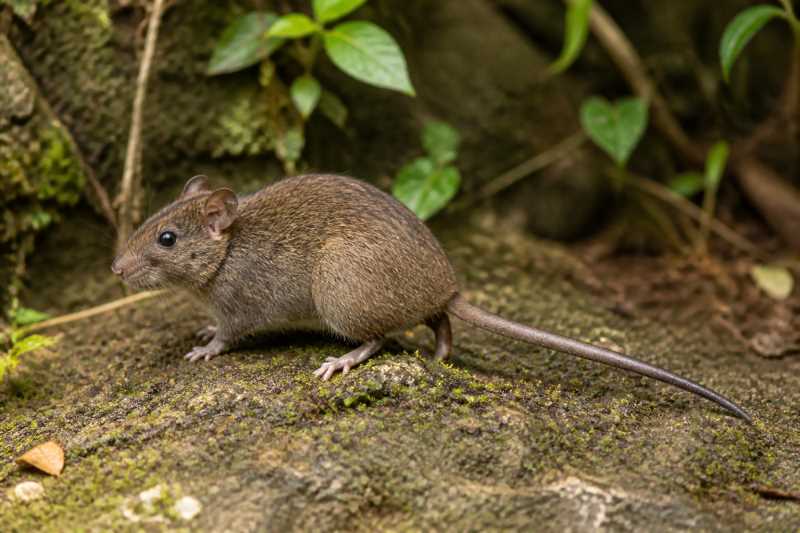
The Palawan Mountain Rat is a medium-sized rodent characterized by its dark fur, which provides excellent camouflage in its forested habitat. Its fur is primarily a deep, blackish-brown color, with a slightly lighter underbelly. The species has a robust body structure, typically measuring between 25 to 30 centimeters in length, with an equally long tail that aids in balance and agility while navigating through the forest canopy.
One of the most striking features of the Palawan Mountain Rat is its large, rounded ears that enhance its auditory capabilities, essential for detecting predators and communicating with other rats. It also has sharp, curved claws adapted for climbing and foraging. The rat’s incisors are robust and continuously growing, which is typical of rodents, allowing it to gnaw on a variety of materials.
Range and Habitat
The Palawan Mountain Rat is endemic to the island of Palawan, which is part of the Philippines’ archipelago. This island is renowned for its rich biodiversity and complex ecosystems, ranging from coastal mangroves to mountainous forests. The Palawan Mountain Rat is predominantly found in the montane and mossy forest regions at elevations ranging from 1,000 to 1,500 meters above sea level.
These habitats provide the dense vegetation and abundant resources necessary for the species’ survival. The forest floor and lower canopy offer ample cover and food sources, such as fruits, seeds, and small invertebrates. The complex terrain of Palawan’s mountainous regions also means that the rat has adapted to a life of climbing and agile movement through the forest.
Behavior and Diet
The Palawan Mountain Rat is primarily nocturnal, using the cover of darkness to forage for food and avoid predators. It is an omnivorous species, with a diet that includes a variety of fruits, seeds, leaves, and insects. This dietary flexibility allows it to thrive in its diverse habitat, where food availability can change with the seasons.
Social behavior in Palawan Mountain Rats is not extensively documented, but like many rodent species, they are likely to have a complex social structure. They communicate through vocalizations, scent markings, and body language. Their large ears and keen sense of smell play crucial roles in these interactions.
Identification Tips (Field Recognition Cues)
Identifying the Palawan Mountain Rat in the field requires attention to several key characteristics:
- Fur Color: Look for the distinctive blackish-brown fur, which is darker than many other rodent species in the region.
- Size and Shape: Note the medium-sized body, large ears, and long tail.
- Habitat: Focus on high-elevation montane forests, as this is the primary habitat of the species.
- Behavior: Observe nocturnal activity and climbing behaviors, which are indicative of this species.
Conservation Status (with threats and protections)
As of the latest assessments, the Palawan Mountain Rat is listed as Near Threatened on the IUCN Red List. This status is a result of several factors threatening its survival:
- Habitat Loss: Deforestation for agriculture and logging is a significant threat, reducing the available habitat for the species.
- Climate Change: Alterations in weather patterns can affect food availability and habitat conditions.
- Predation and Competition: Introduced species, such as domestic cats and rats, pose predation and competition threats.
Conservation efforts are underway to protect the Palawan Mountain Rat, including habitat preservation initiatives and legal protections for the forests of Palawan. Increased research and monitoring are essential to better understand the species and implement effective conservation strategies.
Frequently Asked Questions
1. What is the natural habitat of the Palawan Mountain Rat?
The Palawan Mountain Rat is native to the montane and mossy forests of Palawan Island, typically found at elevations between 1,000 and 1,500 meters. These habitats provide the dense vegetation and resources necessary for their survival.
2. How does the Palawan Mountain Rat contribute to its ecosystem?
As an omnivore, the Palawan Mountain Rat plays a crucial role in seed dispersal and pest control. By consuming fruits and seeds, it aids in plant regeneration, while its insectivorous habits help manage insect populations.
3. What are the main threats to the Palawan Mountain Rat?
The primary threats include habitat loss due to deforestation, climate change impacting food and habitat availability, and predation from introduced species like domestic cats.
4. How can the Palawan Mountain Rat be identified in the wild?
Key identification features include its dark fur, medium size, large ears, and long tail. Observing its nocturnal and climbing behaviors in montane forests can also aid identification.
5. What conservation efforts are in place for the Palawan Mountain Rat?
Efforts include habitat preservation and legal protections for Palawan’s forests, alongside research initiatives to better understand and protect this species.
Related posts