Introduction
The Burmese Tree Rat, scientifically known as Chiromyscus chiropus, is a relatively lesser-known member of the rodent family that captivates both researchers and wildlife enthusiasts alike. This elusive mammal is primarily found in Southeast Asia and is recognized for its arboreal lifestyle, spending a significant portion of its life in the trees. This article delves into the fascinating aspects of the Burmese Tree Rat, from its physical characteristics and habitat preferences to its behavior and conservation status.
Physical Description
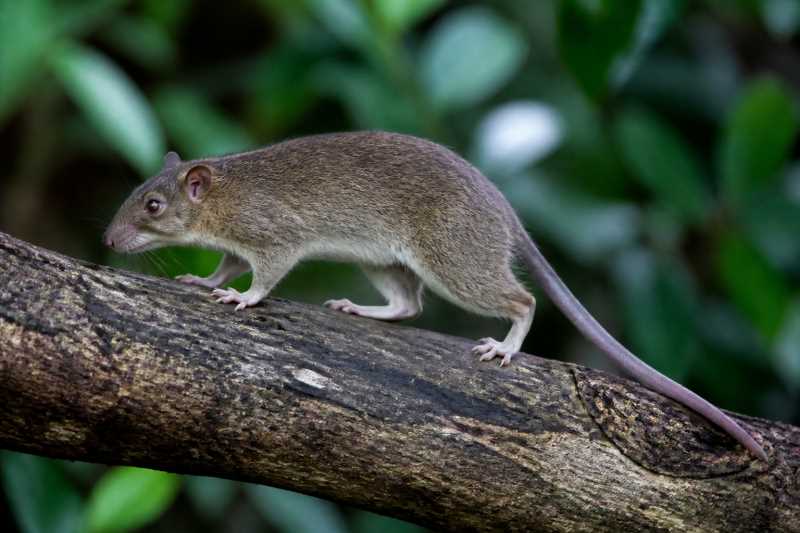
The Burmese Tree Rat is a medium-sized rodent with distinctive physical features that aid its arboreal lifestyle. Typically, adults measure about 25-30 cm in length, with a tail that is almost equal to or slightly longer than the body, providing excellent balance and grip while navigating through the trees. The body is covered in soft, dense fur, predominantly grayish-brown on the dorsal side, which provides effective camouflage against tree bark and foliage.
The underbelly is lighter, often a creamy white, which may assist in counter-shading—a form of camouflage that helps the rat avoid predation from birds and other predators above. The ears are relatively small and rounded, while the eyes are large and prominent, suggesting a degree of nocturnal activity. The whiskers are long and sensitive, aiding in navigation through dense vegetation.
Range and Habitat
The Burmese Tree Rat is primarily found in the forests of Southeast Asia, with its range extending across Myanmar, Thailand, Laos, and parts of Vietnam. This species prefers tropical and subtropical forests, thriving in both primary and secondary forest environments. It has also been observed in bamboo groves and plantations, highlighting its adaptability to different forested habitats.
These rats are arboreal, spending most of their time in the canopy layer of the forest. They are adept climbers, thanks to their strong limbs and prehensile tail, which allows them to move effortlessly through the branches in search of food and shelter.
Behavior and Diet
Burmese Tree Rats are primarily nocturnal, foraging for food under the cover of darkness. Their diet is omnivorous, consisting of fruits, seeds, nuts, and occasionally small insects and invertebrates. This varied diet helps them adapt to the changing availability of food resources throughout the year.
Social behavior in Burmese Tree Rats is not well-documented, although they are generally considered solitary outside of the breeding season. They construct nests in tree hollows or dense foliage, providing protection from predators and environmental elements.
During the breeding season, which varies by region, males and females come together for mating. The gestation period is relatively short, and females typically give birth to several young, which are weaned and independent within a few weeks.
Identification Tips (Field Recognition Cues)
Identifying the Burmese Tree Rat in the wild requires keen observation skills due to its elusive nature and excellent camouflage. Key identification tips include:
- Coloration: Look for the distinctive grayish-brown fur with a lighter underbelly.
- Size and Shape: Note the medium size (25-30 cm) and long, bushy tail.
- Movement: Observe the agile and graceful movement through trees, often during dusk or dawn.
- Habitat: Check for presence in forest canopies, particularly in regions known to be within its range.
Conservation Status (With Threats and Protections)
The conservation status of the Burmese Tree Rat is currently listed as Data Deficient by the International Union for Conservation of Nature (IUCN), indicating that there is insufficient information on its population trends and threats. However, like many forest-dwelling species, it faces potential threats from habitat loss due to deforestation and agricultural expansion.
Conservation efforts for the Burmese Tree Rat include habitat protection and reforestation initiatives. Protected areas within its range help preserve critical habitats, while environmental education and awareness campaigns aim to reduce human-induced threats.
Frequently Asked Questions
What do Burmese Tree Rats eat?
Burmese Tree Rats have an omnivorous diet, primarily consuming fruits, seeds, nuts, and occasionally small insects and invertebrates. Their varied diet allows them to adapt to seasonal changes in food availability.
Where can I find Burmese Tree Rats in the wild?
Burmese Tree Rats are found in the forests of Southeast Asia, particularly in Myanmar, Thailand, Laos, and Vietnam. They inhabit tropical and subtropical forests, often in the canopy layer.
How do Burmese Tree Rats avoid predators?
These rats use their arboreal skills to evade predators, relying on their excellent climbing abilities and camouflage. Their nocturnal lifestyle also helps reduce the risk of predation.
Are Burmese Tree Rats endangered?
Currently, the Burmese Tree Rat is listed as Data Deficient by the IUCN, meaning there is not enough information to assess its risk of extinction. However, habitat loss poses a potential threat to their populations.
How can I help conserve Burmese Tree Rats?
Supporting conservation initiatives that focus on habitat protection and reforestation can help preserve the natural environment of the Burmese Tree Rat. Raising awareness about the impacts of deforestation can also contribute to conservation efforts.
Related posts