Introduction
Rupp’s Ethiopian Rat, scientifically known as Stenocephalemys ruppi, is a fascinating yet lesser-known rodent species endemic to the highlands of Ethiopia. This particular species belongs to the Muridae family, which encompasses a diverse range of rodents found around the globe. Despite its limited range, Rupp’s Ethiopian Rat plays a crucial ecological role in its native habitat, contributing to seed dispersal and soil aeration. In this article, we will explore various aspects of this unique mammal, including its physical characteristics, habitat, behavior, and conservation status, while also providing tips for field identification.
Physical Description
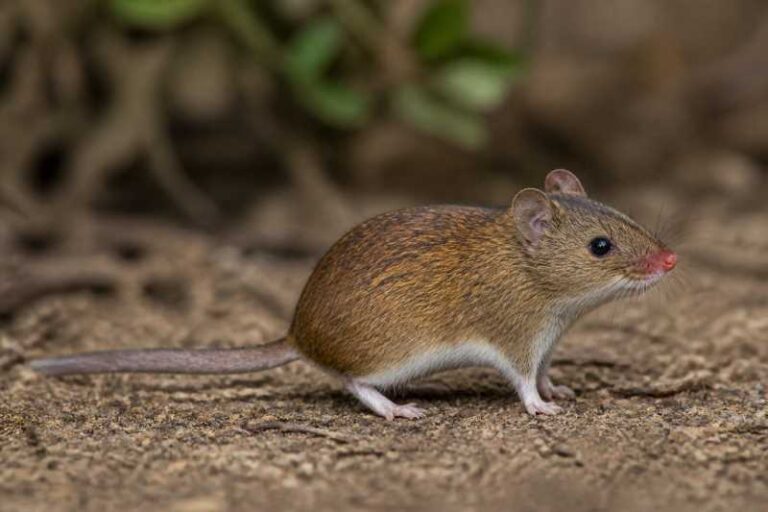
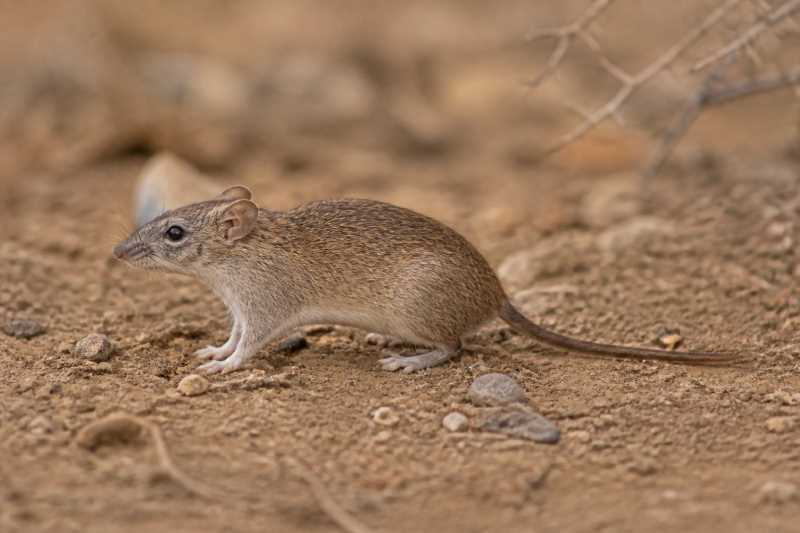
Rupp’s Ethiopian Rat is characterized by its medium-sized body, typically measuring between 15 to 20 centimeters in length, not including the tail. The tail itself is relatively long, often equal to or slightly longer than the body, and is covered in short, sparse hair. This species exhibits a distinctive coloration, with a soft, dense fur coat that ranges from a rich brown to a grayish hue on the dorsal side, while the ventral side is lighter, often appearing white or cream-colored.
A notable feature of Stenocephalemys ruppi is its elongated head, which gives the species its name, derived from the Greek words ‘steno’ (narrow) and ‘cephal’ (head). This narrow head is complemented by large, rounded ears and small, beady eyes that are well-adapted for low-light conditions. The rat’s limbs are relatively short, but strong, allowing it to navigate its rocky, mountainous habitat with agility.
Range and Habitat
Rupp’s Ethiopian Rat is endemic to the Ethiopian highlands, specifically thriving in the Afro-alpine and montane forest regions. These areas are characterized by their high elevation, often exceeding 2,500 meters above sea level, and are known for their cool temperatures and high precipitation. Such environments provide a mix of rocky terrains, grasslands, and dense shrubbery, offering an ideal habitat for this adaptable rodent.
The species primarily inhabits areas with abundant vegetation, which not only offers protection from predators but also provides ample foraging opportunities. While Stenocephalemys ruppi is primarily associated with natural landscapes, it has also been observed in agricultural areas, where it can sometimes become a pest to local farmers.
Behavior and Diet
Rupp’s Ethiopian Rat is primarily nocturnal, spending much of its day hidden in burrows or nestled within dense foliage to avoid predators. At night, it becomes active, foraging for food across its rocky habitat. The species is omnivorous, with a diet that consists of seeds, fruits, insects, and small invertebrates. This varied diet not only sustains the rat but also aids in the dispersal of seeds, playing a crucial role in the ecosystem.
Socially, Stenocephalemys ruppi exhibits solitary behavior, with individuals maintaining territories that they defend from intruders. However, during the breeding season, which typically coincides with the rainy months, males and females come together to mate. After a gestation period of about four weeks, the female gives birth to a litter of two to six young, which she cares for until they are independent.
Identification Tips (field recognition cues)
Identifying Rupp’s Ethiopian Rat in the field requires a keen eye and attention to detail. Here are some tips to help recognize this species:
- Head Shape: Look for the elongated, narrow head, which is distinctive among rodents in the region.
- Fur Coloration: Observe the dense, soft fur that ranges from brown to gray on the back and white or cream on the belly.
- Tail Length: Note the long tail, which is often as long as or longer than the body and sparsely haired.
- Habitat: Focus on high-elevation areas with rocky terrains and dense vegetation, where the species is most likely to be found.
- Behavior: Look for nocturnal activity patterns, as the rat is primarily active during the night.
Conservation Status (with threats and protections)
The conservation status of Rupp’s Ethiopian Rat is currently classified as Least Concern by the International Union for Conservation of Nature (IUCN). Despite this, the species faces several threats that could impact its future stability. Habitat loss due to agricultural expansion and deforestation poses a significant risk, as these activities reduce the natural areas available for the rat to inhabit.
Additionally, climate change could alter the highland ecosystems, affecting the availability of food and suitable habitats. While the species is not currently in immediate danger, continued monitoring and habitat protection efforts are essential to ensure its long-term survival.
Conservation measures that can aid in the protection of Stenocephalemys ruppi include the establishment of protected areas within its range and the promotion of sustainable agricultural practices among local communities. Engaging with local populations to raise awareness about the ecological importance of this species can also foster a more supportive environment for its conservation.
Frequently Asked Questions
1. What does Rupp’s Ethiopian Rat eat?
Rupp’s Ethiopian Rat has an omnivorous diet, consuming a variety of foods such as seeds, fruits, insects, and small invertebrates. This diverse diet helps sustain its energy needs and contributes to its role in seed dispersal within its habitat.
2. Where can Rupp’s Ethiopian Rat be found?
This rat species is endemic to the Ethiopian highlands, particularly in the Afro-alpine and montane forest regions. It thrives in high-elevation environments with dense vegetation, rocky terrains, and cool climates.
3. How can I identify Rupp’s Ethiopian Rat in the wild?
Identifying this species involves noting its elongated, narrow head, dense brown to gray fur with a lighter underside, and long tail. Observing its habitat and nocturnal activity pattern can also aid in its identification.
4. Is Rupp’s Ethiopian Rat endangered?
Currently, Rupp’s Ethiopian Rat is classified as Least Concern by the IUCN. However, habitat loss and climate change pose potential threats, making ongoing conservation efforts important for its future protection.
5. How does Rupp’s Ethiopian Rat contribute to its ecosystem?
The species plays a vital ecological role through seed dispersal and soil aeration, which helps maintain the health and diversity of its highland habitat.
Related posts