Introduction
The Cameroon Highland Striped Mouse, scientifically known as Hybomys rufocanus, is a small mammal species that inhabits the montane regions of Central Africa. This species is particularly noteworthy due to its unique habitat preferences and distinctive physical characteristics. As part of the Muridae family, the Cameroon Highland Striped Mouse plays a vital role in its ecosystem, contributing to seed dispersal and serving as prey for various predators. This article delves into the various aspects of this fascinating rodent, providing insights into its physical description, habitat, behavior, and conservation status.
Physical Description
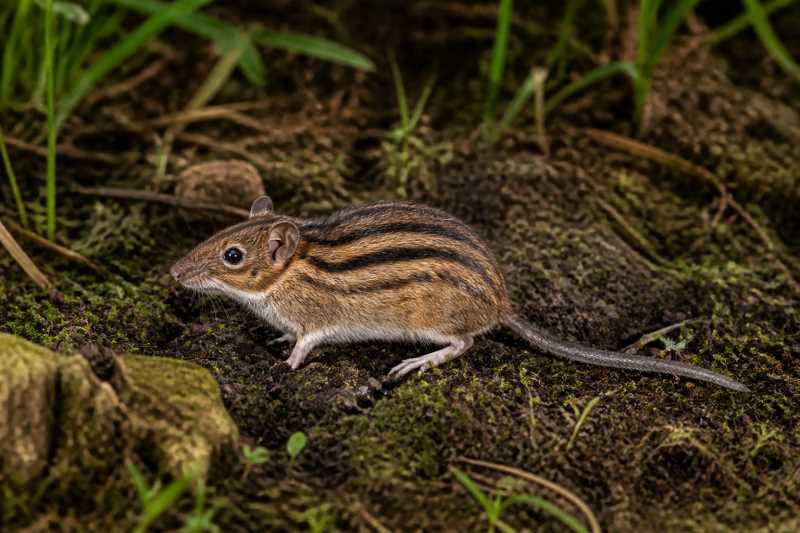
The Cameroon Highland Striped Mouse is a small rodent, with an average body length ranging from 8 to 12 centimeters, excluding the tail, which may add an additional 6 to 10 centimeters. The species is easily identified by its distinctive dorsal stripes, which run along the length of its back. These stripes are typically dark brown or black, contrasting sharply with the lighter, reddish-brown fur that covers the rest of its body. The ventral side of the mouse is usually a lighter cream or grey color.
The mouse’s fur is dense and soft, providing insulation against the cooler temperatures of its highland habitat. Its ears are moderately sized, and its eyes are relatively large, adaptations that enhance its sensory capabilities in the dimly lit undergrowth. The tail of the Cameroon Highland Striped Mouse is covered in short, fine hairs and is used for balance and communication.
Range and Habitat
The Cameroon Highland Striped Mouse is endemic to the highland regions of Cameroon, particularly the western and northwestern parts of the country. This species is typically found at elevations ranging from 1,000 to 2,500 meters above sea level, where it inhabits montane forests and grasslands.
These environments provide the mouse with ample cover and a rich supply of food resources. The species prefers areas with dense vegetation, which offers protection from predators and harsh weather conditions. The Cameroon Highlands are characterized by their rugged terrain, with steep slopes and deep valleys, creating a mosaic of microhabitats that support a diverse array of flora and fauna.
Behavior and Diet
The Cameroon Highland Striped Mouse is primarily nocturnal, spending its nights foraging for food and its days resting in burrows or thick vegetation. Its diet is omnivorous, consisting of seeds, fruits, insects, and small invertebrates. This varied diet allows the species to adapt to seasonal changes in food availability.
Socially, the species is relatively solitary, with individuals maintaining distinct territories. However, during the breeding season, which typically occurs during the wet months, males and females come together to mate. Females give birth to litters of two to four young after a gestation period of approximately 21 days. The young are weaned and independent within a month, allowing the species to maintain stable population levels despite predation pressures.
Identification Tips
Identifying the Cameroon Highland Striped Mouse in the field requires attention to several key characteristics:
- Stripes: Look for the distinct dark dorsal stripes that contrast with the reddish-brown fur.
- Size: Note the small size of the mouse, with a total length including the tail ranging from 14 to 22 centimeters.
- Habitat: This species is typically found in highland areas with dense vegetation.
- Behavior: Observe nocturnal activity patterns, as this species is primarily active at night.
Conservation Status
The conservation status of the Cameroon Highland Striped Mouse is currently assessed as Least Concern by the International Union for Conservation of Nature (IUCN). However, this status does not imply that the species faces no threats. Habitat loss due to agricultural expansion, deforestation, and human settlement poses significant challenges to the species’ survival.
Conservation efforts are focused on preserving the montane habitats that the species relies on. Protected areas within the Cameroon Highlands provide some refuge, but increased conservation efforts are needed to address ongoing habitat degradation. Community-based conservation initiatives and sustainable land-use practices are crucial in ensuring the long-term survival of this species.
Frequently Asked Questions
1. What is the diet of the Cameroon Highland Striped Mouse?
The Cameroon Highland Striped Mouse is an omnivore, feeding on a variety of seeds, fruits, insects, and small invertebrates. This varied diet allows it to adapt to changes in food availability throughout the year.
2. Where can the Cameroon Highland Striped Mouse be found?
This species is endemic to the highland regions of Cameroon, particularly in montane forests and grasslands at elevations between 1,000 and 2,500 meters above sea level.
3. How does the Cameroon Highland Striped Mouse contribute to its ecosystem?
The species plays a vital role in its ecosystem by dispersing seeds and serving as prey for various predators, thus maintaining ecological balance.
4. What are the major threats facing the Cameroon Highland Striped Mouse?
The primary threats include habitat loss due to agricultural expansion, deforestation, and human settlement, which lead to the degradation of its montane habitat.
5. How can the Cameroon Highland Striped Mouse be identified in the wild?
Field identification includes looking for its distinctive dark dorsal stripes, small size, and nocturnal activity patterns, typically in dense vegetation within highland regions.
Related posts