Introduction
The Tokunoshima Spiny Rat (Tokudaia tokunoshimensis) is a unique rodent species that captivates mammalogists and nature enthusiasts alike. This remarkable mammal, endemic to the small island of Tokunoshima in Japan, offers fascinating insights into evolutionary biology and island ecology. As one of the few species of spiny rats, the Tokunoshima Spiny Rat is not only intriguing due to its physical characteristics but also because of its limited range and specialized habitat. Understanding this species is crucial for its conservation, as it faces various threats that could impact its survival.
Physical Description
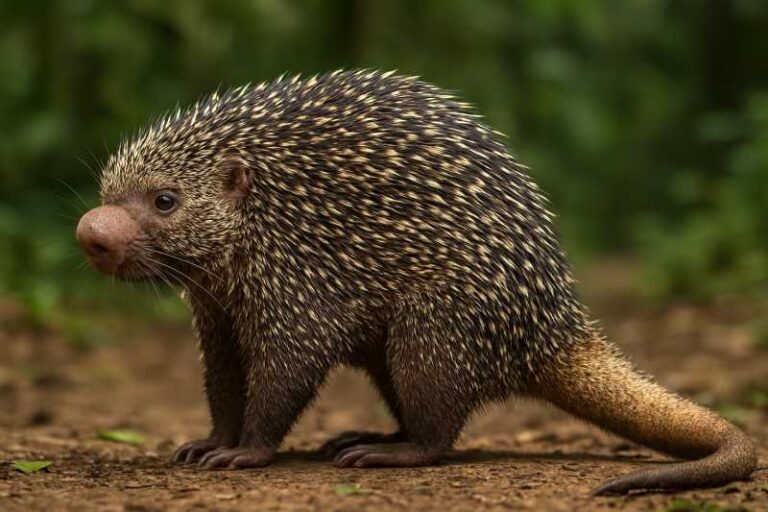
The Tokunoshima Spiny Rat is a medium-sized rodent characterized by its distinct spiny fur, which serves as a protective adaptation. These spines are actually modified hairs that provide a safeguard against predators, making the rat less palatable. The fur is generally brownish-gray with a lighter underside, allowing it to blend seamlessly with the forest floor. Adult Tokunoshima Spiny Rats typically measure about 15 to 20 centimeters in body length, with a tail length of approximately 10 to 15 centimeters.
One of the most notable features is its robust, elongated body and relatively large ears, which are highly sensitive and aid in detecting sounds in its environment. The rat’s incisors are sharp and continuously grow, which is a common trait among rodents, allowing them to gnaw on tough vegetation and seeds.
Range and Habitat
Tokunoshima Spiny Rats are exclusively found on the island of Tokunoshima, part of the Ryukyu Archipelago in Japan. This restricted range makes them highly vulnerable to environmental changes and habitat degradation. The island’s subtropical climate and dense evergreen forests provide an ideal habitat for these rodents.
Their preferred habitats are the undisturbed forest areas where the undergrowth is thick, providing ample cover and food resources. These environments not only offer protection from predators but also support a rich biodiversity that contributes to the rats’ diet. Unfortunately, these habitats are increasingly threatened by human activities, including agriculture and urban development, which fragment their living spaces.
Behavior and Diet
The Tokunoshima Spiny Rat is primarily nocturnal, spending its nights foraging for food and avoiding daytime predators. Their diet consists mainly of seeds, fruits, and leaves, making them important seed dispersers within their ecosystem. Occasionally, they may also consume insects and small invertebrates, providing them with necessary protein.
Social behavior in Tokunoshima Spiny Rats is not extensively documented, but like many rodents, they are likely to have complex social interactions and communication methods, primarily through vocalizations and scent markings.
Identification Tips (Field Recognition Cues)
Identifying a Tokunoshima Spiny Rat in the wild can be challenging due to its elusive nature and nocturnal habits. However, there are several field cues that can assist observers:
- Coloration and Spines: Look for the distinctive spiny fur that sets them apart from other rodents. The spines are more noticeable when the animal is threatened or agitated.
- Size and Shape: Note the medium size and elongated body shape, with a proportionately long tail.
- Ears and Noise: Their large ears are an identifying feature. At night, listen for rustling sounds in the underbrush, which might indicate their presence.
- Habitat: Focus on undisturbed forest areas with dense undergrowth, which are their preferred habitats.
Conservation Status (with threats and protections)
The Tokunoshima Spiny Rat is classified as Critically Endangered by the International Union for Conservation of Nature (IUCN). Several factors contribute to this precarious status:
- Habitat Loss: Expanding agricultural activities, urbanization, and deforestation are the primary threats. These activities fragment their habitats, reducing available space and resources.
- Invasive Species: Predation by non-native species such as cats and dogs poses a significant threat.
- Climate Change: Alterations in climate patterns can impact food availability and habitat conditions.
Conservation efforts are underway to protect this species, focusing on habitat preservation and restoration. Protected areas have been established on Tokunoshima to safeguard critical habitats. Additionally, community education programs aim to raise awareness about the species’ plight and foster local support for conservation measures.
Frequently Asked Questions
What is the Tokunoshima Spiny Rat’s role in its ecosystem?
The Tokunoshima Spiny Rat plays a crucial role as a seed disperser, helping maintain the health and diversity of the forest ecosystem. By consuming and transporting seeds, they contribute to forest regeneration and plant diversity.
How does the Tokunoshima Spiny Rat adapt to its environment?
This species has adapted to its environment through its spiny fur, which offers protection from predators, and its nocturnal lifestyle, which reduces predation risk. Their diet and foraging habits are also finely tuned to the resources available in their forest habitats.
What are the main threats to the Tokunoshima Spiny Rat?
The main threats include habitat loss due to human activities, predation by invasive species, and potential impacts from climate change. These factors combine to create a challenging environment for their survival.
How can we help conserve the Tokunoshima Spiny Rat?
Conservation efforts can be supported by advocating for the protection of their natural habitats, supporting local and global conservation initiatives, and raising awareness about the importance of biodiversity.
Are there any unique features of the Tokunoshima Spiny Rat?
Yes, their spiny fur is a unique adaptation among rodents, providing them with defense against predators. Additionally, their limited geographic range makes them an interesting subject for studying island ecology and evolutionary processes.
Related posts