Introduction
Flower’s Gerbil (Gerbillus floweri) is a small rodent species belonging to the family Muridae. This intriguing mammal is part of the diverse gerbil family, which includes several species adapted to various habitats. Found primarily in the arid regions of Northeast Africa, Flower’s Gerbil is known for its resilience and adaptability to harsh desert environments. This article delves into the physical characteristics, habitat, behavior, and conservation status of Flower’s Gerbil, providing comprehensive insights into this fascinating species.
Physical Description
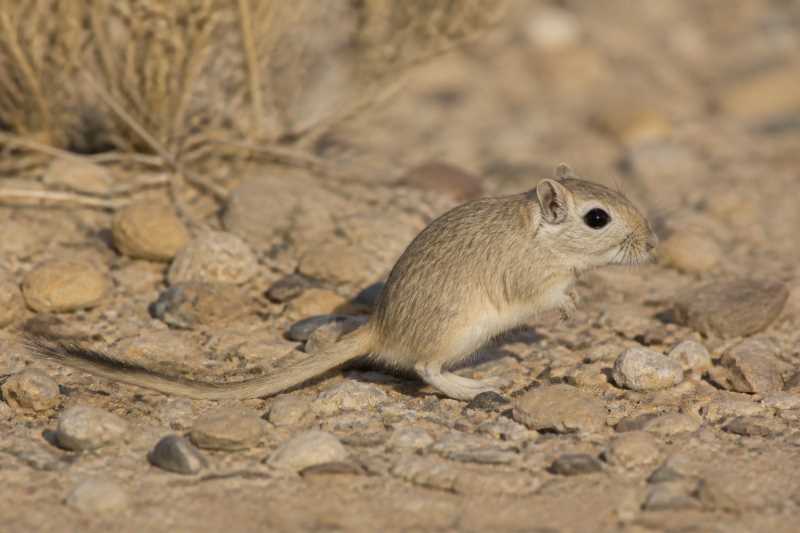
Flower’s Gerbil is characterized by its small size and distinctive features. Adult Flower’s Gerbils typically weigh between 30 to 40 grams and measure approximately 15 to 20 centimeters in length, including the tail. The tail itself is often longer than the body, aiding in balance and agility.
The gerbil’s fur is soft and dense, providing insulation against extreme temperatures. Its coloration is predominantly sandy or light brown, which serves as a camouflage against the desert landscape. The underparts are lighter, usually white or pale cream. Flower’s Gerbil has large, dark eyes adapted for nocturnal activity and long hind legs that facilitate efficient movement across sandy terrains.
Range and Habitat
Flower’s Gerbil is indigenous to the arid and semi-arid regions of Northeast Africa, particularly in countries like Egypt and Libya. These gerbils thrive in desert and semi-desert habitats, including sandy plains, dunes, and rocky areas. They are highly adapted to environments with sparse vegetation, relying on their burrowing skills to escape the harsh climate and predators.
The gerbil constructs intricate burrow systems that provide shelter from extreme temperatures and protection from predators. These burrows also serve as storage spaces for food reserves, which is crucial for survival in regions where food can be scarce.
Behavior and Diet
Flower’s Gerbils are predominantly nocturnal, emerging from their burrows during the cooler nights to forage. Their diet is mainly herbivorous, consisting of seeds, grains, and occasionally roots and insects. This diet provides the necessary nutrients and hydration, as water is often limited in their natural habitat.
Socially, Flower’s Gerbils may live in small family groups or solitary, depending on the availability of resources. They communicate using a range of vocalizations and physical gestures and exhibit territorial behavior to defend their home range.
Identification Tips (Field Recognition Cues)
Identifying Flower’s Gerbil in the wild can be challenging due to their elusive nature and the presence of similar species. However, specific cues can aid in recognition:
- Size and Build: Look for a small, slender rodent with a long tail and hind legs.
- Fur Coloration: Note the sandy brown coloration with lighter underparts.
- Behavior: Observe nocturnal activity and burrowing behavior, which are characteristic of Flower’s Gerbil.
- Habitat: Confine searches to arid regions with sandy or rocky substrates, typical of their natural habitat.
Conservation Status (with Threats and Protections)
Currently, Flower’s Gerbil is listed as Least Concern on the IUCN Red List. However, like many desert-dwelling species, it faces threats from habitat degradation, primarily due to human activities such as agriculture and urban expansion. Additionally, climate change poses a long-term threat to their habitats, potentially altering the fragile desert ecosystems they rely on.
Conservation efforts focus on habitat preservation and raising awareness about the species. Protected areas within their range help mitigate some human-induced threats, although more comprehensive strategies may be needed to ensure their long-term survival.
Frequently Asked Questions
1. What is the natural habitat of Flower’s Gerbil?
Flower’s Gerbil is adapted to arid and semi-arid regions of Northeast Africa, such as deserts and rocky areas. They thrive in environments with sandy substrates and sparse vegetation.
2. How does Flower’s Gerbil adapt to desert environments?
Flower’s Gerbil adapts to desert environments through its nocturnal habits, burrowing behavior, and diet that minimizes water dependence. Its fur provides camouflage, and its long tail aids in balance.
3. What are the main threats to Flower’s Gerbil?
The primary threats include habitat degradation due to agriculture, urban expansion, and climate change. These factors can disrupt their natural habitats and food sources.
4. How can Flower’s Gerbil be distinguished from other gerbil species?
Flower’s Gerbil can be distinguished by its small size, sandy brown fur, long tail, and nocturnal behavior. Its habitat preference for arid regions is also a key identifying feature.
5. Are there conservation efforts in place for Flower’s Gerbil?
Yes, conservation efforts include habitat preservation and protected areas. Raising awareness about the species and its habitat needs is also crucial for its conservation.
Related posts