Verhagen’s Brush-furred Rat: An In-Depth Look
Introduction
Verhagen’s Brush-furred Rat, scientifically known as Lophuromys verhageni, is a fascinating rodent species that has garnered significant attention from wildlife enthusiasts and researchers alike. This elusive mammal, belonging to the family Muridae, is part of the diverse ecosystem of the African continent. Known for its distinctive appearance and intriguing behavior, Verhagen’s Brush-furred Rat plays a crucial role in its habitat, contributing to the ecological balance. This article aims to provide an extensive overview of this unique species, delving into its physical characteristics, habitat preferences, and conservation status.
Physical Description
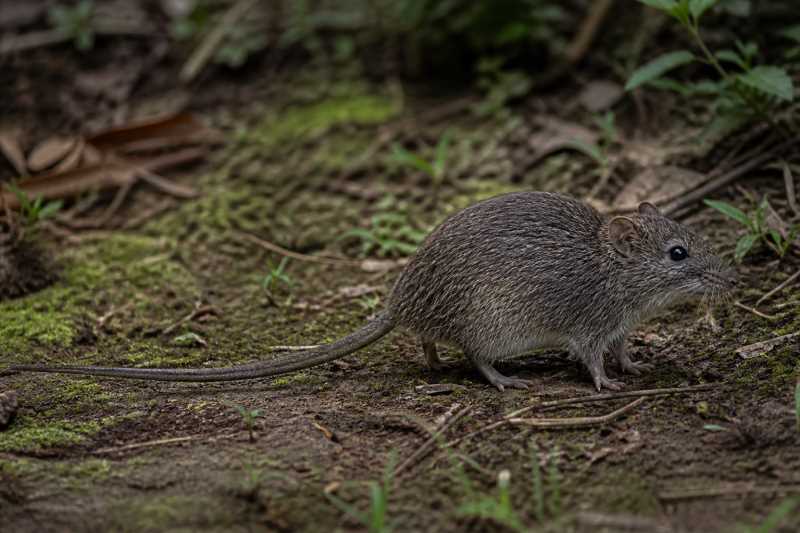
The Verhagen’s Brush-furred Rat is distinguished by its robust body and dense, bristle-like fur that provides protection against harsh environmental elements. Typically, the fur coloration ranges from a dark brown to a more subdued gray, allowing the rat to blend seamlessly into its natural surroundings. This adaptive coloration is a crucial survival trait, offering camouflage from predators.
The species is relatively small, with an average body length ranging from 12 to 18 centimeters, excluding the tail. The tail itself is shorter than the body, a feature that differentiates it from other rodent species. The rat’s ears are small and rounded, while its eyes are large and expressive, indicating a reliance on acute vision for nocturnal activities.
The limbs of Verhagen’s Brush-furred Rat are strong and well-adapted for digging and climbing, facilitating its movement through the diverse terrains it inhabits. Its incisors are sharp and continuously growing, a common trait among rodents, enabling it to gnaw on a variety of food sources.
Range and Habitat
Verhagen’s Brush-furred Rat is native to the lush landscapes of Tanzania, where it predominantly inhabits montane and submontane forests. These forests provide an abundance of shelter and food resources, making them ideal habitats for this species. The rat is usually found at elevations ranging from 1,200 to 2,500 meters, where the climate is cooler and the vegetation is dense.
This species exhibits a preference for areas with thick undergrowth and abundant leaf litter, which offer ample cover from predators. The forest floor, with its complex network of roots and decaying vegetation, provides the perfect environment for nesting and foraging.
Behavior and Diet
Verhagen’s Brush-furred Rat is primarily nocturnal, with most of its activities occurring under the cover of darkness. This behavior reduces the risk of predation and allows it to exploit food resources with minimal competition from diurnal species.
The diet of this species is omnivorous, comprising a variety of seeds, fruits, and small invertebrates. This dietary flexibility allows the rat to adapt to changing food availability and seasonal variations in its environment. Foraging activities are typically solitary, although individuals may occasionally be observed in pairs or small groups when food is abundant.
Social interactions among Verhagen’s Brush-furred Rats are generally limited, with individuals maintaining discrete territories. Communication is primarily through vocalizations and scent markings, which help establish and reinforce territorial boundaries.
Identification Tips (Field Recognition Cues)
Identifying Verhagen’s Brush-furred Rat in the wild can be challenging due to its elusive nature and the dense habitats it occupies. However, several key characteristics can aid in its recognition:
- Fur Texture and Color: Look for the distinctive brush-like texture of the fur and its dark brown to gray coloration.
- Size and Shape: Note the small size, rounded ears, and short tail relative to the body length.
- Behavior: Observe nocturnal activity patterns and solitary foraging behavior.
- Habitat: Focus on dense forested areas with ample ground cover, particularly at higher elevations.
Conservation Status (With Threats and Protections)
The conservation status of Verhagen’s Brush-furred Rat has not been extensively studied, and it is currently not listed on the IUCN Red List. However, given its restricted range and specific habitat preferences, the species may be vulnerable to habitat destruction and environmental changes.
Threats to this species primarily include deforestation and habitat fragmentation due to agricultural expansion and logging activities. These practices not only reduce available habitat but also disrupt the ecological balance of forest ecosystems.
Conservation measures that could benefit Verhagen’s Brush-furred Rat include the establishment and enforcement of protected areas within its natural range. Additionally, promoting sustainable land-use practices and raising awareness about the importance of biodiversity in montane forests can help mitigate some of the threats faced by this species.
Frequently Asked Questions
What is the natural habitat of Verhagen’s Brush-furred Rat?
Verhagen’s Brush-furred Rat is primarily found in the montane and submontane forests of Tanzania, thriving in areas with dense undergrowth and abundant leaf litter.
What do Verhagen’s Brush-furred Rats eat?
These rats have an omnivorous diet, feeding on seeds, fruits, and small invertebrates, which allows them to adapt to varying food availability.
How do Verhagen’s Brush-furred Rats communicate?
Communication among these rats is mainly through vocalizations and scent markings, which help in establishing and maintaining territorial boundaries.
Are Verhagen’s Brush-furred Rats endangered?
While not currently listed as endangered, the species may face threats from habitat destruction and environmental changes, warranting further study and potential conservation efforts.
How can Verhagen’s Brush-furred Rat be identified in the wild?
Key identification features include its brush-like fur texture, small size, rounded ears, short tail, and preference for nocturnal activity in dense forested areas.
Related posts