Ethiopian Forest Brush-furred Rat (Lophuromys chrysopus)
Introduction
The Ethiopian Forest Brush-furred Rat, scientifically known as Lophuromys chrysopus, is a small mammal that plays a crucial role in the ecosystem of the Ethiopian highlands. As a member of the Muridae family, this species contributes to the rich biodiversity of the region. Despite its importance, it remains relatively obscure in scientific literature, making it a fascinating subject for both researchers and nature enthusiasts.
Physical Description
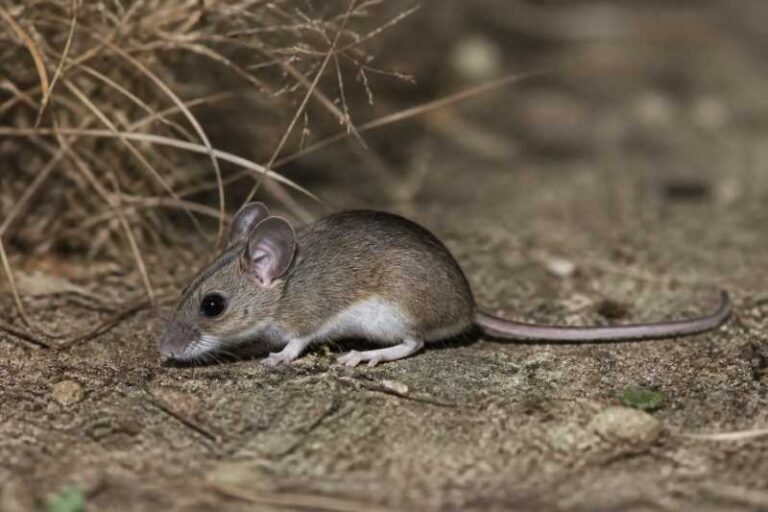
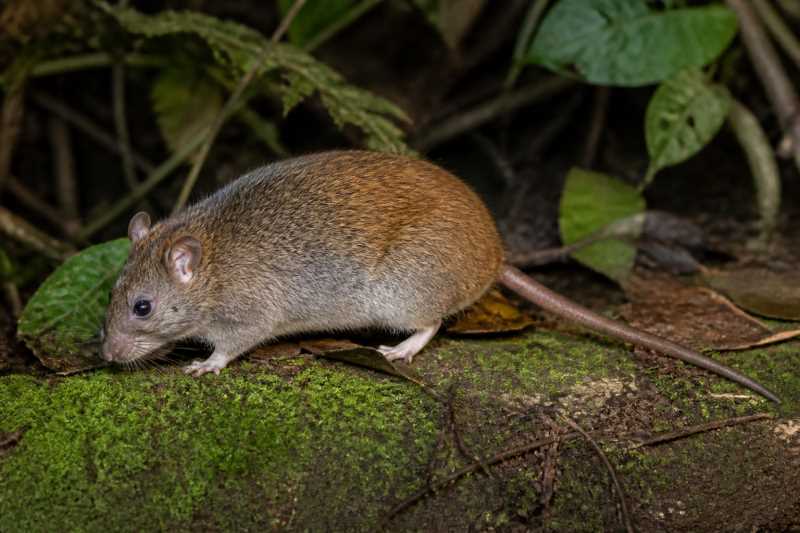
The Ethiopian Forest Brush-furred Rat is a medium-sized rodent characterized by its distinctive fur and robust body structure. It typically measures between 12 to 15 centimeters in body length, excluding the tail, which adds an additional 8 to 10 centimeters. The fur is dense and soft, predominantly featuring a mix of brown and gray tones, which provide excellent camouflage against the forest floor. Notably, the fur on its underbelly is lighter, often appearing white or cream-colored. Its ears are small and rounded, while its eyes are large, providing excellent vision for navigating its dense forest habitat.
The robust build of the Ethiopian Forest Brush-furred Rat is supported by strong limbs, which are particularly adapted for digging and climbing. This adaptation is essential for its survival, as it often forages both on the ground and in trees. Its claws are sharp and curved, aiding in both climbing and excavation for nesting.
Range and Habitat
Endemic to Ethiopia, the Ethiopian Forest Brush-furred Rat is predominantly found in the highland forests of the country. Its range is confined to the dense, moist forests that thrive at altitudes between 1,500 and 3,200 meters. These forests provide a rich tapestry of flora, which in turn supports a diverse array of fauna, including the Ethiopian Forest Brush-furred Rat.
The habitat is characterized by a thick canopy that filters sunlight, creating a cool and humid environment on the forest floor. This microclimate is ideal for the various plant species that constitute the rat’s diet, as well as providing ample cover from predators. Additionally, the presence of fallen logs and dense underbrush offers numerous burrowing opportunities for shelter and nesting.
Behavior and Diet
The Ethiopian Forest Brush-furred Rat is predominantly nocturnal, venturing out at night to forage for food. Its diet is omnivorous, consisting of a variety of plant materials such as seeds, fruits, and leaves, as well as small invertebrates. This dietary flexibility allows it to adapt to seasonal changes in food availability.
Socially, this species is relatively solitary, although it may exhibit social behaviors during mating seasons. Communication between individuals is primarily through scent markings and auditory signals, which are crucial for maintaining territories and attracting mates. Nesting behavior involves creating burrows or utilizing natural crevices and abandoned nests, where they rear their young.
Identification Tips (Field Recognition Cues)
Identifying the Ethiopian Forest Brush-furred Rat in the wild requires keen observation skills. Here are some tips to help you recognize this elusive rodent:
- Fur Coloration: Look for the unique mix of brown and gray fur with a lighter underbelly.
- Size and Shape: Note the medium size, around 12 to 15 centimeters in body length, with a proportionate tail.
- Habitat: Focus on highland forest areas, especially during night excursions.
- Behavior: Observe for nocturnal activity patterns and listen for rustling sounds in the underbrush.
Conservation Status (with Threats and Protections)
Currently, the Ethiopian Forest Brush-furred Rat is classified as "Least Concern" by the International Union for Conservation of Nature (IUCN). However, its habitat faces significant threats from deforestation, agricultural expansion, and human encroachment. These activities lead to habitat fragmentation, which poses a risk to the species’ long-term survival.
Conservation efforts are focused on preserving the highland forest ecosystems, which are vital not only for the Ethiopian Forest Brush-furred Rat but also for countless other endemic species. Protected areas and national parks within Ethiopia play a crucial role in this endeavor. Continued research and monitoring are essential to ensure that this species remains out of danger.
Frequently Asked Questions
1. What does the Ethiopian Forest Brush-furred Rat eat?
The Ethiopian Forest Brush-furred Rat has an omnivorous diet, primarily consuming seeds, fruits, leaves, and small invertebrates. This varied diet allows it to adapt to changes in food availability throughout the year.
2. Where can I find the Ethiopian Forest Brush-furred Rat?
This species is endemic to Ethiopia and is typically found in the highland forests at altitudes between 1,500 and 3,200 meters. These areas provide the ideal habitat with the necessary food and cover.
3. How does the Ethiopian Forest Brush-furred Rat contribute to its ecosystem?
As an omnivore, it helps in seed dispersal and controls insect populations, thereby maintaining ecological balance. Its burrowing behavior also aids in soil aeration.
4. Is the Ethiopian Forest Brush-furred Rat endangered?
Currently, it is listed as "Least Concern" by the IUCN, but its habitat is under threat from deforestation and human activities, which could affect its future status.
5. How can we help conserve the Ethiopian Forest Brush-furred Rat?
Supporting conservation efforts that focus on preserving Ethiopia’s highland forests is crucial. This includes advocating for sustainable land use practices and supporting protected areas.
Related posts