Introduction
The Forest Small Rice Rat, scientifically known as Microryzomys minutus, is a fascinating member of the rodent family that inhabits the lush forests of South America. This diminutive creature plays a crucial role in its ecosystem, contributing to seed dispersal and serving as prey for larger predators. Despite its small size, the Forest Small Rice Rat exhibits a range of interesting behaviors and adaptations that make it a subject of interest for researchers and wildlife enthusiasts alike.
Physical Description
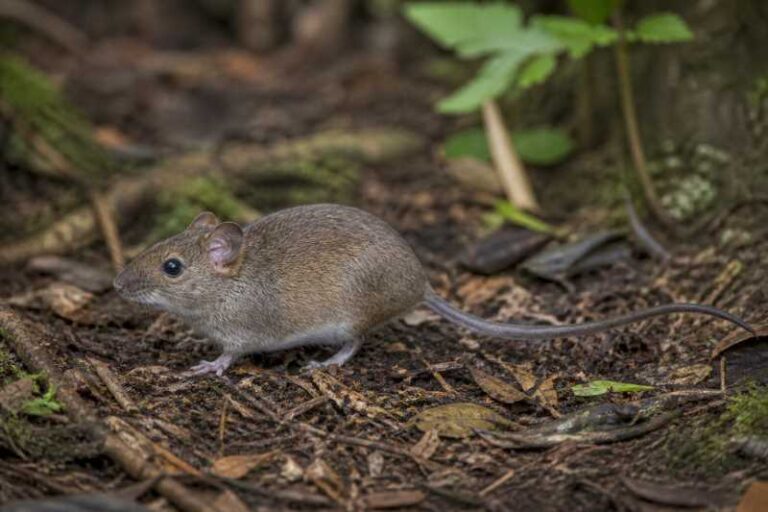
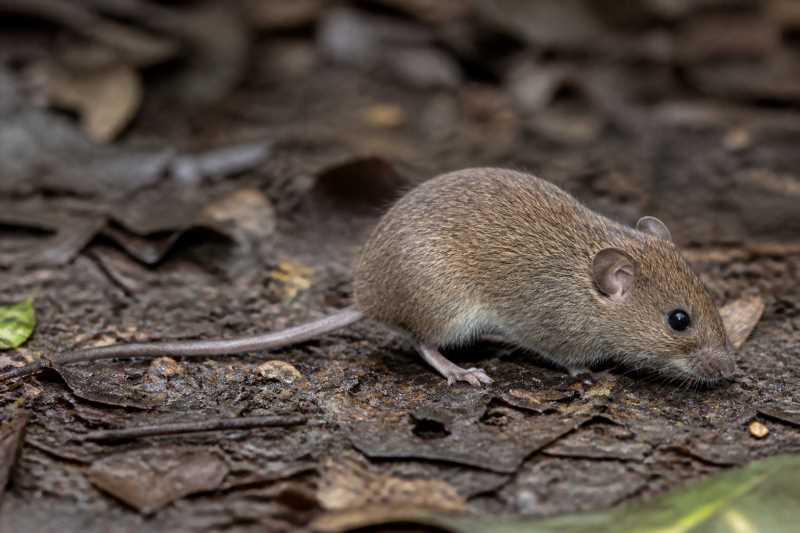
The Forest Small Rice Rat is a small-sized rodent, with adults typically measuring between 10 to 14 centimeters in length, including the tail. The tail itself can be as long as the body, adding to its agile appearance. The fur is generally soft and dense, providing insulation against the cool, moist environments it inhabits. The coloration of the fur is usually a greyish-brown, with a lighter underbelly, which provides effective camouflage against the forest floor. The eyes are relatively large, reflecting its nocturnal habits, and the ears are small and rounded, aiding in its ability to detect predators.
Range and Habitat
Microryzomys minutus is primarily found in the montane regions of the Andes, spanning countries like Colombia, Ecuador, Peru, and Bolivia. This rodent prefers moist, forested areas, thriving in cloud forests and other high-altitude woodlands. The altitudinal range for this species is generally between 1,500 and 3,500 meters. The Forest Small Rice Rat is well-adapted to its environment, often residing in areas with thick undergrowth and abundant leaf litter, which provide ample hiding spots and foraging opportunities.
Behavior and Diet
Primarily nocturnal, the Forest Small Rice Rat is most active during the night. It is an omnivorous creature, with a diet consisting of seeds, fruits, insects, and other small invertebrates. This varied diet allows it to adapt to different food availabilities throughout the year. The species is known for its agility, using its long tail for balance as it navigates the complex forest environment. Its foraging behavior plays a significant role in seed dispersal, contributing to the ecological health of its habitat.
Socially, the Forest Small Rice Rat is relatively solitary, with individuals often maintaining separate territories. This behavior reduces competition for food resources and minimizes encounters with predators.
Identification Tips (Field Recognition Cues)
Identifying the Forest Small Rice Rat in the field requires attention to several key characteristics:
- Size and Shape: Look for a small, agile rodent with a long tail roughly equal to its body length.
- Fur Coloration: Note the greyish-brown fur with a lighter underbelly, which blends with the forest floor.
- Nocturnal Activity: Spotting them is easier at night due to their nocturnal nature. Use red light to avoid startling them.
- Habitat: Focus on montane forests within its altitudinal range, especially areas with dense undergrowth.
Conservation Status (With Threats and Protections)
Currently, the International Union for Conservation of Nature (IUCN) lists the Forest Small Rice Rat as a species of Least Concern. This classification reflects its relatively wide distribution and presumed large population. However, like many forest-dwelling species, it faces threats from habitat destruction due to agriculture, logging, and urban expansion.
Conservation efforts for the Forest Small Rice Rat are primarily habitat-focused, involving the protection of forest areas and the establishment of reserves. Sustainable land-use practices and reforestation projects are crucial for maintaining the ecological balance necessary for this species’ survival.
Frequently Asked Questions
What does the Forest Small Rice Rat eat?
The Forest Small Rice Rat is omnivorous, primarily consuming seeds, fruits, insects, and small invertebrates. Its diet varies with seasonal availability, showcasing its adaptability.
Where can I find the Forest Small Rice Rat?
This species is found in the montane regions of the Andes, particularly in moist, forested areas with altitudes ranging from 1,500 to 3,500 meters.
How does the Forest Small Rice Rat contribute to its ecosystem?
As a seed disperser and prey species, the Forest Small Rice Rat plays a vital role in maintaining the ecological balance within its forest habitat.
Is the Forest Small Rice Rat endangered?
Currently, the Forest Small Rice Rat is classified as Least Concern by the IUCN, but it faces threats from habitat destruction due to human activities.
What are the key features to identify a Forest Small Rice Rat?
Key features include a small size, long tail, greyish-brown fur with a lighter underbelly, and nocturnal activity patterns.
Related posts