Introduction
The Big-headed Rice Rat, scientifically known as Euryoryzomys legatus, is a fascinating mammalian species that is part of the Cricetidae family. This rodent is of significant interest to biologists and ecologists due to its distinct characteristics and ecological role within its habitat. The Big-headed Rice Rat is primarily found in South America, where it inhabits a range of environments from tropical forests to agricultural lands. Understanding the biology and ecology of this species is crucial for conservation efforts and provides insights into the biodiversity of the regions it inhabits.
Physical Description
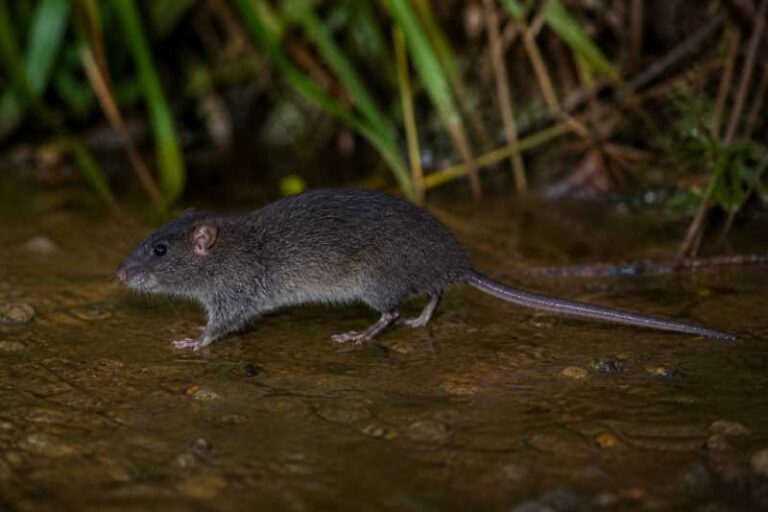
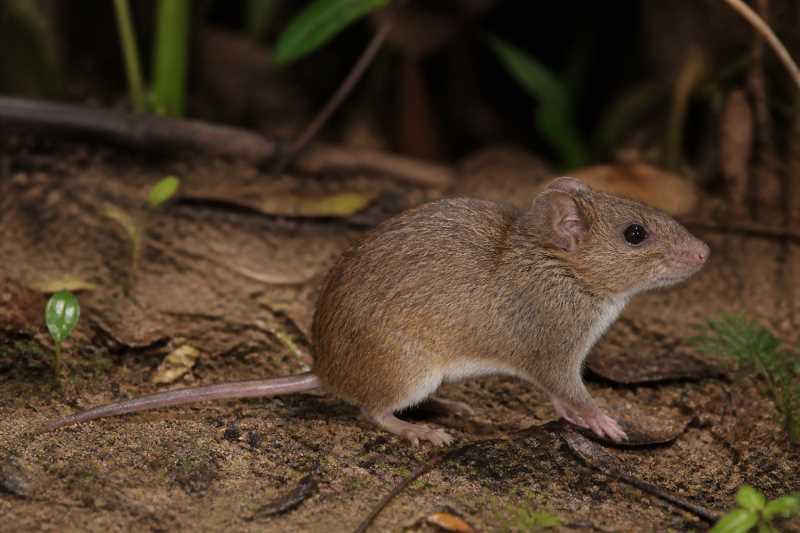
The Big-headed Rice Rat is aptly named for its relatively large cranium compared to its body size, a feature that distinguishes it from other rice rat species. Adult individuals typically measure between 15 to 20 centimeters in total length, including their tail, which is usually half of the total body length. Their weight ranges from 80 to 120 grams, depending on factors such as age and diet.
The fur of the Big-headed Rice Rat is generally soft and dense, with a coloration that varies from a light brown to a more reddish hue on the dorsal side, while the ventral side is often a lighter gray or off-white. The tail is sparsely furred and matches the dorsal coloration to provide camouflage in their natural habitat. The large eyes and ears of the Big-headed Rice Rat are adapted for heightened sensory reception, aiding in nocturnal activities.
Range and Habitat
Geographically, the Big-headed Rice Rat is primarily distributed across various regions in South America, including parts of Brazil, Bolivia, and Paraguay. This species thrives in diverse habitats ranging from lowland tropical forests to secondary forests and even agricultural fields where rice and other crops are cultivated.
The adaptability of Euryoryzomys legatus to different environments is notable. It prefers areas with ample ground cover, such as dense underbrush or tall grasses, which offer protection from predators. In agricultural settings, these rodents can often be found near water sources, as they are attracted to moist environments that support their food supply.
Behavior and Diet
The Big-headed Rice Rat is predominantly nocturnal, exhibiting peak activity during the night when it forages for food. This behavior reduces the risk of predation and takes advantage of the cooler temperatures.
Dietarily, Euryoryzomys legatus is omnivorous, consuming a variety of foods such as seeds, fruits, insects, and small invertebrates. In agricultural regions, they are known to feed on cultivated crops, which can sometimes bring them into conflict with farmers. Their dietary flexibility is a key factor in their survival across different habitats.
Socially, these rodents tend to be solitary or form small family groups. They communicate through vocalizations and scent markings, which play a crucial role in territory establishment and mating.
Identification Tips (Field Recognition Cues)
Identifying the Big-headed Rice Rat in the field requires attention to several key characteristics:
- Head Size: One of the most distinct features is the large head in proportion to its body. This is a primary identifying mark.
- Dorsal Fur Color: Look for the light brown to reddish hue on the dorsal side, which can help differentiate it from other similar rodents.
- Tail Length: The tail is about the same length as the body and sparsely furred, which is a distinguishing trait.
- Behavior: Observing nocturnal foraging behavior can also aid identification.
These cues, combined with habitat context, make it easier to accurately identify the Big-headed Rice Rat in the wild.
Conservation Status (with Threats and Protections)
The conservation status of the Big-headed Rice Rat is currently classified as "Least Concern" by the International Union for Conservation of Nature (IUCN). However, like many species, it faces threats from habitat destruction and fragmentation, particularly due to deforestation and agricultural expansion in South America.
In agricultural areas, the species sometimes faces persecution as a pest, although its actual impact on crops is often minimal compared to larger rodent species. Conservation efforts focus on habitat preservation and sustainable agricultural practices that minimize the impact on local wildlife.
Protected areas within its range provide some level of security, but continued monitoring and research are essential to ensure that populations remain stable and that any emerging threats are addressed promptly.
Frequently Asked Questions
1. What is the primary habitat of the Big-headed Rice Rat?
The Big-headed Rice Rat primarily inhabits lowland tropical forests, secondary forests, and agricultural areas. It prefers environments with dense ground cover and proximity to water sources.
2. How can I distinguish the Big-headed Rice Rat from other rodent species?
Distinct features such as the large head size, the coloration of the fur, and the tail length are key identifiers. Additionally, its nocturnal behavior and habitat preferences can help distinguish it from other rodents.
3. What role does the Big-headed Rice Rat play in its ecosystem?
As an omnivore, the Big-headed Rice Rat contributes to seed dispersal and the control of insect populations, playing a crucial role in maintaining the ecological balance of its habitat.
4. Are Big-headed Rice Rats considered pests?
In some agricultural settings, they may be considered pests due to their feeding on crops. However, their impact is generally less significant compared to other rodent species.
5. What conservation measures are in place for the Big-headed Rice Rat?
Conservation efforts focus on habitat preservation and promoting sustainable agricultural practices. Protected areas within its range also offer some level of protection for this species.
Related posts