Southern Deermouse: A Comprehensive Guide to Peromyscus labecula
Introduction
The Southern Deermouse (Peromyscus labecula) is a small, nocturnal mammal that plays an essential role in its ecosystem. Known for its adaptability and resilience, this species occupies a variety of habitats across North America. Understanding the Southern Deermouse’s characteristics, behaviors, and challenges is crucial for appreciating the biodiversity of the regions it inhabits.
Physical Description
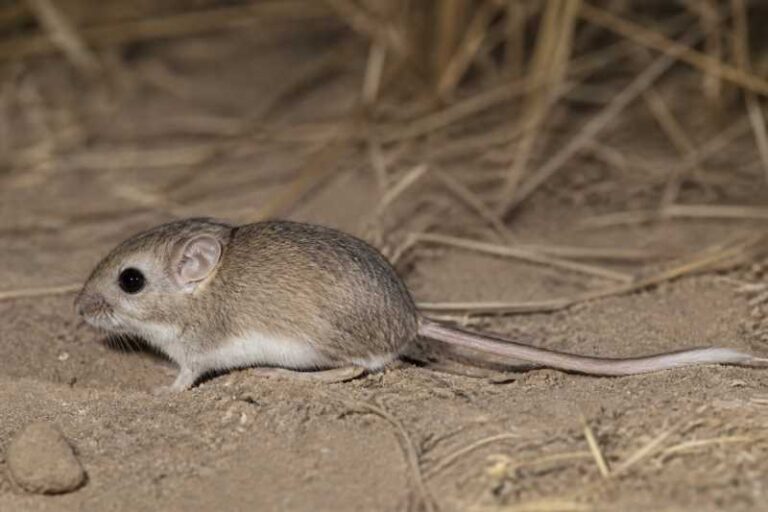
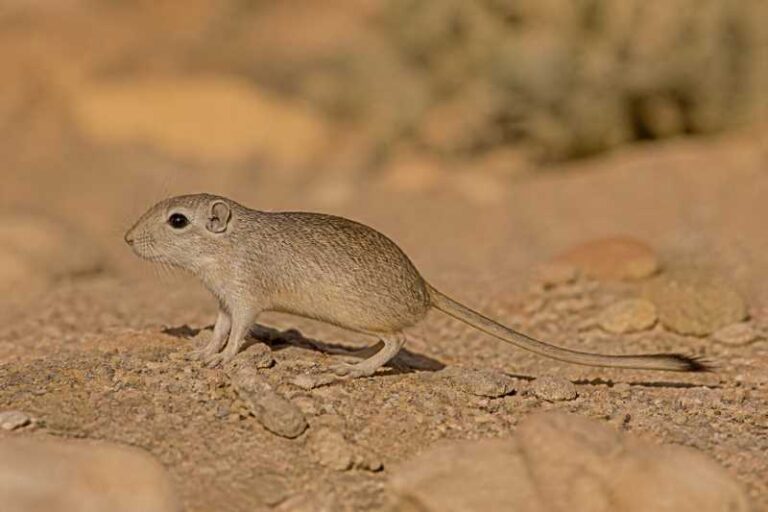
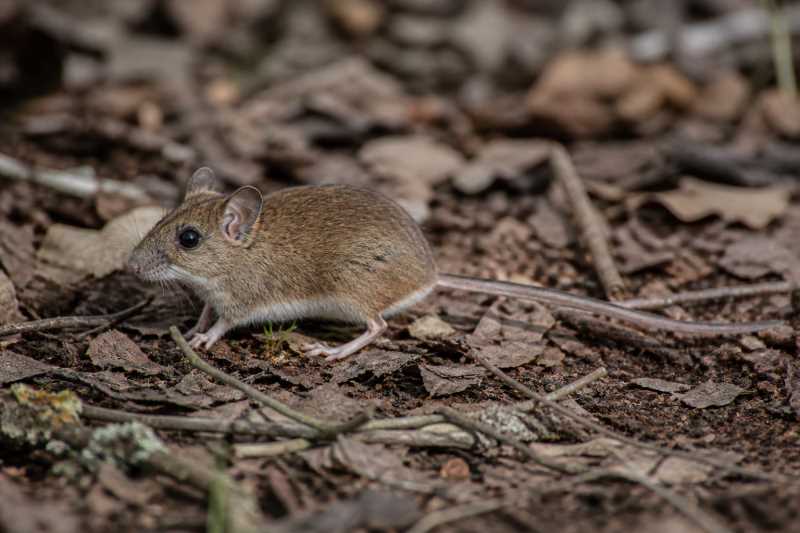
The Southern Deermouse is a small rodent with a body length ranging from 7 to 10 cm, and a tail that adds another 6 to 13 cm. Its weight varies between 15 to 30 grams. The species is characterized by soft, silky fur that is generally grayish-brown on the back and white on the belly. This color contrast aids in camouflage against predators. Its large eyes and ears are well-adapted for nocturnal activity, providing excellent night vision and acute hearing.
Range and Habitat
Southern Deermice are found predominantly in the Southwestern United States, including Texas, New Mexico, and Arizona, extending into parts of Mexico. They thrive in a variety of environments, such as grasslands, woodlands, and semi-arid regions. The species shows remarkable adaptability, often residing in areas with a mix of shrubs and open spaces, which provide ample food sources and shelter.
Behavior and Diet
Primarily nocturnal, Southern Deermice are most active during the night. They are adept climbers and are known for their agile movements. These mice are territorial and solitary, often marking their domain with scent markings. Their diet is omnivorous, consisting of seeds, fruits, insects, and small invertebrates. This varied diet helps them survive in different environments and contributes to seed dispersal, which is beneficial for plant reproduction.
Identification Tips (Field Recognition Cues)
Identifying the Southern Deermouse in the wild involves observing several key characteristics. Look for the following cues:
- Size and Shape: Small and light, with a distinctive long tail that exceeds the body length.
- Coloration: Grayish-brown fur on the back and white undersides.
- Behavior: Active at night, often seen climbing or foraging.
- Vocalizations: High-pitched squeaks, often heard during territorial disputes.
Conservation Status (with Threats and Protections)
Currently, the Southern Deermouse is classified as a species of Least Concern by the IUCN Red List. However, certain populations face threats from habitat destruction due to agricultural expansion and urban development. Predation by domestic cats and other introduced species also poses a risk. Conservation efforts focus on habitat preservation and reducing human-induced threats. Protected areas and wildlife corridors are vital for maintaining healthy populations.
Frequently Asked Questions
1. What is the lifespan of a Southern Deermouse? Southern Deermice typically live for about 1 to 2 years in the wild, although some individuals may reach up to 3 years under favorable conditions.
2. How do Southern Deermice contribute to their ecosystem? They play a crucial role in seed dispersal and as prey for various predators, thus maintaining ecological balance.
3. Are Southern Deermice dangerous to humans? While they are not inherently dangerous, they can carry diseases such as hantavirus. It’s important to exercise caution and avoid direct contact.
4. What adaptations help Southern Deermice survive in their environment? Their nocturnal behavior, keen senses, and climbing ability are key adaptations that help them evade predators and find food.
5. How can I help conserve Southern Deermice? Support conservation efforts aimed at habitat preservation and participate in local initiatives to protect natural areas.
Related posts