Introduction
The Western Pocket Gopher, scientifically known as Thomomys mazama, is a fascinating creature belonging to the order Rodentia and family Geomyidae. These subterranean rodents are endemic to the western regions of North America. Known for their distinctive burrowing habits and ecological importance, Western Pocket Gophers contribute significantly to soil aeration and nutrient cycling. This article delves into various aspects of this remarkable species, exploring their physical characteristics, habitat preferences, behaviors, and conservation status.
Physical Description
The Western Pocket Gopher is a small to medium-sized rodent, typically ranging from 15 to 25 centimeters in length, excluding the tail, which adds an additional 5 to 10 centimeters. Their weight varies between 100 and 300 grams, with males generally larger than females.
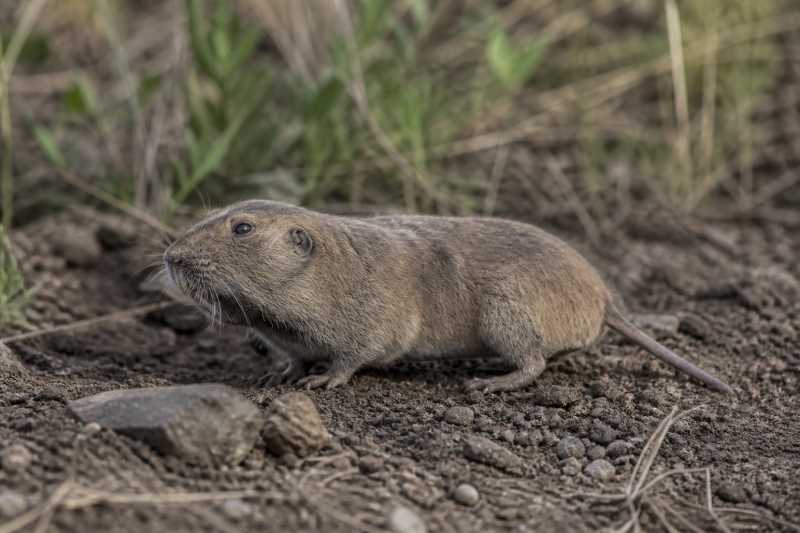
These gophers possess a robust, cylindrical body adapted for a subterranean lifestyle. Their dense fur coat, which ranges in color from gray to brown, provides excellent camouflage against the soil. One of their most distinctive features is the fur-lined cheek pouches, or "pockets," used for transporting food. These pockets open externally and can be turned inside out for cleaning.
Their forelimbs are remarkably strong, equipped with long, sharp claws designed for efficient digging. The head is relatively large, with small eyes and ears that minimize the ingress of soil while tunneling. Despite their small eyes, Western Pocket Gophers have keen senses of touch and smell, aiding them in navigating the dark underground environment.
Range and Habitat
Western Pocket Gophers inhabit a range of environments across the western United States, including parts of Oregon, California, and Washington. They thrive in varied habitats, from grasslands and meadows to forest edges and agricultural fields.
These gophers prefer loose, well-drained soils that facilitate burrowing. Sandy and loamy soils are particularly favored, as they allow for the construction of extensive tunnel systems. Their burrows typically consist of a main tunnel with several lateral branches, which can span several meters underground. These burrows serve multiple purposes, including protection from predators, food storage, and nesting sites.
Behavior and Diet
Western Pocket Gophers are solitary and territorial animals, with individuals occupying exclusive burrow systems. They are active year-round, though primarily nocturnal, and spend most of their lives underground. Their burrowing activity is most evident during the spring and fall when they are actively foraging and expanding their tunnels.
Their diet is predominantly herbivorous, consisting mainly of roots, tubers, and bulbs. They also consume grasses, leaves, and stems. The gophers use their powerful forelimbs and incisors to excavate and clip vegetation before transporting it back to their burrows in their cheek pouches.
Identification Tips
Identifying Western Pocket Gophers in the field requires keen observation of physical and behavioral traits:
- Burrow Signs: Look for fan-shaped soil mounds with a plug at one end, indicating recent burrowing activity.
- Body Shape and Size: Note their cylindrical body, small eyes, and large foreclaws.
- Fur Coloration: Observe the gray to brown fur, which blends with the soil.
- Behavior: Watch for solitary behavior and nocturnal activity patterns.
Conservation Status
The conservation status of the Western Pocket Gopher varies by region. While they are not globally threatened, certain populations face pressures from habitat loss and agricultural practices. Urban development and land conversion for agriculture can lead to habitat fragmentation, reducing the availability of suitable burrowing sites.
Conservation efforts focus on habitat protection and management. In some areas, gopher populations are monitored, and land-use practices are adjusted to minimize impact. Moreover, Western Pocket Gophers play a crucial ecological role, and their presence is indicative of healthy soil ecosystems.
Frequently Asked Questions
1. Are Western Pocket Gophers dangerous to humans?
Western Pocket Gophers are not dangerous to humans. They are shy, solitary creatures that avoid human interaction. However, their burrowing activity can sometimes damage lawns and gardens.
2. How do Western Pocket Gophers benefit the ecosystem?
These gophers are essential for soil health, as their tunneling aerates the soil and enhances nutrient cycling. They also aid in seed dispersal and provide food for predators.
3. What is the best way to manage gopher activity in gardens?
Managing gopher activity can be challenging. Non-lethal methods such as creating physical barriers, using repellents, and encouraging natural predators are effective strategies.
Related posts