Introduction
Buller’s Chipmunk, scientifically known as Neotamias bulleri, is a captivating member of the rodent family Sciuridae. This chipmunk species is less commonly known compared to its relatives but holds significant ecological importance and interest among wildlife enthusiasts and researchers. Native to the high-altitude regions of Mexico, Buller’s Chipmunk is particularly noted for its distinct features and adaptability to specific environments.
Understanding the life and habitat of Buller’s Chipmunk provides insight into the intricate balance of ecosystems and the role small mammals play in the broader environmental context. This article delves into the physical characteristics, behaviors, and conservation challenges facing this unique species.
Physical Description
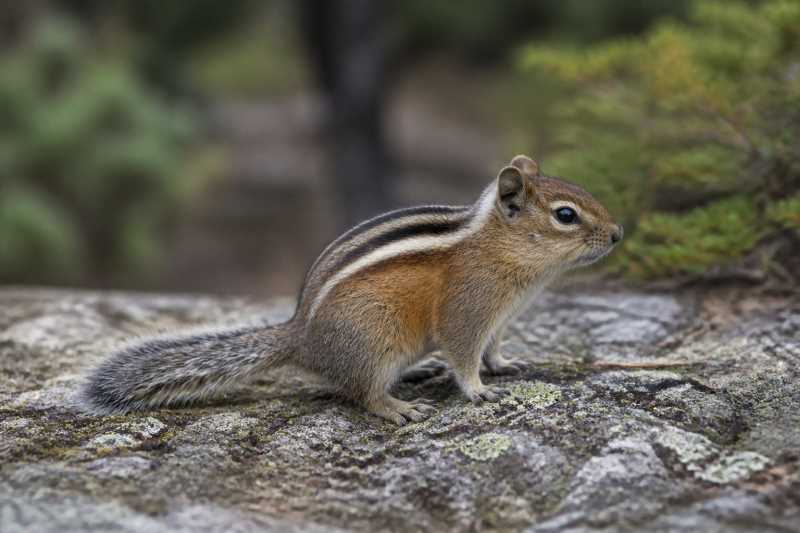
Buller’s Chipmunk is a small rodent characterized by its compact body, measuring around 22 to 25 centimeters in total length, including its bushy tail. The tail alone can be approximately 10 to 12 centimeters, acting as a balancing tool and a visual signal to other chipmunks. The species displays a distinct fur pattern, with a grayish-brown coat adorned with five dark stripes running longitudinally down its back, extending to the tail. These stripes are interspersed with lighter, sometimes whitish stripes, providing excellent camouflage in their natural habitat.
The chipmunk’s face is marked by lighter and darker stripes, giving it a masked appearance. Its cheeks are notably expandable, allowing it to store food efficiently. The ears are rounded and moderately sized, providing acute hearing abilities crucial for detecting predators.
Range and Habitat
Neotamias bulleri is endemic to the Sierra Madre Occidental in Mexico. Its range primarily includes high-altitude forests, often characterized by cool climates and dense vegetation. These chipmunks are typically found at elevations ranging from 2,000 to 3,000 meters, where they inhabit mixed coniferous forests, particularly favoring areas with a significant presence of pines and firs.
The habitat of Buller’s Chipmunk is defined by its rugged terrain, with rocky outcrops and dense underbrush offering both shelter and abundant food sources. These environments are critical for their survival, providing the necessary resources for nesting and foraging.
Behavior and Diet
Buller’s Chipmunk is a diurnal creature, active primarily during the day. It showcases a variety of behaviors typical of chipmunks, including foraging, hoarding, and territorial defense. These animals are solitary outside of the breeding season, with each individual maintaining a distinct territory.
The diet of Neotamias bulleri is omnivorous, consisting of seeds, nuts, fruits, and small invertebrates. The chipmunks play a vital role in their ecosystem by aiding seed dispersal, which is critical for forest regeneration. They exhibit food-hoarding behavior, storing excess food in burrows to ensure adequate resources during leaner months.
Identification Tips (Field Recognition Cues)
Identifying Buller’s Chipmunk in the wild can be challenging due to its elusive nature and habitat preferences. However, there are several field cues that can assist in recognition:
- Distinct Stripes: Look for the characteristic dark and light stripes along the back and sides.
- Habitat: Focus on high-altitude coniferous forests where these chipmunks are most commonly found.
- Activity Patterns: Observe during daylight hours when they are most active.
- Vocalizations: Listen for their sharp, high-pitched calls often used for communication and alarm.
Conservation Status (with Threats and Protections)
The conservation status of Buller’s Chipmunk is currently assessed as Near Threatened by the International Union for Conservation of Nature (IUCN). This classification is primarily due to habitat loss and degradation, driven by deforestation and land conversion for agriculture and urban development.
Climate change poses an additional threat, as alterations in temperature and precipitation patterns can disrupt the delicate balance of their high-altitude environments. Protective measures for this species include habitat conservation efforts, legal protection under Mexican wildlife laws, and the establishment of protected areas within their natural range.
Conservationists emphasize the importance of continued research and monitoring to better understand the population dynamics and ecological needs of Neotamias bulleri, ensuring its survival amid growing environmental challenges.
Frequently Asked Questions
What is the primary diet of Buller’s Chipmunk?
Buller’s Chipmunk primarily feeds on seeds, nuts, fruits, and small invertebrates. They are known for their food-hoarding behavior, storing supplies for times when food is less abundant.
Where can Buller’s Chipmunk be found in the wild?
These chipmunks are native to the Sierra Madre Occidental in Mexico, inhabiting high-altitude coniferous forests typically found at elevations between 2,000 and 3,000 meters.
How can you differentiate Buller’s Chipmunk from other chipmunk species?
Buller’s Chipmunk can be distinguished by its specific habitat, distinctive striping pattern along its back, and its occurrence in high-altitude areas of Mexico, unlike many other chipmunk species.
What are the major threats to Buller’s Chipmunk?
Major threats include habitat loss due to deforestation, climate change, and land conversion for agriculture or urban development, all of which impact their natural living conditions.
Are there any conservation efforts in place for Buller’s Chipmunk?
Yes, there are conservation efforts focusing on habitat preservation, legal protection under wildlife laws, and the establishment of protected areas to safeguard their natural environment.
Related posts